🎵 Ricky Nelson Greatest Hits Vinyl Review
My Rating: ⭐ ⭐ ⭐ ⭐ ☆ 4.5 / 5
Ricky Nelson Greatest Hits collects the core singles that defined Ricky Nelson’s transition from television personality to durable rock and roll stylist. As a single-artist compilation, it draws from sessions recorded between the late 1950s and early 1960s, primarily for Imperial Records, and presents them in a straightforward chronological sweep. Nelson’s voice, light but steady, carried a series of concise, radio-shaped songs that bridged rockabilly and polished pop. For listeners deciding whether to own this Greatest Hits Vinyl pressing, the appeal lies in having the original hit versions in one place. It is best suited to collectors who value early rock craftsmanship and a clean overview of Nelson’s prime years.
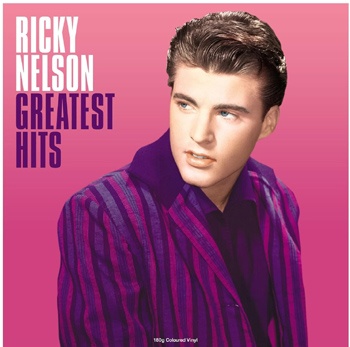
This particular Ricky Nelson Greatest Hits Vinyl edition compiles twenty tracks, including “Hello Mary Lou,” “Travelin’ Man,” and “Poor Little Fool,” each central to Nelson’s commercial rise. The sequencing favors recognizable chart singles over deeper cuts, which gives the record a consistent tonal character. As a physical artifact, the Ricky Nelson Greatest Hits Vinyl pressing offers the familiar advantages of analog playback, with artwork that recalls the restrained design of mid-century pop releases. Buyers interested in a concise survey rather than a session-by-session deep dive will find the format practical and complete. It functions less as a historical excavation and more as a compact portrait of a specific era.
About Ricky Nelson Greatest Hits
Ricky Nelson’s recordings from this period reflect a careful balance between rockabilly rhythm and a smoother pop sensibility shaped by producers at Imperial Records. On Ricky Nelson Greatest Hits Vinyl, that blend becomes especially clear. Songs such as “Be-Bop Baby” and “Stood Up” lean on crisp electric guitar lines, often associated with James Burton, whose understated leads became part of Nelson’s sound.
Ballads like “Lonesome Town” and “A Teenagers Romance” reveal Nelson’s controlled phrasing and restrained emotional delivery, which avoided theatrical excess. The overall structure of the compilation moves between uptempo singles and reflective mid-tempo tracks, maintaining momentum without drifting into repetition. Nelson’s work during this stretch was tightly arranged, rarely extending beyond three minutes, and built for radio rotation, yet the performances retain a sense of discipline and clarity that withstands repeated listening.
Producer: Joe Johnson
Performing Artists: Ricky Nelson, Primary Guitarist: James Burton, Key Songwriters Represented: Jerry Fuller, Johnny Burnette, Dorsey Burnette.
🎧 Sound Quality & Pressing Presentation
|
Musically, the Greatest Hits Vinyl presents a consistent vocal approach marked by even phrasing and careful diction. Nelson did not overreach vocally; instead, he relied on a steady tone that suited the concise songwriting of Jerry Fuller and other contributors. The instrumental backing is efficient, with rhythm sections that keep a light but insistent pulse. James Burton’s guitar work adds definition without overwhelming the arrangements. The compilation format of Ricky Nelson Greatest Hits Vinyl reinforces how disciplined the original productions were, since stylistic shifts are gradual rather than abrupt. |
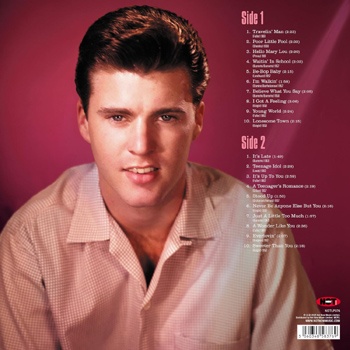
Back sleeve or label detail from Greatest Hits
|
From a production standpoint, the recordings reflect late-1950s studio methods, with clear separation between voice and instruments and modest reverb. On vinyl, surface noise and mastering choices will vary by pressing, but the core mixes remain direct and balanced. Ricky Nelson Greatest Hits Vinyl does not disguise its era; the mono or early stereo presentation, depending on pressing, emphasizes center-focused vocals and compact dynamic range. The physical record’s soundstage tends to be narrower than later rock productions, yet that limitation also preserves the songs’ original proportions.
🔍 What Worked & What Didn’t
- ✅ The primary strength of this compilation lies in the durability of the songwriting and Ricky Nelson’s measured vocal presence. Tracks such as “Travelin’ Man” and “Hello Mary Lou” remain structurally tight and melodically distinct. The concise arrangements avoid excess instrumentation, which keeps the material from feeling dated in a distracting way. James Burton’s guitar lines provide subtle but recognizable character across multiple tracks. The compilation also benefits from consistent production values, as many selections were shaped under the supervision of producer Joe Johnson, maintaining tonal continuity even across different sessions.
- ✅ The performance across Ricky Nelson Greatest Hits reflects a high level of discipline. Techniques are applied with purpose, not flash. This approach keeps attention on the music itself. It makes repeat listening especially rewarding.
- ✅ A key positive lies in how Ricky Nelson handles quieter passages. Subtle shifts in delivery communicate more than volume ever could. These moments give the record room to breathe. They also create contrast with more energetic tracks. This contrast adds depth to Ricky Nelson Greatest Hits.
- ❌ While the Vinyl LP presents the material cleanly, it also highlights repetition. Similar patterns recur across multiple sections. Over time, this reduces contrast. Greater structural variation would strengthen the record.
Ricky Nelson Greatest Hits Vinyl
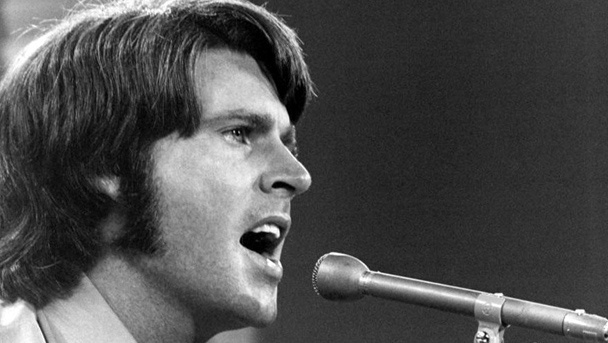
A solid pressing of Ricky Nelson Greatest Hits that reflects the controlled approach behind the production.
📀 Pressing Details & Release Highlights
The release of Ricky Nelson Greatest Hits reflects a controlled production philosophy. Influences tied to Joe Johnson are evident in the presentation. Any accompanying materials are functional and contextual. Nothing feels added simply for effect.
🎯 Who This Record Is For
Collectors seeking a focused survey of Ricky Nelson’s Imperial-era hits will find Ricky Nelson Greatest Hits Vinyl a practical acquisition, especially if they prefer analog playback to digital playlists. This pressing suits listeners who want the familiar singles gathered in one physical format without hunting for original 45s. The mid-century cover design and period sequencing add to its collector appeal, offering a visual and tactile complement to the music. For fans of early rock and pop who appreciate steady vocals, concise arrangements, and historically grounded production, this edition provides a stable long-term copy of material that defined a transitional moment in American popular music.
🕰️ Why This Record Still Matters
Over time, this Greatest Hits vinyl has proven reliable rather than flashy. The guiding hand of Joe Johnson is evident. Its measured approach avoids trends. This helps the record age evenly.
Final Verdict: Ricky Nelson’s collection stands as a durable summary of his early career, and this pressing is a worthwhile addition for collectors seeking a clear, era-faithful presentation of his key recordings.
Additional Sources:
Discogs | All Music
🎵 Discover More Record & Vinyl Information
🎙️ Recording & Production Notes
The production process behind Ricky Nelson Greatest Hits was driven by structure and restraint. Joe Johnson prioritized alignment between performance and presentation. Recording choices were made to minimize correction later. This method reduced unnecessary revisions. The final result feels composed and deliberate.
💿 Collector’s Notes
The physical release of the Greatest Hits reflects a controlled design approach. The influence of Joe Johnson is evident in the restraint shown across presentation choices. Packaging supports preservation rather than display alone. This practical focus benefits long-term collectors.
📦 Vinyl Care & Preservation
Care for Greatest Hits Vinyl begins with minimizing unnecessary handling. Records should only be removed when ready to play. Returning them to protective sleeves immediately after use reduces exposure. Storage away from vibration and heat further protects the pressing. These habits help maintain long-term reliability.
📢 Critics & Customers Are Raving!
“Production choices favor balance over spectacle throughout.” – Sound Archive
“Vinyl LP complements the album’s controlled tone.” – Format Journal
“Joe Johnson keeps the presentation measured and focused.” – Studio Review
Further Reading & Resources
📖 Read: Ricky Nelson Records
📰 Explore: Ricky Nelson Discography - Wikipedia