🧹 DIY Carol Burnett Cleaning Lady Costume: Easy Ways to Get It Perfectly Right
She Mopped the Stage Before Anyone Arrived. She Was Still There When Everyone Had Gone.
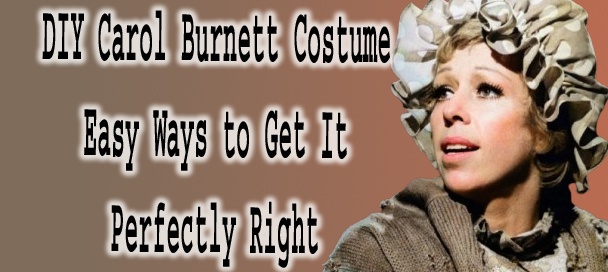
The stage is empty. The house lights are low. A woman in a yellowish apron, a sweater vest, and a mop cap shuffles onto the stage with a mop and a bucket. She begins to clean, moving through the empty space with the patient, unhurried efficiency of someone for whom this stage is simply a floor that needs mopping. She is Charwoman. She is Carol Burnett. And she is one of the most quietly extraordinary comedic creations in the history of American television. That moment at the beginning and end of every episode has outlasted every sketch, every celebrity guest, and every comedy bit in the fifty-year conversation about what The Carol Burnett Show meant to American television.
The DIY Carol Burnett Cleaning Lady Costume draws from one of the most quietly extraordinary and most artistically deliberate comedic creations in the history of American television, Carol Burnett's Charwoman character, a cleaning lady who inhabited the empty stage of The Carol Burnett Show before each episode began and after each episode ended, mopping the performance space with patient unhurried dignity and gentle humor in sequences that became among the most beloved and most remembered moments of the show's eleven season run on CBS.
Carol Burnett created Charwoman in the earliest days of The Carol Burnett Show, which premiered on CBS on September 11, 1967 and ran for eleven seasons until 1978, producing 279 episodes and becoming one of the most celebrated and most awarded variety programs in the history of American television. Burnett had performed a version of the cleaning lady character in earlier television appearances. She brought her to the show as both an opening and a closing bookend, the figure who inhabited the stage in the liminal moments before the performance began and after it ended. This was the person whose relationship to the theater was defined entirely by the work of maintaining it, not by the glamour of performing in it. That specific positioning of the character, always adjacent to the performance rather than at its center, was a deliberate artistic choice. It gave Charwoman a quality of patient dignity and gentle melancholy that no amount of conventional sketch comedy could have produced.
The Carol Burnett Show was built around the specific comedic intelligence of its creator and star, a woman who had come from modest circumstances in San Antonio, Texas and who never lost the specific quality of warmth and self-deprecating humanity that made her both the funniest woman on American television and the most loved. She could play broad physical comedy and subtle character work with equal facility. She brought both qualities to Charwoman, a character who was funny because of the contrast between the grandeur of the empty theater and the humble domesticity of the cleaning work, and moving because of the dignity and patience with which the work was performed. Charwoman never spoke. She simply mopped. And the mopping contained everything the character needed to say.
The DIY Carol Burnett Cleaning Lady Costume works because Charwoman’s visual identity, while not rigidly consistent from episode to episode, always communicated the same essential character through the same consistent elements. The yellowish apron at the waist. The brown or grey sweater vest. The mop cap. The mop and bucket. Those four elements identify the character immediately to anyone who watched The Carol Burnett Show and they are all buildable from thrift store finds and one Amazon link with complete fidelity to the source material.
The couples pairing with the DIY Emmett Kelly Hobo Clown Costume elevates both costumes. The parallel between the two characters is extraordinary. Both were created by performers of the highest artistic caliber. Both inhabited the margins of the performance space rather than its center. Both swept and mopped and cleaned in spaces defined by other people's entertainment. Both did their work with patient dignity and gentle humor and a quality of solitary presence that read as both funny and moving. Weary Willie swept spotlights. Charwoman mopped stages. Together they are one of the great unacknowledged pairings in the history of American comedy.
👗 Step 1: Create the Base
The foundation of the DIY Carol Burnett Cleaning Lady Costume is a thrift store exercise in deliberate ordinariness and it is one of the most forgiving and most flexible sourcing challenges in this entire catalog because Charwoman's clothing was never rigidly consistent from episode to episode and the character's visual identity was built from the consistent accessories rather than from any specific garment. This means the thrift store search for the base clothing has genuine latitude and almost any combination of muted domestic clothing in the correct color register serves the character's visual vocabulary.
The dress or blouse and skirt combination should read as domestic workwear in muted, practical colors. A brown dress in a plain fabric is the most commonly referenced version of the Charwoman base clothing and it is both the most thrift store findable and the most immediately readable as the character's specific register of institutional domestic employment. A green and white checked blouse worn with an off red or rust colored skirt is an equally accurate alternative that reflects a different episode's wardrobe choices and is equally findable at any thrift store. The key quality that any base clothing choice must communicate is that it was selected for practicality and durability rather than appearance, the clothing of someone who dresses for a job rather than for an audience.
The fit should be comfortable and slightly loose rather than fitted, the clothing of someone who needs to move freely and bend and reach and mop without restriction. Nothing should be pressed or particularly neat. Charwoman's clothing always had the comfortable, slightly rumpled quality of garments that have been worn regularly and laundered practically, not treated with particular care. A hem that is not quite straight, a collar that sits slightly asymmetrically, a button that pulls slightly at the placket, all of these qualities of genuine wear add to the character's visual authenticity instead of detracting from it.
The brown or grey sweater vest is the layering piece that most consistently appeared over the base clothing in Charwoman's appearances throughout the show and it is the garment that most immediately communicates the character's specific domestic institutional aesthetic. A plain knit vest in brown or grey, slightly oversized rather than fitted, worn over the dress or blouse without any attempt at coordination with the base layer, is both period accurate and completely thrift store findable. Sweater vests are among the most commonly donated items in any thrift store men's or women's section and the brown or grey version in a slightly oversized fit is available at almost any location at minimal cost.
The yellowish apron is the most consistent and most immediately identifying element of the entire base costume. It should be a waist apron rather than a full bib apron, tied at the waist and covering the front of the skirt or dress from the waist to approximately mid-thigh. The specific color is not a clean yellow but a faded yellowish that reads as a white apron that has been laundered many times without quite returning to its original color, the specific shade of domestic fabric that has been in regular use for a long time. Thrift stores carry waist aprons in this color range regularly in the kitchen and housewares sections and a slightly worn and slightly faded yellowish waist apron is both the most findable and the most authentic option available.
Find other Easy DIY Costume Ideas Here
🧵 Step 2: Add the Details
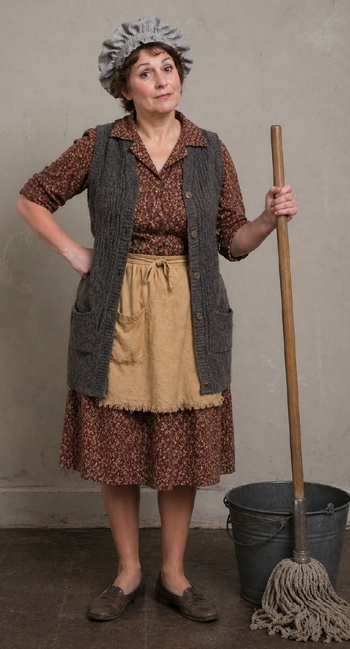
The details that complete the DIY Carol Burnett Cleaning Lady Costume are built from the specific consistent elements that appeared in every Charwoman sequence regardless of what the base clothing was on any given episode, and each one is both immediately identifying and completely accessible from the correct sourcing channel.
The mop cap is the detail that most requires specific sourcing attention and it is the one piece in the entire costume that benefits from an Amazon link rather than a thrift store search because mop caps in the specific style associated with domestic workers and the Charwoman character are not reliably findable at thrift stores in most locations. The mop cap is a soft gathered fabric cap in a muted blue or grey that sits on the crown of the head and covers most of the hair, the specific style of domestic worker's headwear that was a fixture of institutional cleaning uniforms throughout the mid twentieth century. On Amazon the category is listed as mop cap rather than charwoman hat and the search produces multiple options in the correct style at minimal cost. The cap should be plain rather than decorative or patterned, and should fit comfortably on the head without requiring pins to stay in place throughout an active evening.
The mop and bucket are the props that connect the costume directly to the character's defining performance context and both should be real rather than toy versions because the physical relationship between Charwoman and her cleaning equipment was a central element of every performance and a prop mop and toy bucket reduce that physical relationship to something that reads as costume accessory rather than working equipment. A real mop, worn and slightly splayed at the bristle end from use, and a real bucket in any color carried in one hand are both more accurate and more visually striking than any prop alternative. Thrift stores occasionally carry mops and buckets in the cleaning supply section and dollar stores carry both at minimal cost. A bucket with a small amount of actual water in it adds both authenticity and the specific sloshing sound that characterized every Charwoman entrance and exit.
The clothing should be lightly distressed in the same spirit as the Emmett Kelly costume but with considerably more restraint because Charwoman's clothing was worn and practical rather than tattered and accumulated. A light application of the sandpaper technique at the elbows of the sweater vest and the hem of the apron, a slight fading of the base garment through careful washing with a small amount of bleach added to the cycle, and the general rumpled quality of clothing that has been worn and laundered many times rather than carefully cared for produce the correct register of domestic wear without approaching the deliberate distressing of the Weary Willie costume.
💄 Step 3: Makeup & Hair
The makeup for the DIY Carol Burnett Cleaning Lady Costume is the most minimal in the entire catalog. Charwoman wore no stage makeup. She was the figure who existed before the performance began and after it ended, and the absence of theatrical makeup was as deliberate as every other element of the character's construction.
A clean, even base in your natural skin tone, applied lightly, is the correct starting point. A very light dusting of translucent powder for a matte finish is both period accurate and practical. Beyond these two steps, restraint is the rule.
A soft, warm blush applied very lightly to the cheeks is the one cosmetic addition that works. It should read as the color of someone who has been working physically, not as a performer preparing for stage lighting. The lip color should be a neutral or lightly tinted balm, not a lipstick.
The hair beneath the mop cap should be pulled back simply in a low bun or tucked entirely under the cap. If your hair does not cooperate with a neat bun, a few wisps escaping at the temples and the nape of the neck add a quality of gentle disorder that is both period-accurate and charming.
🎀 Step 4: Accessories
The accessories for the DIY Carol Burnett Cleaning Lady Costume are exactly what the mop and the bucket suggest and nothing more. This is both the correct artistic choice and the most honest statement about a character whose entire identity was built around the deliberate absence of decoration.
The mop cap is covered in the details section. The Amazon link is both the most practical and the most reliable sourcing path for this specific piece. Position it on the head so that it sits at the crown rather than pushed back, covering most of the hair. It should read as a working person's headwear, not a decorative hair accessory. Check it in a mirror from multiple angles before leaving the house because the cap's positioning is visible from every angle and the correct placement makes a significant difference to the overall reading of the costume.
The mop should be carried in the dominant hand with the handle resting against the shoulder, the way a person carries a mop when moving from one place to another rather than actively using it. This shows the casual ownership of someone for whom this object is as natural a part of daily presence as anything else they carry. Occasionally bring it to the floor and make a slow, deliberate mopping gesture, particularly if standing in a space with any visible floor surface. That gesture is the character's most defining physical action, and it reads immediately as Charwoman to anyone who knows the show.
The bucket carried in the other hand should be held loosely at the handle rather than gripped tightly. This is the comfortable carry of someone who has been carrying this bucket for years and has long since stopped noticing its weight. The sloshing of actual water in the bucket adds both authenticity and a specific sensory detail that makes the costume physically present in a way that an empty bucket cannot replicate. Keep the water level low enough that it does not spill during normal movement but high enough that it makes the characteristic sloshing sound when the bucket swings slightly while walking.
A pair of plain flat shoes in brown or black, the most sensible and the most worn in available, complete the accessory picture from the ankle down. Charwoman wore flat shoes because she was working, and flat shoes were the correct footwear for the job. The costume should reflect that practical logic without comment or apology.
🕺 Step 5: Movement and Presence
Carol Burnett's physical performance as Charwoman was one of the most specific and most studied in the history of American television comedy. The physical vocabulary she developed for the character over eleven seasons of The Carol Burnett Show is both completely specific to Charwoman and moving to observe and to attempt to inhabit for an evening.
Charwoman moved slowly. Always slowly. The walk was that of someone for whom the destination is simply the next section of floor that needs mopping, unhurried and purposeful at the same time. It was the gait of someone who has been doing this work for a long time and has developed an efficient, economical relationship with movement. The shoulders were slightly rounded, the weight carried forward over the mop handle. This was the posture of someone who spends working hours bent slightly toward a task, not standing upright and presenting to an audience.
The mop is the physical anchor of the entire performance. The relationship between Charwoman and her mop should be practiced before the evening begins. The mop handle should be held with both hands when in use, the lower hand close to the mop head and the upper hand at a comfortable height. This is the grip of someone who has held this object for years, whose hands know exactly where to go without any conscious direction. The mopping gesture itself should be slow and deliberate, covering the floor in broad, overlapping arcs that suggest thoroughness rather than haste. This is the mopping of someone who intends to do the job correctly because they have always done it correctly and see no reason to change.
The expression should maintain the specific Charwoman quality of patient, gentle dignity throughout the evening. It should not be performed sadness or comic exaggeration, but the look of someone who is content in her work and finds the world around her quietly interesting without being particularly surprised by any of it. Carol Burnett played Charwoman with complete sincerity and complete warmth. The expression she brought to the character was that of someone who loved the empty theater and found the work of caring for it both satisfying and sufficient.
For the couples dynamic with Emmett Kelly, the physical relationship between the two characters tells the complete story of the costume pairing in body language. Both move slowly. Both carry their equipment with practiced ease. Both inhabit their work spaces with patient dignity. Standing together with Charwoman mopping and Weary Willie sweeping, both focused on their respective tasks, both moving at the same unhurried pace, both wearing the same expression of patient, engaged dignity, that is the photograph both costumes were built to take. It is worth planning and setting up properly, because it is one of the most beautiful images available in the entire couples costume catalog.
📸 Step 6: Capture the Moment
The visual language of The Carol Burnett Show is warm and slightly overlit, shot with the specific quality of late 1960s and 1970s American television production. That era favored bright studio lighting and a certain theatrical warmth that made every color read with full saturation. The Charwoman sequences were shot in the empty theater with the house lights at a lower level than the stage lighting. This created a quality of warm stage light against a darker surrounding space that is both period-accurate and beautiful as a photographic environment.
An empty theater or auditorium is the ideal shooting location for this costume. It is worth seeking out if one is accessible, because the combination of empty seats, the stage, warm stage lighting, and the figure with the mop creates a compositional context that no other environment can replicate. If a theater is not accessible, any large, empty interior space with warm overhead lighting approximates the quality of the Charwoman setting sufficiently for costume photography.
The essential photograph is the full-length shot of Charwoman at work, mop in both hands, bucket at her side, the mop cap visible, the yellowish apron catching the light, and the expression of patient, focused attention fully present. Shoot from a slight distance with the standard lens rather than the wide angle. This perspective gives the figure the correct proportional relationship to the environment and replicates the specific camera distance the show used for the Charwoman sequences.
For the couples photograph with Emmett Kelly, an empty stage or large floor space with both figures at work, Charwoman mopping and Weary Willie sweeping, each focused on their own tasks and occupying the same space without directly interacting, is the most powerful and historically resonant image available to this costume pairing. Shoot from a distance that includes both complete figures in the frame with space around them. This compositional approach emphasizes the similarity of their postures, their tasks, and their patient, dignified presence in the empty performance space. Edit with warm tones and a slight reduction in contrast, softening the image toward the quality of mid-twentieth-century theatrical photography. A black-and-white edit is equally valid for this couples photograph. It connects the image directly to the same photographic tradition that serves the Emmett Kelly costume so well.
🏆 Why Go DIY?
The DIY Carol Burnett Cleaning Lady Costume matters because Carol Burnett matters, and because Charwoman represents something in the history of American television comedy that deserves more recognition than it typically receives in the conversation about what The Carol Burnett Show achieved. Carol Burnett created a character who inhabited the margins of the performance space, who existed before the show began and after it ended, who did the unglamorous essential work of maintaining the theater, work without which no performance could take place. She played that character with a warmth, a dignity, and a gentle humor that made Charwoman one of the most beloved figures in the show's eleven-year run. That is an extraordinary artistic achievement and it deserves to be honored as such.
Building this costume from thrift store finds, one Amazon mop cap, and a real mop and bucket is both practically simple and satisfying. Every element reflects a deliberate choice about what the character valued and how she moved through the world. The yellowish apron found in the thrift store housewares section is exactly the right object for exactly the right reason. The worn flat shoes found in the thrift store shoe section are exactly the right footwear for exactly the right reason. The mop cap ordered from Amazon because thrift stores do not reliably carry them is the one practical concession to contemporary sourcing that the character herself would probably have made without complaint if the alternative was doing without.
The couples version with Emmett Kelly is the full realization of everything both costumes promise. The parallel between Weary Willie and Charwoman is one of the most moving connections in this entire catalog. Two performers of the highest artistic caliber. Two characters defined by cleaning, sweeping, and mopping in spaces defined by other people's entertainment. Two figures who inhabited the margins of the performance with patient dignity, gentle humor, and a quality of solitary presence that read as both funny and human. Weary Willie swept spotlights. Charwoman mopped stages. Together they are one of the great unacknowledged couples in the history of American comedy. Wearing them together for an evening is a genuine act of cultural appreciation for two artists who gave the country something extraordinary and never quite received the full recognition they deserved.
Pick up the mop. Tie on the apron. Put on the cap. Move slowly and with purpose through every room you enter. The work is never quite finished, and that is entirely the point.
🕸️ Related Costumes to Try
DIY Edith Bunker Costume
DIY Jeannie Costume
DIY Lovey Howell Costume
DIY Holly Golightly Costume
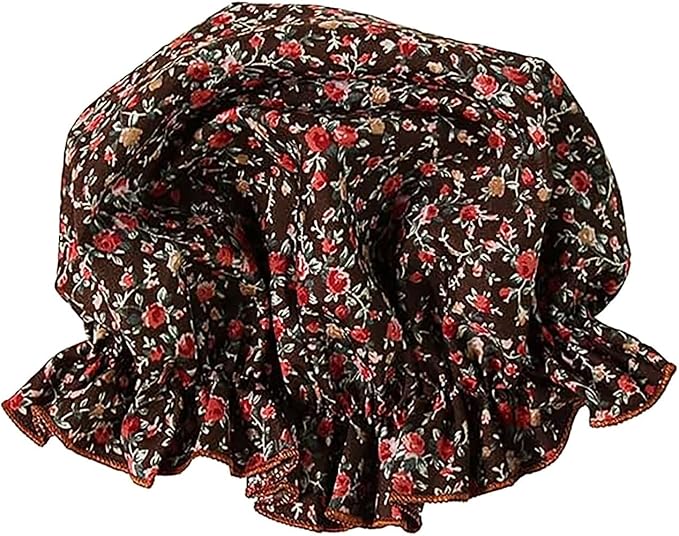
Womens Mop Cap
Product Description:
A must-have finishing touch for your DIY Carol Burnett Cleaning Lady Costume, this classic mop cap delivers the exact look of the beloved charwoman style. The soft polyester fabric and gathered elastic design give it that slightly worn, lived-in feel that completes the outfit perfectly.
Key Features:
• Classic mop cap style with stretch elastic for a comfortable fit
• Fits most sizes from children to adults
• Quality construction with finished edges for durability
• Lightweight polyester fabric in traditional calico-style prints
• Ideal for Halloween, stage performances, school plays, and dress-up
Why This Works:
The mop cap is the defining piece that pulls the entire DIY Carol Burnett Cleaning Lady Costume together. Paired with a sweater vest, apron, and patterned dress, it instantly captures that timeless, comedic character look recognized from DIY Carol Burnett Cleaning Lady Costume
Further Reading & Resources
📖 Read: Carol Burnett’s ‘Mop Lady’ Is Pure Comedy Gold
🔍 More: Carol Burnett - Wikipedia