The Other 1972 Movie Horror With a Rotten Heart
My Rating: ⭐ ⭐ ⭐ ⭐ ☆ 4.3 / 5
Twentieth Century Fox released The Other in theaters on May 26, 1972, pairing Robert Mulligan's direction with a modest 2.25 million dollar production budget. The film went on to earn roughly 3.5 million dollars at the domestic box office, a respectable if unspectacular return for its era. It carried a PG rating that feels almost surprising in hindsight, given some of the material it contains.
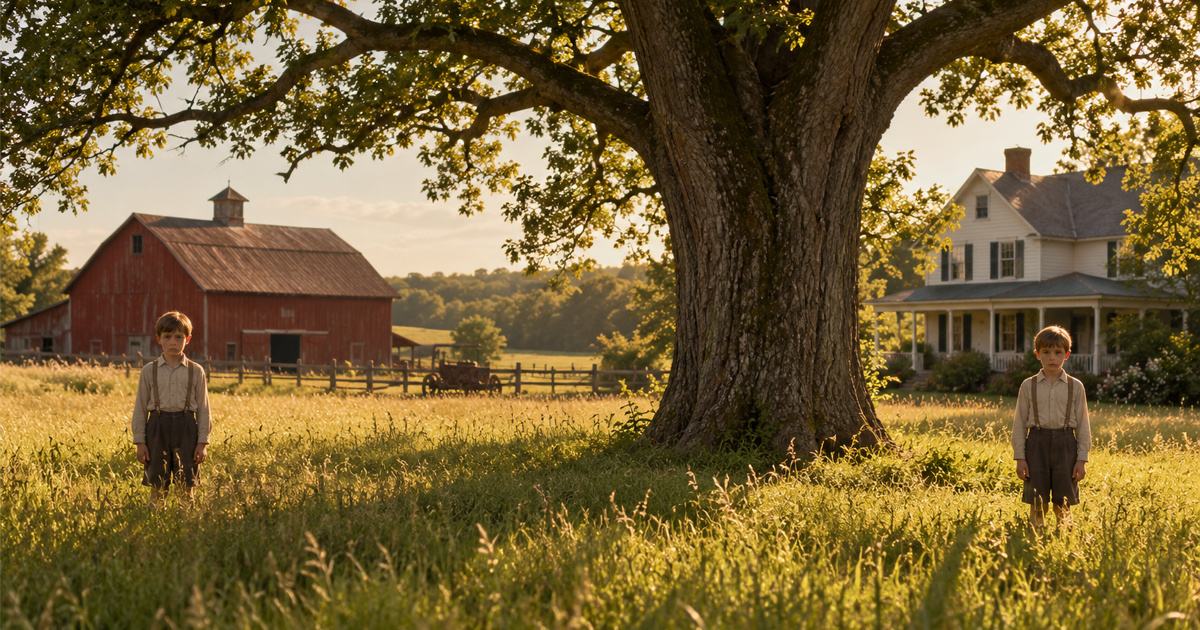
The Other 1972 movie remains one of the most quietly unsettling horror films of its decade. That decade was otherwise packed with far louder, much gorier competition on movie screens nationwide. Built on golden sunlight, a picturesque Connecticut farm, and a pair of young twins, the film hides genuine menace behind an almost impossibly warm surface. This look at The Other 1972 movie covers its setting, its slow craft, and its lasting appeal. It also covers the reputation it has earned as one of the more overlooked American Gothic films of the 1970s.
Summer on an American Farm in 1935
The story opens in the summer of 1935 on a family farm in rural, quiet Connecticut. The film spends real time simply letting that world exist before anything sinister creeps in. Golden fields, a working farmhouse, and a close knit extended family fill the early scenes with a nostalgic, almost storybook quality throughout.
Rural Connecticut in the mid 1930s meant hard economic times for most families, even as this particular household appears comparatively comfortable and settled. That backdrop of quiet Depression era hardship is gestured at rather than dwelt upon in the script. It adds another welcome layer of period specific texture to the setting.
That warmth is entirely deliberate. Director Robert Mulligan lingers on ordinary summer activities, chores, games, and quiet family routines. He builds a sense of safety the film will later use against its audience. The more comfortable a viewer becomes inside this world, the harder its eventual turn toward horror lands.
Meet Niles and Holland
At the center of that world are twin brothers Niles and Holland Perry, played by real life identical twins Chris and Martin Udvarnoky. The two spend their whole summer running loose around the farm together. Their closeness feels genuine rather than performed, a rare quality for child actors carrying this much of a film's overall weight.
The Udvarnoky twins were not professional child actors before this role, and that lack of polish works entirely in the film's favor. Their performances feel unrehearsed and childlike. They read like real rural boys rather than the coached, camera ready kids typical of Hollywood productions from this era.
Holland tends toward mischief, while Niles more often finds himself pulled along or left cleaning up afterward. The film establishes this dynamic clearly without rushing toward any larger explanation. The audience simply watches two boys navigate a summer that slowly starts to feel less innocent than it first appeared.
Diana Muldaur plays Alexandra, the twins' mother, a woman worn down by grief following the recent, sudden death of her husband earlier that same year. Her fragile, distracted presence leaves Ada as the more constant authority figure in the boys' daily lives, a dynamic that shapes much of what follows.
The Game Their Grandmother Teaches Them
Their grandmother Ada has taught the twins something she calls simply the game, a mental exercise built around focus and imagination. Exactly what the game accomplishes, and how far its effects actually reach, becomes one of the film's central questions. The film never explains it outright early on.
Ada treats the game as a private bond between herself and her grandsons, something separate from the rest of the family's understanding of the boys. That privacy matters enormously as the summer progresses. The game increasingly seems tied to events unfolding around the farm that no one else can quite explain.
Bad Things Begin Happening Around the Farm
Without spoiling exactly what unfolds, it is fair to say the Perry farm stops feeling safe well before the film's midpoint. A series of accidents strikes the family and the people around them. Each one is shocking in isolation, and each one raises uncomfortable questions about how much of it is truly accidental.
Niles increasingly suspects his brother Holland is somehow responsible. The film withholds enough information to keep both Niles and the audience uncertain about what is actually happening. That uncertainty, sustained patiently across the film's first half, sets up one of the most talked about turns in 1970s horror cinema.
The supporting cast rounds out this rural Connecticut world quite convincingly. It gives the farm a sense of an extended, believable family living and working together. Victor French plays Angelini, a farmhand caught up in the family's growing troubles. Norma Connolly appears as Aunt Vee, part of the wider extended family gathered on the property that summer. A young John Ritter, early in his career, turns up in a small supporting role as well. It is a detail modern viewers often notice only on a second watch.
Horror Hidden Inside a Beautiful Movie
Cinematographer Robert Surtees shot The Other in warm, saturated colors that make the Connecticut countryside look beautiful throughout. Golden light floods nearly every single daytime scene. The farm itself looks like something pulled from a nostalgic postcard rather than a horror film setting.
That beauty is not incidental. The film's horror works specifically because it refuses to look like horror, unfolding instead against imagery most viewers associate with warmth and childhood safety. Mulligan and Surtees understood that unsettling material lands harder inside a lovely frame than a gloomy one. The film commits to that idea completely, rather than reaching for shadow and fog the way many contemporaries did.
A carnival visit earlier in the story becomes one of the film's most memorable sequences. It offers a rare moment of pure, unclouded joy before the summer takes its darker turn. Mulligan lets this sequence breathe fully, another example of the patience that defines his approach throughout the film.
Composer Jerry Goldsmith, already an established name in film scoring by 1972, contributed the score. It leans on gentle, pastoral themes rather than conventional horror stings. That choice mirrors the film's visual approach exactly, using warmth and beauty as the very things that make the story's darker turns land so effectively.
Production designer Albert Brenner built out the farm and its surrounding buildings with close attention to period detail. That grounds the story's fantastical elements in a setting that feels lived in rather than stylized for effect. That authenticity matters enormously here. The film asks its audience to accept some strange events as plausible within an otherwise ordinary rural world it has already earned trust in. Every prop, costume, and farm building had to feel lived in rather than staged. The horror only works if the everyday world around it feels completely real first.
Robert Mulligan Was an Unexpected Horror Director
Robert Mulligan seems, on paper, like an unlikely choice to direct a horror film at all. He was best known at the time for To Kill a Mockingbird, made a decade earlier. He had also just directed Summer of '42, released the year before. Both films trade in exactly the kind of warm, nostalgic Americana that The Other spends its runtime quietly poisoning.
That background turns out to be precisely why the film works as well as it does. Mulligan brings a practiced skill for capturing childhood and small town American life. He applies that same sensitivity to a story that slowly reveals itself as far darker than his earlier, more celebrated work. The contrast between his reputation and this material is part of what makes the film so effective.
Thomas Tryon Adapts His Own Bestseller
The Other began as a 1971 novel by Thomas Tryon. Tryon was a former actor who had appeared in films including The Cardinal before turning to writing fiction. Tryon adapted his own bestselling book for the screen. He also served as an executive producer, giving him unusually direct control over how his story made the transition from page to film.
Tryon would go on to build a career as a novelist specializing in American Gothic fiction. He later wrote Harvest Home, itself adapted into the television movie The Dark Secret of Harvest Home in 1978. The Other remains his most enduring contribution to the horror genre. Its blend of pastoral setting and creeping menace became something of a template for the American Gothic horror that followed.
The Other – Kindle Edition
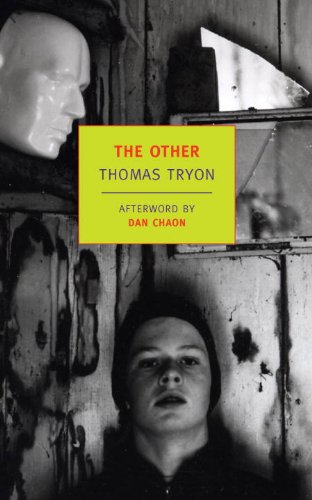
Product Description:
Before The Other became the unsettling 1972 film, it was Thomas Tryon's bestselling psychological horror novel. The story follows identical 13-year-old twins Niles and Holland Perry during a seemingly idyllic summer on their family's New England farm. Niles is gentle and eager to please, while Holland is daring, mischievous, and increasingly disturbing.
As the Perry family struggles with the recent death of the boys' father, Holland's behavior grows darker and the peaceful farm begins to feel anything but safe. What starts as a story of childhood and family gradually becomes an unnerving exploration of identity, guilt, and the possibility that something terrible is hiding beneath an innocent appearance.
Key Features:
• Thomas Tryon's bestselling psychological horror novel
• The original story behind the 1972 film The Other
• Centers on identical twins Niles and Holland Perry
• Set on an isolated family farm in rural New England
• A classic choice for readers who enjoy slow-building psychological and Gothic horror
Why This Works:
If our look at The Other made you curious about the story behind the movie, Thomas Tryon's original novel lets you go directly to the source. The peaceful farm, nearly identical twins, family tragedy, and increasingly sinister events create the same disturbing contrast that makes the film so memorable. Reading the novel also gives you a chance to experience the story as Tryon originally conceived it before it was transformed for the screen.
Buy on Amazon
Uta Hagen as Ada
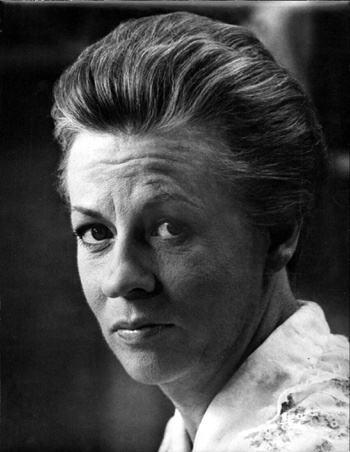
Uta Hagen anchors the film as Ada, the twins' grandmother. It is one of the very few film roles she took across a career built primarily on the stage. Hagen was, and remains, one of the most respected acting teachers in American theater history. She originated the role of Martha in the original Broadway production of Who's Afraid of Virginia Woolf.
That theatrical pedigree shows clearly in her performance here. Hagen plays Ada with a controlled, watchful quality that never tips fully into warmth or menace. Her motivations stay difficult to read across the film's runtime. Her scenes with the twins carry real weight for one specific reason. Hagen refuses to signal too clearly what Ada actually knows or believes about what is happening on the farm.
Why The Other Is Better Without Spoilers
The Other belongs to a small category of films damaged by knowing too much before watching them. Its reputation rests heavily on a specific structural surprise partway through the story, one that reframes everything the audience has seen up to that point.
Plot summaries and casual conversation about the film online tend to give this turn away almost immediately. It is the single detail most often cited when people discuss why the film matters. That is precisely why a first time viewer benefits from avoiding detailed synopses before watching. The same goes for cast breakdowns that describe character relationships too specifically, and online discussion threads.
Even the film's own trailer and poster art from 1972 walked a careful line. They hinted at strangeness on the Perry farm without giving away the specific mechanics of what the twins represent. Contemporary marketing for the film leaned hard on mood and atmosphere rather than plot description. Modern streaming platforms and review aggregators rarely bother to replicate that kind of restraint today.
Films built around a structural surprise like this one depend on the audience experiencing that reveal at the pace the filmmakers intended. Later films borrowed a similar approach to reframing earlier events. Audiences who have seen those more famous examples may anticipate something similar here if they go in with the wrong expectations already primed.
That influence runs in one direction historically. The Other arrived in theaters decades before the films most modern audiences associate with this kind of structural twist. Critics and genre historians have pointed out the similarity here. The Other's central device closely resembles reveals used in several much later, far more widely seen thrillers. Those later films may have drawn direct inspiration from Tryon and Mulligan's work, or simply arrived at a similar structure independently. Either way, the comparison shows how ahead of its time this approach felt in 1972.
The film's final stretch adds one more layer of uncertainty on top of everything that came before it. It revisits its own central reveal in a way several critics have called puzzling rather than simply satisfying. Without spelling out that final turn, it is enough to say this much. The Other does not tie everything into a neat bow the way some later imitators eventually would. That lingering ambiguity has divided viewers for decades. Some find it a frustrating loose end, while others consider it one of the film's more interesting choices. The Other rewards patience and a blank slate far more than it rewards advance research.
Is The Other 1972 Movie Worth Watching?
The Other earns a strong recommendation for horror fans who prefer atmosphere and slow dread over monsters, gore, or constant jump scares. Anyone who responded to the patient, unsettling pace of Lets Scare Jessica to Death will find a great deal to appreciate here. So will fans of classic American Gothic fiction.
The film has drawn comparisons over the years to The Bad Seed. That earlier story is built around a seemingly innocent child harboring something far darker beneath the surface. The Other pushes that basic idea into stranger, more ambiguous territory. It filters the idea through Tryon's particular interest in grief, denial, and the stories families tell to survive genuine tragedy.
Later films working in this same American Gothic mode owe a debt to what Tryon and Mulligan accomplished here first. These are stories that locate real horror inside ordinary rural families, rather than in monsters or supernatural intruders. That combination of pastoral American Gothic imagery and quiet psychological unease has aged remarkably well compared to some of its flashier 1970s contemporaries. Films that leaned heavily on then current special effects or cheap shock value have often dated rather visibly over the decades since. The Other's patient, character driven approach still holds up, since it never depended on tricks that technology would eventually make look quaint.
Kilroy verdict, 4.3/5 this one rewards a patient, attentive viewer far more than one simply looking for loud, conventional horror thrills. Its reputation has faded somewhat compared to louder, more famous horror films released from that same busy decade. The Other still remains a accomplished piece of filmmaking. It demonstrates how much dread a beautiful, sunny summer afternoon can quietly hide underneath it all.
ML Lamp is the owner of Kilroy Was Here. After his 20 years of working in Las Vegas in the entertainment promotions field, Mr. Lamp retired in 2002 from his job to pursue his passion for collectibles. Now as a guest speaker and author he’s living the dream, and sharing his warmth with You.