🎤 Dolly Parton Biography: An Inspiring American Icon
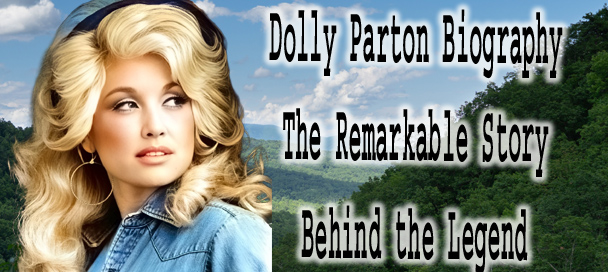
Dolly Parton stands among the most recognizable figures in American popular culture, with a career that has crossed country music, pop, film, television, business, and philanthropy. Her distinctive voice, sharp songwriting, and carefully cultivated public image turned her into something larger than a successful recording artist. She became an American institution whose work has remained familiar across several generations.
Dolly Parton was an American singer, songwriter, actress, businesswoman, and philanthropist whose career spanned more than six decades. She became one of country music's defining artists through songs including "Jolene," "I Will Always Love You," "Coat of Many Colors," and "9 to 5." Her film career included major roles in 9 to 5, The Best Little Whorehouse in Texas, and Steel Magnolias. Beyond entertainment, Parton created Dollywood and founded the Imagination Library, establishing a cultural legacy that extended far beyond music.
Parton's influence on country music is especially significant. As both a performer and songwriter, she helped broaden the audience for the genre while retaining the storytelling traditions at its core. Songs such as "Jolene," "Coat of Many Colors," and "I Will Always Love You" became enduring standards, and her ability to move between humor, heartbreak, faith, romance, and everyday life gave her catalog unusual range. Her success also demonstrated that a female country artist could exercise substantial control over her songs, career, and public identity.
Beyond music, Dolly Parton built a rare kind of cultural longevity. Her exaggerated glamour, quick wit, warmth, and willingness to laugh at her own image made her instantly recognizable without reducing her to a novelty. Film roles, television appearances, business ventures, and charitable work expanded her place in American life, while the songs remained the foundation. Few entertainers have managed to be simultaneously theatrical and sincere for so long, and fewer still have remained widely admired while popular culture changed around them.
Dolly Parton's fame eventually reached a point where even science borrowed her name. When researchers created the first mammal cloned from an adult cell in 1996, they named the sheep Dolly, permanently linking a country music star with one of the most famous scientific experiments of the twentieth century.
👶 Early Life
Summary: Raised in a large family in the Tennessee mountains, Parton developed her musical abilities while young and left for Nashville after high school determined to become a professional songwriter and performer.
Dolly Rebecca Parton was born on January 19, 1946, in Locust Ridge, Tennessee, in the Great Smoky Mountains. She was one of twelve children born to Robert Lee Parton Sr., a farmer and construction worker, and Avie Lee Caroline Owens Parton, who cared for the large family and passed along many of the songs and stories that became part of Dolly's musical foundation. The Partons had little money, and daily life in rural East Tennessee was shaped by hard work, close family ties, and the practical realities of raising twelve children in a small mountain home.
Music was woven into Parton's childhood through family gatherings, traditional mountain songs, and church. Her maternal grandfather, the Rev. Jake Owens, was a Pentecostal preacher, and Dolly began singing publicly in church while still a child. She soon showed an unusual instinct for writing songs as well as performing them. By the age of ten, she was appearing on local radio and television in Knoxville, and at thirteen she recorded the single "Puppy Love" and appeared at the Grand Ole Opry, where she met Johnny Cash.
Her teenage years were divided between school, family responsibilities, songwriting, and an increasingly serious pursuit of music. The poverty she grew up with was real, and Parton later wrote openly about patched clothing, crowded living conditions, and the embarrassment that could accompany having very little. Those experiences became material rather than something she tried to erase from her public identity. After graduating from Sevier County High School in 1964, the eighteen-year-old Dolly Parton left for Nashville, determined to make songwriting and performing her profession.
Explore the Biographies of Iconic Music Stars
🎶 Music Career
Summary: Parton's recording career produced enduring songs including "Jolene," "Coat of Many Colors," "I Will Always Love You," and "9 to 5," while collaborations and crossover success carried her far beyond traditional country music.
When Dolly Parton arrived in Nashville in 1964, she initially found more opportunity as a songwriter than as a recording artist. She signed with Combine Music and wrote material recorded by other performers while trying to establish her own voice in a business that often had firm ideas about what a young female singer should sound like. Her recording contract with Monument Records initially pushed her toward pop music, but country proved to be the home for her voice and writing. The breakthrough came with “Dumb Blonde” (1967), which reached the country charts and helped establish Parton as a performer in her own right.
A major change came when Porter Wagoner invited Parton to join The Porter Wagoner Show (1967). The nationally syndicated television program gave her regular exposure to country audiences, while her recordings with Wagoner created one of the era's most successful country partnerships. Their first major duet, “The Last Thing on My Mind” (1967), reached the country Top 10. Albums including Just Between You and Me (1968) and a succession of hit singles kept Porter Wagoner and Dolly Parton on the charts for years. The pair received the Country Music Association Vocal Group of the Year Award (1968), and their partnership eventually produced the No. 1 duet “Please Don't Stop Loving Me” (1974).
Parton was simultaneously building a separate identity as a solo artist. “Just Because I'm a Woman” (1968) addressed the double standard applied to women in relationships, an unusually direct subject for mainstream country music at the time. “Mule Skinner Blues (Blue Yodel No. 8)” (1970) became a major country hit, followed by her first solo No. 1, “Joshua” (1971). Her songwriting increasingly distinguished her from singers who depended largely on outside material.
One of the defining recordings of this period was “Coat of Many Colors” (1971). Written from Parton's memories of growing up poor, the song turned a simple homemade coat into a story about dignity, family, and the difference between material poverty and personal worth. It became one of the songs most closely identified with her and later received recognition from institutions including the Library of Congress National Recording Registry (2011).
By 1973 and 1974, Parton was producing songs that would permanently alter her standing in American music. “Jolene” (1973) used a spare arrangement and an unusually vulnerable lyric in which the narrator pleads with another woman rather than attacking her. It reached No. 1 on the country chart in 1974 and became one of the most frequently interpreted songs in her catalog. “Jolene” was inducted into the Grammy Hall of Fame (2014) and has been recorded or performed by artists ranging from Olivia Newton-John and The White Stripes to Miley Cyrus and Beyoncé.
During the same period, Parton wrote “I Will Always Love You” (1974) as a farewell to Porter Wagoner as she prepared to leave their professional partnership. Her original recording reached No. 1 on the country chart in 1974. Remarkably, a new recording made for The Best Little Whorehouse in Texas (1982) returned the song to No. 1 on the country chart, making Parton one of the rare songwriters to take different recordings of the same composition to the top.
Parton's departure from Wagoner allowed her to take greater control of her career. Albums such as New Harvest...First Gathering (1977) signaled her intention to reach beyond traditional country boundaries. The transition became unmistakable with Here You Come Again (1977). The title song crossed into the pop market, reached No. 3 on the Billboard Hot 100, and gave Parton her first Grammy Award, winning Best Country Vocal Performance, Female (1979). The Country Music Association named her Female Vocalist of the Year (1975) and Female Vocalist of the Year (1976), followed by its highest individual honor, Entertainer of the Year (1978).
Her crossover success accelerated around the beginning of the 1980s. Parton scored consecutive No. 1 country hits with “Starting Over Again” (1980), “Old Flames Can't Hold a Candle to You” (1980), and “9 to 5” (1980). The last became one of the signature recordings of her career. Written for the film 9 to 5 (1980), the song reached No. 1 on both the country and pop charts. It won Best Country Song and Best Country Vocal Performance, Female at the Grammy Awards (1982) and received an Academy Award nomination for Best Original Song (1981). It also earned a Golden Globe nomination and became a lasting musical statement about working life.
Parton continued to find success through collaborations. Her recording of the Bee Gees composition “Islands in the Stream” (1983) with Kenny Rogers became a No. 1 pop and country hit and one of the best-known duets of the decade. Parton and Rogers remained closely associated through recordings and performances, including “Real Love” (1985) and later reunions.
Another landmark collaboration came with Linda Ronstadt and Emmylou Harris. The three singers had wanted to record together for years before finally releasing Trio (1987). The album reached the upper ranks of both the country and pop charts, went platinum, and won Best Country Performance by a Duo or Group with Vocal at the Grammy Awards (1988). It also won Album of the Year at the Academy of Country Music Awards (1988) and Vocal Event of the Year at the Country Music Association Awards (1988). Trio (1987) was eventually inducted into the Grammy Hall of Fame (2020). The three reunited for Trio II (1999), which produced another Grammy-winning collaboration.
Parton also joined two other giants of country music, Loretta Lynn and Tammy Wynette, for Honky Tonk Angels (1993). Rather than treating younger artists as competition or older performers as relics, Parton repeatedly used collaborations to connect different periods of country music. Her recordings with Willie Nelson, George Jones, Vince Gill, Reba McEntire, Kenny Rogers, Emmylou Harris, Linda Ronstadt, Loretta Lynn, and Tammy Wynette placed her at the center of several generations of country performers.
The enormous reach of Parton's songwriting became even clearer when Whitney Houston recorded “I Will Always Love You” (1992) for The Bodyguard (1992). Houston's interpretation became an international phenomenon and one of the biggest-selling singles of its era. Although Houston's recording differed dramatically from Parton's restrained country originals, its success introduced Parton's composition to an audience far beyond country music. “I Will Always Love You” was later inducted into the Grammy Hall of Fame, confirming the song's place in American recording history.
During the late 1990s and early 2000s, Parton deliberately returned to acoustic and bluegrass-based music. The Grass Is Blue (1999) won the Grammy Award for Best Bluegrass Album (2001). Little Sparrow (2001) continued the approach and included her interpretation of Collective Soul's “Shine,” which won the Grammy Award for Best Female Country Vocal Performance (2002). These albums demonstrated that Parton's commercial crossover years had not separated her from the Appalachian and country traditions that had shaped her music.
Her later recording career remained unusually active. She continued writing, touring, recording new albums, revisiting older songs, and working with younger performers. Her collaboration with Pentatonix on “Jolene” (2016) won the Grammy Award for Best Country Duo/Group Performance (2017). She later shared the Grammy Award for Best Contemporary Christian Music Performance/Song (2020) for “God Only Knows” with for KING & COUNTRY, adding another genre to an awards history already spanning traditional country, mainstream country, bluegrass, pop, and collaborative recordings.
After initially expressing hesitation about being nominated for the Rock and Roll Hall of Fame, Parton was inducted in 2022. She responded by making a full-scale rock album, Rockstar (2023). The project brought together an extraordinary roster that included Paul McCartney, Ringo Starr, Elton John, Stevie Nicks, Sting, Peter Frampton, John Fogerty, Joan Jett, Debbie Harry, Rob Halford, Ann Wilson, Pat Benatar, Melissa Etheridge, Sheryl Crow, P!nk, Brandi Carlile, Miley Cyrus, and Lizzo. Rather than simply accepting induction into another musical institution, Parton used it as a reason to explore a genre she had never previously made the center of an album.
Across her recording career, Parton accumulated one of the largest bodies of work associated with a major American songwriter, writing thousands of songs and placing dozens of singles on the country charts.
The statistics only partly explain her musical importance. Parton succeeded as a country singer, pop crossover performer, duet partner, bluegrass artist, rock performer, and, above all, songwriter. “Coat of Many Colors,” “Jolene,” “I Will Always Love You,” “Here You Come Again,” “9 to 5,” and “Islands in the Stream” belong to different moments and styles, yet all became part of the broader American songbook. Her ability to write plainly about jealousy, work, poverty, love, departure, faith, and self-respect gave the songs a life well beyond the records on which they first appeared.
Explore the Biographies of Iconic Celebrities
Dolly Parton once entered a Dolly Parton look-alike contest without identifying herself and lost. She later joked that she had exaggerated her own appearance for the competition and received very little attention from the judges.
🎬 Film and TV Career
Summary: Parton successfully crossed into acting with 9 to 5 and later appeared in The Best Little Whorehouse in Texas, Steel Magnolias, television productions, variety programs, and numerous guest appearances.
By the end of the 1970s, Dolly Parton was already one of country music's most recognizable performers, but 9 to 5 (1980) established her as a film star. Making her feature-film acting debut opposite Jane Fonda and Lily Tomlin, Parton played Doralee Rhodes, a secretary dealing with the unwanted attention of her dishonest and overbearing boss, Franklin Hart Jr., played by Dabney Coleman. Parton's comic timing and natural screen presence surprised critics who had expected a singer simply trying her hand at acting. The film became a major commercial success and developed into an enduring workplace comedy.
Parton also wrote and performed the title song, “9 to 5” (1980), creating an unusually strong connection between the movie and its newest star. Her performance brought her Golden Globe nominations for New Star of the Year and Best Actress in a Motion Picture – Musical or Comedy, while the song received an Academy Award nomination for Best Original Song. The picture gave Parton something her recording career alone could not provide: immediate recognition among movie audiences who had little connection to country music.
Her next major film was The Best Little Whorehouse in Texas (1982), based on the successful Broadway musical. Parton starred as Mona Stangley, proprietor of the Chicken Ranch, opposite Burt Reynolds as Sheriff Ed Earl Dodd. The cast also included Dom DeLuise, Charles Durning, Jim Nabors, and Lois Nettleton. The film combined comedy, romance, and musical performance, giving Parton a role much closer to her established stage personality. Her performance earned another Golden Globe nomination for Best Actress in a Motion Picture – Musical or Comedy.
The Best Little Whorehouse in Texas (1982) also returned “I Will Always Love You” to prominence. Parton recorded a new version of the song for the film, and it again reached No. 1 on the country chart. Charles Durning, meanwhile, received an Academy Award nomination for Best Supporting Actor for his performance as the Governor of Texas, particularly remembered for the musical number “The Sidestep.”
Parton moved into a different kind of screen comedy with Rhinestone (1984), starring opposite Sylvester Stallone. She played country singer Jake Farris, who accepts a wager that she can transform an unlikely New York cab driver into a convincing country performer. The movie was poorly received and failed to match the success of her first two films, but it became one of the stranger pairings in both stars' careers. Parton later spoke about the experience with characteristic humor, and the film developed a modest cult following despite its original reception.
She returned to a stronger dramatic-comedy ensemble with Steel Magnolias (1989). Based on Robert Harling's play, the film brought together Sally Field, Shirley MacLaine, Olympia Dukakis, Daryl Hannah, Julia Roberts, and Parton as beauty shop owner Truvy Jones. Directed by Herbert Ross, the picture became one of the most enduring films associated with Parton's acting career. Her salon provides much of the setting in which the characters trade gossip, insults, advice, and support, allowing Parton's warmth and comic delivery to fit naturally within the ensemble.
Steel Magnolias (1989) also demonstrated that Parton did not need to play a version of herself to hold an audience. Surrounded by established dramatic actresses, she played Truvy without trying to dominate the picture. Julia Roberts received an Academy Award nomination for Best Supporting Actress and won a Golden Globe for her performance, while the film itself became a lasting fixture of American popular culture.
Parton returned to feature comedy with Straight Talk (1992) opposite James Woods. She played Shirlee Kenyon, a woman who is accidentally mistaken for a radio psychologist and becomes a popular on-air advice personality. The premise gave Parton room to use the conversational warmth and quick humor already familiar from her public appearances. Although the movie did not achieve the cultural staying power of 9 to 5 (1980) or Steel Magnolias (1989), it further established that her screen appeal depended heavily on personality rather than conventional acting technique.
Parton's connection with film also continued through songwriting. She wrote “Travelin' Thru” (2005) for Transamerica (2005), starring Felicity Huffman. The song earned Parton her second Academy Award nomination for Best Original Song, twenty-five years after “9 to 5” received her first.
Television had been important to Parton long before her movie career. Her years on The Porter Wagoner Show (1967–1974) made her a familiar face in American homes and taught her how to work directly to a camera. She later hosted her own syndicated variety program, Dolly! (1976–1977), which combined music, comedy, and guest appearances. A second variety series, Dolly (1987–1988), brought her to prime-time television on ABC with an ambitious format built around elaborate musical productions and celebrity guests.
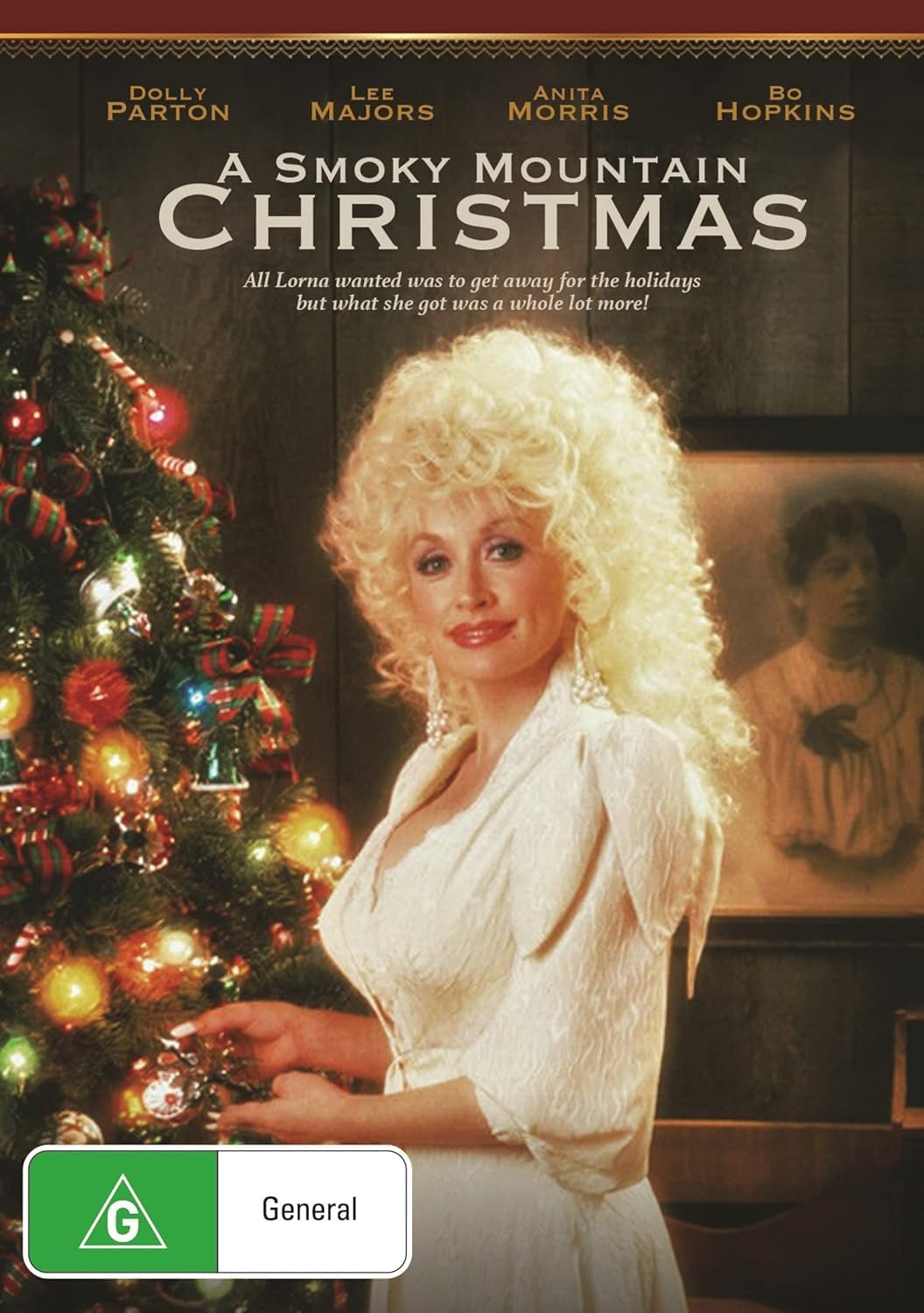
Parton's television work increasingly included dramatic movies and specials. In A Smoky Mountain Christmas (1986), she starred with Lee Majors as country singer Lorna Davis, who retreats to a cabin in Tennessee and encounters a group of children living without their parents. The holiday film became a seasonal favorite among Parton's audience and reflected her growing ability to build screen projects around the Appalachian imagery closely associated with her public identity.
She took on a more serious role in Wild Texas Wind (1991), a television drama she developed with Gary Busey. Parton played Thiola Rayfield, a singer trapped in an abusive relationship, in a story considerably darker than most of her screen work. The production showed her willingness to move outside the comic and musical roles audiences generally expected from her.
One of Parton's most unusual television appearances came in The Magic School Bus (1994), when she provided the voice of Katrina Eloise “Murph” Murphy, a relative of Ms. Frizzle, in the episode “The Family Holiday Special.” It was one of several occasions when her distinctive voice and recognizable personality allowed her to appear in children's entertainment without needing to play herself.
Parton also made memorable guest appearances as herself or heightened versions of herself. She appeared on programs including Designing Women (1990), Reba (2005), and Hannah Montana (2006–2010). Her recurring appearances on Hannah Montana had particular significance because the show's star, Miley Cyrus, is Parton's real-life goddaughter. Parton played Aunt Dolly, allowing the series to make playful use of their genuine relationship.
Her screen work also became closely tied to stories drawn from her own songs and family history. The television movie Dolly Parton's Coat of Many Colors (2015) dramatized events associated with the childhood story behind her famous song. Alyvia Alyn Lind portrayed young Dolly, Jennifer Nettles played Avie Lee Parton, and Ricky Schroder played Robert Lee Parton. Parton appeared as herself as part of the presentation rather than portraying her younger self.
The success of that film led to Dolly Parton's Christmas of Many Colors: Circle of Love (2016), which reunited much of the cast and continued the portrayal of the Parton family. The production received an Emmy Award nomination for Outstanding Television Movie, adding another form of industry recognition to Parton's long screen career.
Parton later served as the central creative presence behind Dolly Parton's Heartstrings (2019), an anthology series in which individual episodes were inspired by her songs. Stories based on “Jolene,” “Two Doors Down,” “If I Had Wings,” “Cracker Jack,” “Down from Dover,” “Sugar Hill,” “J.J. Sneed,” and “These Old Bones” turned her songwriting catalog into standalone television dramas. The cast included performers such as Julianne Hough, Kimberly Williams-Paisley, Melissa Leo, Kathleen Turner, Gerald McRaney, and Delta Burke. Parton appeared in the series as an introduction to the stories and occasionally within them.
She returned to holiday filmmaking with Dolly Parton's Christmas on the Square (2020), starring alongside Christine Baranski, Jenifer Lewis, and Treat Williams. The musical centered on a wealthy woman planning to sell her hometown shortly before Christmas, with Parton appearing as an angel. The production won the Primetime Emmy Award for Outstanding Television Movie (2021), giving Parton an Emmy as an executive producer.
Parton's television presence has also included decades of specials, awards broadcasts, talk shows, concerts, documentaries, and benefit programs. She became a frequent guest of hosts including Johnny Carson, Barbara Walters, Oprah Winfrey, and David Letterman, where her ability to tell a story and make fun of her own carefully constructed image often mattered as much as the project she was promoting. Television helped turn the person behind the records into a nationally familiar personality.
Unlike many singers who entered acting and attempted to distance themselves from their musical identity, Parton rarely treated film and television as a separate career. 9 to 5 (1980), The Best Little Whorehouse in Texas (1982), Steel Magnolias (1989), Straight Talk (1992), Coat of Many Colors (2015), Heartstrings (2019), and Christmas on the Square (2020) all made use, in different ways, of qualities audiences already associated with her: humor, directness, emotional accessibility, and an unmistakable sense of self. That consistency allowed Parton to move between records, movies, television, and live appearances without ever seeming to become a different public figure when the camera started rolling.
A Smoky Mountain Christmas (DVD)
Product Description:
Fans of Dolly Parton won't want to miss A Smoky Mountain Christmas, a heartwarming holiday classic set against the breathtaking beauty of Tennessee's Great Smoky Mountains. Dolly stars as country singer Lorna Davis, who escapes the pressures of fame only to discover seven orphaned children hiding in a secluded mountain cabin. Filled with music, humor, and Christmas spirit, this beloved television movie has become a seasonal favorite for generations.
Key Features:
• Stars Dolly Parton as singer Lorna Davis
• Heartwarming family Christmas story set in the Smoky Mountains
• Features memorable music, humor, and holiday magic
• Includes colorful characters such as Mountain Dan, the local sheriff, and a mysterious mountain witch
• A wonderful addition to any Dolly Parton or holiday movie collection
Why This Works:
If you've enjoyed reading about Dolly Parton's remarkable career, this charming Christmas film offers another side of her talent. Her warmth, humor, and musical performances shine throughout the story, making A Smoky Mountain Christmas a wonderful family tradition to revisit every holiday season. It's the perfect choice for anyone who loves classic made-for-television Christmas movies.
Buy on Amazon
🎭 Dollywood and Business Career
Summary: Parton transformed her celebrity into lasting businesses led by Dollywood, helping make her one of East Tennessee's most important entertainment and tourism figures.
Dolly Parton turned her fame into a business career that remained unusually connected to the region where she grew up. Rather than simply licensing her name to unrelated products, she concentrated many of her largest ventures in East Tennessee, particularly around Pigeon Forge and the Great Smoky Mountains. The result was a group of entertainment and tourism businesses that created jobs, attracted visitors, and made the Parton name part of the economic identity of the region.
The centerpiece became Dollywood (1986). The property had existed in several forms before Parton's involvement, beginning as Rebel Railroad (1961) and later operating as Goldrush Junction and Silver Dollar City Tennessee. Parton joined the Herschend family as a partner, and the park reopened under the Dollywood name in 1986. Her involvement immediately gave the attraction a national identity that went far beyond the regional amusement park it had once been.
Parton did not want Dollywood to become a monument to herself. The park instead drew heavily on Appalachian music, crafts, food, storytelling, and mountain culture. Traditional craftsmen and musicians became part of the experience alongside rides and larger attractions. Parton's own history was certainly present, but the broader goal was to celebrate the culture of the Smoky Mountains rather than construct a conventional celebrity theme park.
The partnership with Herschend Family Entertainment proved remarkably durable. As Dollywood expanded, major roller coasters, theaters, festivals, restaurants, shops, and family attractions were added to the property. Attractions such as Thunderhead (2004), Mystery Mine (2007), Wild Eagle (2012), and Lightning Rod (2016) helped transform the park into a destination for serious amusement park enthusiasts as well as Parton fans.
Parton's business interests in the area expanded beyond the original park. Dollywood's Splash Country (2001) added a large water park near Dollywood. Dollywood's DreamMore Resort and Spa (2015) moved the company into resort lodging, followed by Dollywood's HeartSong Lodge & Resort (2023). Together, the properties helped turn a visit to Dollywood from a single-day attraction into a broader vacation experience.
Another major entertainment venture grew from a dinner attraction originally known as the Dixie Stampede (1988). Built around live horses, riders, music, comedy, large-scale arena entertainment, and a full meal served to the audience, the concept expanded beyond Tennessee. The attraction eventually became known as Dolly Parton's Stampede, with locations including Pigeon Forge, Tennessee, and Branson, Missouri.
Parton's dinner-show business expanded further with Pirates Voyage Dinner & Show, which combined acrobatics, elaborate sets, water effects, music, and a pirate-themed story. Locations were developed in major family-tourism markets, further establishing Parton as an owner and producer of permanent live entertainment rather than simply a touring performer.
The scale of these businesses made Parton an important employer in East Tennessee. She frequently explained that one of her reasons for becoming involved with Dollywood was the opportunity to provide employment in the mountains where members of her own family had struggled to find steady work. The park and related properties eventually became one of the region's largest sources of employment and an important part of the tourism economy surrounding the Great Smoky Mountains.
Parton also turned her appearance into a recognizable commercial identity without allowing it to overshadow her work. The enormous hair, rhinestones, bright clothing, long fingernails, and exaggerated country glamour were deliberate parts of the Dolly Parton image. She frequently joked about her appearance, but the consistency of that image made her instantly recognizable across records, television, movies, advertising, merchandise, and live entertainment.
Her business ventures eventually stretched into publishing, branded merchandise, food products, entertainment production, and licensing agreements. She published books and memoirs, participated in television and film production, and attached her name to selected consumer products. Yet Dollywood remained different from an ordinary celebrity endorsement because Parton retained a personal and regional connection to the enterprise.
That connection helped distinguish her business career from the usual pattern of entertainers lending their names to restaurants, clothing lines, or short-lived branded products. Dollywood, Dollywood's Splash Country, DreamMore Resort and Spa, HeartSong Lodge & Resort, Dolly Parton's Stampede, and Pirates Voyage became permanent attractions employing people and serving visitors year after year.
The growth of Dollywood also changed Parton's relationship with her home region. The mountain communities that had supplied the stories, language, humor, and characters of her songs became part of a tourism enterprise capable of bringing millions of visitors to East Tennessee. Parton had left the Smoky Mountains to build a career, then used the success of that career to build something substantial back in the Smoky Mountains.
Her business career ultimately followed much the same pattern as her music. Parton understood the value of a memorable name, but she also understood ownership, partnerships, intellectual property, and long-term investment. Dollywood (1986) became the clearest physical expression of that approach: a celebrity-associated business that survived beyond its novelty, expanded for decades, and became an institution in its own right.
📌 Fun Fact
Despite putting her name on one of America's best-known theme parks, Parton avoided riding Dollywood's roller coasters. She suffered from motion sickness and joked that she had no intention of letting a ride ruin her famous hair.
📚 Philanthropy and Imagination Library
Summary: Through the Dollywood Foundation, Imagination Library, disaster relief, medical research, and other charitable work, Parton turned a substantial part of her success toward helping children and families.
For Dolly Parton, philanthropy became closely tied to the same East Tennessee communities that shaped her music and later her business career. Much of that work has centered on education, literacy, disaster relief, and practical assistance to families. Rather than establish a charitable identity separate from her public career, Parton built programs intended to continue operating long after the original donation or publicity surrounding them had passed.
She established the Dollywood Foundation (1988) with an early emphasis on education in Sevier County, Tennessee. One of its first major efforts was the Buddy Program (1991), created to encourage students to remain in school. Parton promised seventh and eighth graders that if they completed high school, she would personally give them money. The program reflected a pattern that would become common in her philanthropy: identify a specific problem, offer something tangible, and work through local institutions already connected to the people being helped.
Her best-known charitable project began with Dolly Parton's Imagination Library (1995). Parton created the program in Sevier County to send free books to young children from birth until they entered school. The idea was deliberately simple. Families could enroll eligible children, and each child would receive an age-appropriate book through the mail every month, regardless of the family's income.
Parton has frequently connected the program to her father, Robert Lee Parton Sr., who had not learned to read and write. She has said that her father was proud of the Imagination Library and regarded it as one of the most important things she had accomplished. That personal connection helped give the program a purpose beyond celebrity charity. Literacy was something Parton had seen affect someone within her own family.
The Imagination Library quickly grew beyond its original Tennessee service area. Communities elsewhere adopted the program through partnerships with local organizations that helped fund and administer book distribution. It eventually expanded across the United States and into the United Kingdom (2007), Canada (2006), Australia (2013), and the Republic of Ireland (2019).
The numbers became enormous. The program mailed its 100 millionth book (2018), a copy of Parton's own children's book Coat of Many Colors, which she presented to the Library of Congress. By the 2020s, the Imagination Library was distributing millions of books every month, making it one of the largest early-childhood book-gifting programs in the world.
Recognition for the program reached the highest levels of American cultural institutions. Parton's literacy work contributed to her receiving the Library of Congress Living Legend Award (2004), and the continuing relationship between Parton, the Library of Congress, and the Imagination Library brought national attention to childhood literacy. The program also became the subject of academic research examining how regular access to books can affect reading habits and family involvement in early education.
Parton's philanthropy has never been limited to literacy. After devastating wildfires swept through Gatlinburg and Sevier County in 2016, killing residents, destroying homes, and displacing families, she established the My People Fund (2016) through the Dollywood Foundation. The fund provided direct financial assistance to families whose primary residences had been destroyed in the fires.
The program initially promised $1,000 per month for six months to affected families. As donations grew, the final payment was increased substantially. Rather than directing all the money through distant organizations, the fund placed cash directly into the hands of families trying to replace clothing, find housing, pay bills, and rebuild their lives. Parton also participated in the Smoky Mountains Rise: A Benefit for the My People Fund (2016) telethon, which brought together performers including Kenny Rogers, Reba McEntire, Chris Stapleton, Alabama, Cyndi Lauper, Alison Krauss, Hank Williams Jr., and others.
Parton's response to the fires was particularly significant because Sevier County was not simply a place associated with her public image. It was her home region and the center of many of her businesses. The disaster affected employees, neighbors, families, and communities that had been connected with Parton for decades.
Another widely noted contribution came during the COVID-19 pandemic in 2020. Parton donated $1 million to Vanderbilt University Medical Center for coronavirus research. Part of that research funding supported work connected with the development of the Moderna COVID-19 vaccine. When the vaccine became available, Parton's contribution attracted worldwide attention because her name appeared among the supporters acknowledged in published research connected with the vaccine.
Parton later received her own Moderna vaccination in 2021 at Vanderbilt University Medical Center. She turned the occasion into another characteristic mixture of humor and public service, adapting the words of “Jolene” (1973) into “Vaccine” before receiving the shot and encouraging eligible people to be vaccinated.
Her charitable giving has also reached hospitals and children's health programs. Parton has supported Vanderbilt University Medical Center, including pediatric cancer research and treatment. She and her businesses have contributed to organizations and relief efforts following natural disasters, while the Dollywood Foundation has continued to serve as the institutional base for much of her educational and community work.
Parton's relationship with children's causes has also appeared through books and educational projects. She has written children's books including Coat of Many Colors (1994) and I Am a Rainbow (2009), while the Imagination Library has distributed works by many authors and illustrators rather than functioning primarily as a vehicle for her own books. The emphasis remained on putting a continuing supply of books into children's homes.
In 2022, Parton received the Carnegie Medal of Philanthropy, placing her among internationally recognized philanthropists honored for sustained charitable giving and public service. The award acknowledged not simply individual donations but the long-term impact of programs such as the Imagination Library.
The scale of the Imagination Library eventually produced one of the most unusual legacies associated with any American entertainer. A child receiving a book each month may have little idea who Dolly Parton is, and participation does not depend on buying one of her records, visiting Dollywood, or having any connection to country music. That separation between the charitable program and the entertainment career has helped the project endure.
What began as a small literacy program in Sevier County in 1995 grew into an international network that distributed more than 300 million books during Parton's lifetime. Together with the Dollywood Foundation, My People Fund, disaster relief efforts, medical research contributions, and other charitable projects, the Imagination Library established philanthropy as a substantial part of Parton's public record rather than a footnote to her career.
✍️ Songwriting and Publishing
Summary: Parton's songwriting and determination to retain ownership of valuable compositions gave her artistic independence and created a catalog that continued reaching new audiences through generations of performers.
Long before Dolly Parton became a movie star, theme park owner, or international celebrity, she considered herself a songwriter. Singing made her famous, but writing songs gave her control over the material that defined her career. Over the decades, she has written thousands of songs, including recordings made famous by herself and compositions recorded by other artists. Her catalog ranges from country storytelling and gospel to pop, bluegrass, comedy, heartbreak songs, and deeply personal accounts of Appalachian life.
Parton's writing style has generally favored clear language and strong stories over elaborate lyrics. “Coat of Many Colors” (1971) tells a childhood story through a handmade coat. “Jolene” (1973) reduces romantic jealousy to a direct plea from one woman to another. “I Will Always Love You” (1974) turns the end of a professional relationship into a farewell that can also be understood as a love song. “9 to 5” (1980) transforms the frustrations of ordinary workers into a brisk popular anthem. The subjects differ, but each song is built around an idea that can be understood almost immediately.
She was also unusually willing to write about subjects that female country performers were often expected to avoid. “Just Because I'm a Woman” (1968) confronted the sexual double standard between men and women. “Down from Dover” (1970) told the story of an unmarried pregnant woman who had been abandoned by her family and the child's father. “The Bridge” (1968) dealt with pregnancy, abandonment, and suicide. These songs showed that the cheerful public personality associated with Parton existed alongside a songwriter willing to explore shame, loneliness, poverty, betrayal, and death.
Parton's songs frequently drew upon people, language, religion, and memories from the Smoky Mountains. “My Tennessee Mountain Home” (1973), “In the Good Old Days (When Times Were Bad)” (1969), and “Smoky Mountain Memories” (1983) resisted turning poverty into picturesque nostalgia. Parton could express affection for the world in which she grew up while acknowledging the hardship that existed there.
Gospel music formed another lasting part of her writing. Faith appeared throughout her catalog rather than being confined to occasional religious projects. Songs including “Daddy Was an Old Time Preacher Man” (1970), written with her aunt Dorothy Jo Owens, reflected the religious traditions of her family and the Pentecostal church environment that surrounded her childhood.
Parton learned early that songwriting was also a business. Publishing rights determine who controls a composition and who receives income when it is recorded, performed, broadcast, licensed, or used in another production. Her decision to retain ownership of important songs became one of the most consequential financial choices of her career.
The most famous example involved Elvis Presley and “I Will Always Love You” (1974). Parton has said that Presley wanted to record the song and that she was thrilled by the possibility. Before the recording could proceed, however, Presley's manager, Colonel Tom Parker, told her that it was customary for Presley to receive a substantial share of the publishing rights to songs he recorded.
Parton refused to surrender the publishing. The decision cost her an Elvis Presley recording, something she later said left her heartbroken. Yet she kept control of the composition. It became a textbook example of the difference between short-term prestige and long-term ownership.
That decision became enormously valuable nearly two decades later. Whitney Houston recorded “I Will Always Love You” (1992) for The Bodyguard (1992), beginning her version with an unaccompanied vocal before building into the powerful arrangement that became known around the world. The recording spent 14 weeks at No. 1 on the Billboard Hot 100 and became one of the most commercially successful singles of the era.
Because Parton had written the song and retained her publishing interests, Houston's success generated substantial songwriting and publishing income for her. Parton later joked about the money, but the larger point was serious. A song she had refused to surrender decades earlier became one of the most valuable compositions in her catalog.
“I Will Always Love You” had already demonstrated unusual durability before Houston recorded it. Parton's original version reached No. 1 on the country chart in 1974. She recorded it again for The Best Little Whorehouse in Texas (1982), and the new version also reached No. 1. Houston's 1992 recording then transformed the same composition into an international pop standard. Few songs have demonstrated the commercial and stylistic flexibility of one composition so dramatically.
Other performers repeatedly turned to Parton's catalog. “Put It Off Until Tomorrow” (1966) became an early hit for Bill Phillips, with Parton providing harmony vocals. “Fuel to the Flame” (1967) was recorded by Skeeter Davis. “Kentucky Gambler” (1974) became a No. 1 country hit for Merle Haggard in 1975. Her songs have also been recorded or performed by artists from country, rock, pop, folk, and bluegrass, expanding her influence far beyond the recordings released under her own name.
“Jolene” (1973) became especially adaptable. Artists including Olivia Newton-John, The White Stripes, Miley Cyrus, and numerous country, rock, and folk performers interpreted the song in radically different styles. Beyoncé reworked “Jolene” (2024) for Cowboy Carter (2024), changing significant portions of the lyric while retaining Parton's famous character and central idea. More than half a century after Parton wrote it, Jolene remained a recognizable figure in popular music.
Parton's publishing instincts also gave her freedom over where and how her compositions could be used. A valuable song catalog can generate income for decades through recordings, radio, television, movies, advertising, streaming, cover versions, and public performances. For Parton, ownership helped ensure that the songwriter continued benefiting whenever the songs found new audiences.
Her writing was recognized by the institutions devoted specifically to the craft. Parton was inducted into the Nashville Songwriters Hall of Fame (1986) and the Songwriters Hall of Fame (2001). The Songwriters Hall of Fame later presented her with the Johnny Mercer Award (2007), its highest honor for a songwriter who has already been inducted.
The Library of Congress added “Coat of Many Colors” (1971) to the National Recording Registry (2011), recognizing the recording as culturally, historically, or aesthetically significant. “Jolene” (1973) entered the Grammy Hall of Fame (2014), while Parton's songwriting and recordings accumulated honors from the Grammy Awards, Country Music Association, Academy of Country Music, and other institutions.
Her influence also reached later generations of songwriters. Performers as different as Taylor Swift, Miley Cyrus, Kacey Musgraves, Brandi Carlile, Sheryl Crow, and Beyoncé have worked within a musical culture in which Parton's combination of songwriting, performance, image, and ownership helped establish an important precedent for women seeking greater control over their careers.
Perhaps the clearest measure of Parton's songwriting is that many of her best-known compositions survived changes in musical fashion without depending upon their original arrangements. “Jolene” can become rock, folk, country, or pop. “I Will Always Love You” can exist as a quiet country farewell or an enormous soul ballad. “9 to 5” remains understandable decades after the workplace that inspired it changed. “Coat of Many Colors” requires little more than the story itself.
That durability explains why songwriting occupies a different place in Parton's career from almost everything else she accomplished. Records can fall from the charts, television programs end, movies age, and concert tours close. A well-written song can be picked up by another singer decades later and begin again. Parton understood that principle early, and her determination to write and retain control of her work became one of the foundations of both her artistic independence and her business success.
💍 Personal Life
Summary: Behind her highly visible career, Parton maintained an unusually private personal life centered on her nearly 59-year marriage to Carl Dean, her extended family, and a small circle of close relationships.
For someone who spent most of her adult life in public, Dolly Parton kept a remarkable portion of her personal life private. The most important figure in that private world was her husband, Carl Thomas Dean, whom she met in Nashville in 1964, shortly after arriving in the city. According to Parton's often-told account, they met outside the Wishy Washy Laundromat on her first day in Nashville. Dean was immediately interested, and the relationship developed away from the music business that was beginning to consume Parton's life.
Parton and Dean married on May 30, 1966, in Ringgold, Georgia. They kept the ceremony deliberately small because Parton's record company worried that marriage might interfere with the image and career of a young female performer. Parton's mother, Avie Lee Parton, accompanied them, and the couple was married by a Baptist minister. Parton later recalled wanting a genuine church wedding despite the pressure to keep the marriage quiet.
As Parton became one of the most photographed women in entertainment, Dean chose almost the opposite life. He rarely attended industry functions, avoided interviews, and generally stayed away from cameras. His absence from celebrity events became so complete that it occasionally produced jokes and rumors that Parton's mysterious husband did not exist. Parton repeatedly explained that Dean simply had no interest in show business or public attention.
Their contrasting personalities became one of the unusual features of the marriage. Parton traveled, recorded, toured, acted, appeared on television, and maintained an elaborate public image. Dean preferred home, privacy, and his own business interests. He operated an asphalt paving business in Nashville and largely remained outside his wife's professional world. Parton often credited that separation with helping their marriage endure.
The couple never had children. Parton has spoken openly about wondering how motherhood might have changed her life and career, but she also came to believe that remaining childless allowed her to devote considerable time and resources to other children. That idea became particularly meaningful through Dolly Parton's Imagination Library (1995), which eventually provided books to millions of children.
Parton's large family remained important throughout her life. As one of twelve children, she maintained relationships with numerous brothers, sisters, nieces, nephews, and other relatives, several of whom entered music or entertainment themselves. Her siblings included Willadeene Parton, David Parton, Coy Parton, Bobby Parton, Stella Parton, Cassie Parton, Randy Parton, Larry Parton, Floyd Parton, and twins Freida Parton and Rachel Parton.
Several became performers. Stella Parton developed her own country music career and scored a major hit with “I Want to Hold You in My Dreams Tonight” (1975). Randy Parton became a singer and musician and performed at Dollywood. Floyd Parton worked as a songwriter and collaborated with Dolly, while Rachel Parton pursued acting and singing and appeared on the television series 9 to 5 (1982–1988), which was based on the film associated with her sister.
Parton also developed a particularly well-known family connection with Miley Cyrus. Parton is Cyrus's godmother, a relationship that grew from Parton's friendship with Miley's father, Billy Ray Cyrus. As Miley became famous through Hannah Montana (2006–2011) and later developed an adult recording career, Parton remained a visible presence in her life. The two performed together numerous times, and Parton appeared as Aunt Dolly on Hannah Montana.
Despite her carefully protected home life, Parton has never pretended that her public appearance is natural or accidental. She has spoken for decades about wigs, makeup, cosmetic surgery, rhinestones, high heels, and the exaggerated proportions of the Dolly Parton image. Rather than allowing others to ridicule the artificiality of that appearance, she made the joke herself. One of her most frequently repeated observations is that it costs a great deal of money to look as cheap as she does.
Parton has said that the inspiration for her glamorous appearance came partly from a woman she remembered seeing as a child, a heavily made-up local woman whom others regarded as inappropriate or trashy. Young Dolly saw something different. The bright hair, makeup, tight clothing, and high heels represented glamour to her, and elements of that image eventually became part of one of the most recognizable appearances in American entertainment.
Her wigs also served a practical purpose. Once the large blonde hairstyle became part of her identity, wigs allowed her to maintain it without spending hours preparing her natural hair every day. Parton has occasionally discussed what she looks like without the famous wigs, but she has generally kept the unconstructed version of herself private. The separation between Dolly Parton the public figure and Dolly at home became something she actively managed rather than something imposed upon her.
Parton has also been unusually comfortable making jokes about rumors surrounding her appearance, relationships, and sexuality. Her close friendship with Judy Ogle, whom she has known since childhood, periodically produced tabloid speculation that the two women were romantically involved. Parton denied those claims and described Ogle as her closest friend, comparing their friendship to other lifelong bonds that outsiders sometimes misunderstand.
Her marriage to Dean endured through decades of similar speculation. Parton occasionally acknowledged that both she and Dean noticed other people and joked freely about crushes and attraction, but she consistently described the marriage itself as the permanent relationship at the center of her private life. The fact that Dean refused to participate in celebrity culture helped keep much of that relationship beyond public inspection.
In 2016, Parton and Dean marked their 50th wedding anniversary by renewing their vows. In contrast with the secrecy surrounding their original wedding, Parton shared more about the anniversary and said photographs from the ceremony would be sold to benefit charity. By then, their marriage had become one of the longest-lasting associated with a major American entertainment figure.
Dean remained largely out of public view as he grew older, while Parton continued recording and making appearances. His privacy was so consistent across nearly six decades that even major milestones in Parton's career usually occurred without him standing beside her on a red carpet. Parton accepted awards, attended premieres, entered halls of fame, and performed before enormous audiences while the person with whom she shared her private life remained almost entirely outside the frame.
Carl Dean died on March 3, 2025, at the age of 82, after nearly 59 years of marriage. Parton announced his death publicly while asking that the family's privacy be respected. The loss brought unusual attention to a man who had spent most of his life deliberately avoiding it.
Parton subsequently expressed her grief through the form that had accompanied nearly every major part of her life: songwriting. She released “If You Hadn't Been There” (2025) as a tribute to Dean, acknowledging the quiet role he had played behind a career conducted almost entirely in public.
The contrast between Parton's public and private lives remained striking. The public Dolly was deliberately conspicuous, with enormous blonde hair, sparkling clothes, quick jokes, and an instantly recognizable voice. Her marriage, closest friendships, home life, and many family relationships were handled far more quietly. Maintaining that boundary allowed Dolly Parton to become one of the most familiar people in American entertainment without making every part of her life public property.
🏆 Honors and Recognition
Summary: Parton's honors crossed music, film, songwriting, philanthropy, and American cultural institutions, although she sometimes declined public recognition when she believed accepting it would send the wrong message.
Few American entertainers accumulated a range of honors comparable to Dolly Parton. Her recognition came from the country music establishment, the recording industry, songwriting organizations, the film and television worlds, cultural institutions, and the federal government. By the later decades of her career, awards increasingly recognized not a single recording or performance, but the combined impact of her music, songwriting, philanthropy, business achievements, and contribution to American culture.
One of the most important recognitions came when Parton was inducted into the Nashville Songwriters Hall of Fame (1986). Songwriting had always been at the center of how she viewed herself as an artist, making the honor particularly significant. She later entered the Country Music Hall of Fame (1999), joining the institution devoted to preserving the history of the musical tradition in which she had first become famous.
Parton was inducted into the Songwriters Hall of Fame (2001), placing her work alongside composers and lyricists from across American popular music. The organization later presented her with its prestigious Johnny Mercer Award (2007), an honor reserved for previously inducted songwriters whose body of work represents an exceptional standard of achievement.
The federal government and national cultural institutions also recognized Parton's contribution to American life. The Library of Congress presented her with its Living Legend Award (2004) for her contribution to the nation's cultural heritage. She received the National Medal of Arts (2005), the highest award given by the United States government specifically to artists and arts patrons.
Parton received the Kennedy Center Honors (2006) for her lifetime contribution to American culture. The celebration brought together performers from different generations and musical traditions to honor a career that had long since expanded beyond country music. By then, songs such as “Jolene” (1973), “I Will Always Love You” (1974), and “9 to 5” (1980) had become part of the broader American songbook.
The Recording Academy presented Parton with the Grammy Lifetime Achievement Award (2011). The honor stood apart from the competitive Grammy Awards she had already won because it recognized the significance of her entire recording career. Her work also entered the Grammy Hall of Fame, including recordings of “Jolene” and “I Will Always Love You.”
Another unexpected honor arrived with her nomination to the Rock and Roll Hall of Fame (2022). Parton initially asked that her name be withdrawn because she did not believe she had earned the right to be considered a rock artist. The Hall of Fame explained that ballots had already been distributed and that rock and roll had historically encompassed artists from many musical traditions. Parton eventually accepted the nomination and was inducted as a performer in 2022.
Parton responded to the Rock Hall honor in characteristic fashion. If she was going to be inducted into the Rock and Roll Hall of Fame, she decided she should make a rock album. The result was Rockstar (2023), an enormous collaborative project featuring artists including Paul McCartney, Ringo Starr, Elton John, Stevie Nicks, Sting, Joan Jett, Peter Frampton, John Fogerty, Rob Halford, Ann Wilson, Pat Benatar, Miley Cyrus, P!nk, and Brandi Carlile.
Some of the most revealing honors, however, were the ones Parton declined. Donald Trump offered her the Presidential Medal of Freedom twice during his first presidency. Parton later explained that she declined the first offer because her husband, Carl Dean, was ill and the second because she did not want to travel during the COVID-19 pandemic. When the possibility of receiving the honor from Joe Biden later arose, Parton said accepting it after declining Trump's offers might appear political. The episode reflected the careful distance she maintained from partisan politics throughout her career.
A similar episode occurred in her home state. In 2021, members of the Tennessee General Assembly proposed legislation authorizing a statue of Parton on the grounds of the Tennessee State Capitol. At a time when monuments and the people represented by them were the subject of intense national debate, Tennessee lawmakers were considering putting Dolly Parton on a literal pedestal.
Parton asked them not to do it.
In a public statement issued in February 2021, she thanked the Tennessee legislature for considering the honor but requested that the bill be removed from consideration. She explained that, given what was happening in the world at the time, she did not believe putting her on a pedestal was appropriate.
Parton did not reject the idea forever. She added that she hoped somewhere down the road, perhaps after she was gone, if Tennessee still believed she deserved such an honor, she would stand proudly at the State Capitol as a grateful Tennessean. The response was characteristic of the way Parton handled public recognition. She accepted praise readily enough, but she was wary of being elevated into something larger than the work itself.
The film industry eventually gave Parton one of its highest humanitarian distinctions. The Academy of Motion Picture Arts and Sciences selected her to receive the Jean Hersholt Humanitarian Award (2025) at the Governors Awards. The award is presented to individuals in the motion-picture community whose humanitarian efforts have brought credit to the industry.
The Jean Hersholt Humanitarian Award came with an Oscar statuette, giving Parton an Academy Award after two previous competitive nominations for Best Original Song: “9 to 5” (1980) and “Travelin' Thru” (2005) from Transamerica (2005). The honor recognized charitable work that included childhood literacy, educational programs, disaster relief, and medical research.
By this point, Parton's institutional honors crossed nearly every boundary of her career. She belonged to the Nashville Songwriters Hall of Fame, Country Music Hall of Fame, Songwriters Hall of Fame, and Rock and Roll Hall of Fame. She had received the Living Legend Award, National Medal of Arts, Kennedy Center Honors, Grammy Lifetime Achievement Award, and Jean Hersholt Humanitarian Award.
The honors also reveal something unusual about Parton's place in American culture. Country music institutions could claim her as one of their defining artists. Songwriters regarded her as one of their own. Rock musicians embraced her. Hollywood honored her humanitarian work. Presidents from opposing political parties wanted to decorate her, while lawmakers in Tennessee wanted to put her statue at the State Capitol.
Parton seemed most comfortable when recognition remained connected to work rather than personal elevation. She accepted halls of fame, lifetime achievement awards, and honors for songwriting and philanthropy, yet declined the Presidential Medal of Freedom three times and stopped Tennessee from building her statue while she was alive. It was an unusual distinction for someone whose appearance was deliberately larger than life: Dolly Parton became one of America's most honored entertainers while remaining remarkably reluctant to be placed on a pedestal.
The world's most famous cloned sheep was named Dolly after Dolly Parton. The scientists at Scotland's Roslin Institute chose the name because the cell used to create the clone came from mammary tissue.
🕊️ Later Years
Dolly Parton never really retired. Well into her seventies and eighties, she continued recording music, writing songs, overseeing business ventures, supporting the Imagination Library, appearing on television, and developing new projects. Rockstar (2023) became one of the largest recording projects of her later career, while Smoky Mountain DNA: Family, Faith and Fables (2024) brought members of the extended Parton family together for a project rooted in their musical heritage.
The death of her husband, Carl Dean, on March 3, 2025, ended a marriage that had lasted nearly 59 years. Parton responded as she had to so many important events in her life by writing a song. “If You Hadn't Been There” (2025) was released as a tribute to Dean and acknowledged the largely private support he had provided throughout her very public career.
Even after Dean's death and amid concerns about her own health, Parton continued working.
Among her major final projects was DOLLY: A True Original Musical, a stage production based on her life and music. The production premiered in Nashville in 2025, with plans for the show to continue toward Broadway after her death. Only days before her death, she was still speaking publicly about projects she hoped to complete and things she wanted to accomplish.
Dolly Parton died on August 25, 2026, in Nashville, Tennessee, at the age of 80. Her representatives said that she died peacefully at Vanderbilt-Ingram Cancer Center, surrounded by loved ones, following a brief battle with cancer. Her death came less than a year and a half after the loss of Carl Dean and brought tributes from musicians, actors, political leaders, charitable organizations, and admirers around the world.
There was little sense of a conventional final chapter to Parton's career because she never created one. She remained a songwriter, performer, businesswoman, and philanthropist until the end, still making plans at an age when most entertainers of her generation had long since retired. Dolly Parton did not spend her later years looking backward at what she had accomplished. She kept working.
🏆 Legacy
Dolly Parton left behind something much larger than a collection of hit records. Across more than six decades, she became a songwriter, singer, actress, television personality, businesswoman, philanthropist, and one of the most recognizable figures in American culture. Few entertainers managed to cross so many fields while maintaining such a consistent identity.
Her songs remain the foundation of that legacy. “Coat of Many Colors” (1971), “Jolene” (1973), “I Will Always Love You” (1974), and “9 to 5” (1980) survived their original eras because their stories remained understandable long after musical fashions changed. Other performers repeatedly rediscovered her work, from Whitney Houston and The White Stripes to Miley Cyrus, Pentatonix, and Beyoncé, allowing Parton's songwriting to reach generations that had not been born when the original records appeared.
Parton also changed expectations for women in country music. She wrote much of her own material, protected valuable publishing rights, crossed successfully into pop music, and built businesses outside the recording industry without surrendering control of the public identity she had created. Her famous refusal to give up publishing rights to “I Will Always Love You” for a proposed Elvis Presley recording became one of the clearest examples of her understanding that creative ownership could matter as much as immediate fame.
Her influence extended far beyond entertainment. Dollywood (1986) became a major institution in East Tennessee and a lasting source of employment and tourism. Dolly Parton's Imagination Library (1995) grew from a local literacy program into an international effort that placed hundreds of millions of books in the hands of children. Disaster relief, educational programs, medical research, and other charitable work made philanthropy a permanent part of her public record.
Parton's image became nearly as enduring as her songs. The blonde wigs, rhinestones, high heels, humor, and exaggerated glamour were instantly recognizable, but beneath that theatrical appearance was an unusually careful understanding of how fame worked. She could make herself the punch line before anyone else had the chance, then turn around and discuss songwriting, poverty, faith, business, or grief with complete seriousness.
That combination helped Parton occupy an uncommon place in American public life. She belonged comfortably to country music while earning respect far beyond it, crossing generations, musical genres, entertainment industries, and political divisions without allowing any one group to define her.
Her death on August 25, 2026, ended the working career but not the work itself. The recordings remained, other singers continued performing the songs, visitors continued walking through Dollywood, and books continued arriving in children's mailboxes through the Imagination Library. Those institutions gave Parton's legacy an unusual physical presence beyond recordings, photographs, awards, and memories.
Dolly Parton's lasting achievement was that the different parts of her life never completely separated from one another. The childhood stories became songs. The songs created a career. The career financed businesses and charitable work. The businesses brought investment back to Tennessee, and the charitable work put books into the homes of children she would never meet. Long after the rhinestones and stage lights became part of history, that chain of influence remained.
🗣️ Why She Still Matters:
Dolly Parton's importance reaches beyond nostalgia for classic country music. New performers continue to record her songs, Dollywood remains a major Tennessee institution, and the Imagination Library continues putting books into children's homes. Her career also left a durable example of a woman who wrote her own material, protected ownership of her work, crossed into other industries, and used the wealth created by entertainment to build institutions capable of continuing without her.
Further Reading & Resources
🎵 See: Dolly Parton Country Music Hall of Fame and Museum
✍️ More: Dolly Parton — Songwriters Hall of Fame
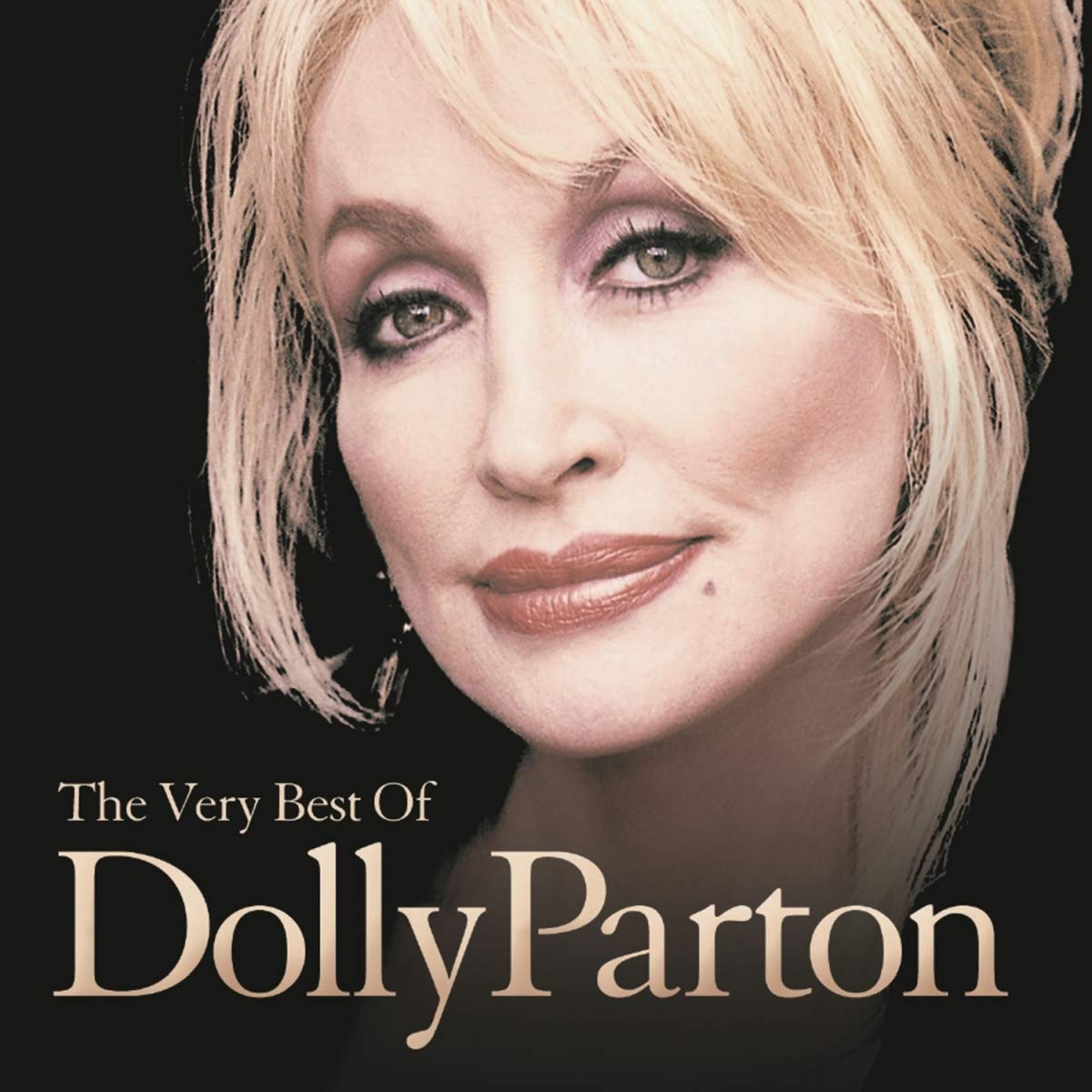
The Very Best of Dolly Parton (180g Vinyl)
Product Description:
Celebrate one of country music's greatest voices with The Very Best of Dolly Parton on premium 180-gram vinyl. This beautifully pressed collection spans Dolly's remarkable career, bringing together timeless classics, unforgettable duets, and fan favorites across four LPs. Whether you're a lifelong admirer or discovering her music for the first time, this set belongs in every country music collection.
Key Features:
• Premium 180-gram vinyl for outstanding sound quality
• Four LP collection featuring many of Dolly Parton's greatest hits
• Includes classics like 9 to 5, Jolene, I Will Always Love You, and Coat of Many Colors
• Features memorable duets with Kenny Rogers, Willie Nelson, Linda Ronstadt, Emmylou Harris, Loretta Lynn, Tammy Wynette, Billy Ray Cyrus, and others
• A wonderful addition to any country music or vinyl record collection
Why This Works:
If you've enjoyed reading about Dolly Parton's extraordinary career, this collection lets you experience many of the songs that made her an international superstar. From heartfelt ballads to chart-topping country classics, The Very Best of Dolly Parton showcases the remarkable songwriting, unmistakable voice, and enduring legacy that continue to inspire generations of music lovers.
Buy on Amazon