🎬 James Earl Jones Biography: A Career That Shaped Generations
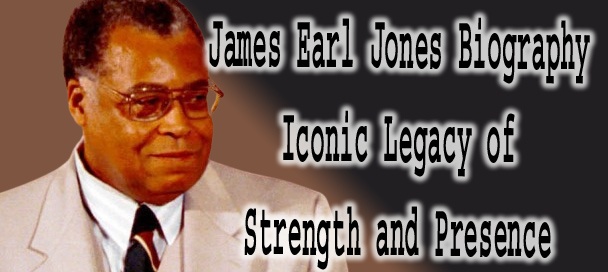
James Earl Jones in 1992, receiving the Medal of Arts
Few voices in modern culture carry the same authority and recognition as that of James Earl Jones, a performer whose presence has shaped both stage and screen across decades. His deep, resonant tone became an instrument of storytelling in its own right, lending weight and presence to characters that might otherwise have faded into the background. Audiences did not simply watch his performances; they felt them, often guided as much by sound as by sight.
James Earl Jones stands as one of the most recognizable voices in entertainment history, known for roles such as Darth Vader in Star Wars and Mufasa in The Lion King. His career spans Broadway, film, and television, marked by authority, clarity, and timeless presence. With award-winning performances and decades of influence, he became a defining figure in both classical theater and modern cinema. His voice alone reshaped how audiences experience storytelling.
Jones built a career defined by versatility and endurance, moving with ease between classical theater, major motion pictures, and voice work that reached global audiences. His interpretations of complex roles revealed a disciplined actor with a rare ability to command attention without excess. Whether portraying authority figures, conflicted leaders, or unseen forces, he brought a measured intensity that elevated every production he joined.
Beyond individual roles, his influence rests in the lasting imprint he left on popular culture and performance standards. His voice became iconic, instantly recognizable across generations, while his work on stage reaffirmed the enduring value of classical training in a changing entertainment landscape. In an era marked by shifting trends, Jones remained a steady and respected figure, embodying professionalism, clarity, and unmistakable presence.
His voice was not just recognizable, it became a cultural force that defined characters audiences never even saw, proving presence can exist without visibility.
👶 Early Life
Summary: James Earl Jones early life reflects resilience and discipline, laying the foundation for a career built on control and precision.
James Earl Jones was born on January 17, 1931, and spent his early years moving between relatives, growing up largely under the care of his grandparents. Those formative years were marked by long stretches of quiet, shaped in part by a pronounced stutter that made speaking difficult and often discouraging. Rather than drawing attention to himself, he developed a habit of listening closely and observing the world around him, a trait that would later serve him well as a performer.
School became a turning point. A teacher recognized his ability with language and encouraged him to read poetry aloud, slowly building both confidence and control. Through repetition and patience, he began to overcome his speech challenges, discovering that his voice, once a source of frustration, could become a strength. By the time he reached high school and later college, he had taken an interest in drama, finding in it a structured way to express himself with clarity and purpose.
His college years were followed by service in the United States Army, where discipline and routine further shaped his character. The experience added a sense of steadiness and perspective, reinforcing the quiet determination that had defined his earlier life. When his military service ended, he carried forward not only a stronger voice but also a grounded presence that would become central to his work on stage and screen.
Explore the Biographies of Iconic Celebrities
James Earl Jones is one of the few performers to achieve EGOT status, winning Emmy, Grammy, Oscar, and Tony awards.
🎬 Stage & Film Career
Summary: James Earl Jones' stage and film career bridged classical performance with mainstream success, leaving a lasting mark on both.
After completing his military service, James Earl Jones turned his full attention to the stage, where he quickly established himself as a serious and disciplined actor. His early work in New York theater led to a breakthrough performance in The Great White Hope (1968), a role that brought him national recognition and earned him a Tony Award. When the production moved to film as The Great White Hope (1970), Jones reprised the role and received an Academy Award nomination, marking a rare achievement for a stage actor transitioning to the screen.
Throughout the 1970s, he balanced theater with film and television, he appeared in films such as The Man (1972), with Martin Balsam and Burgess Meredith where he portrayed one of the earliest depictions of a Black President of the United States in mainstream cinema, and Claudine (1974) alongside Diahann Carroll. He also appeared in The Bingo Long Traveling All-Stars & Motor Kings (1976) with Billy Dee Williams and Richard Pryor, demonstrating his ability to move between drama and lighter material without losing his commanding presence. During this period, he remained deeply connected to the stage, performing in classical works by William Shakespeare, including Othello, where his voice and authority brought new depth to the tragic role.
The 1980s cemented his place in popular culture, particularly through voice work that would define entire generations. His role as the voice of Darth Vader in Star Wars: Episode V – The Empire Strikes Back (1980) and Star Wars: Episode VI – Return of the Jedi (1983) gave one of cinema’s most iconic villains unmistakable voice, while David Prowse physically portrayed the character. Around the same time, he appeared in films such as Conan the Barbarian (1982) with Arnold Schwarzenegger, Matewan (1987) directed by John Sayles, and Field of Dreams (1989) alongside Kevin Costner, where his performance as Terence Mann added a reflective, almost mystical tone to the film.
In the 1990s, Jones reached new audiences through family and mainstream films, including his memorable voice role as Mufasa in The Lion King (1994), produced by Disney, where his delivery gave emotional weight to the story and helped anchor the film’s success. He also portrayed Admiral Greer in The Hunt for Red October (1990) alongside Sean Connery, then Patriot Games (1992), and Clear and Present Danger (1994) alongside Harrison Ford, bringing quiet authority to the role. At the same time, he remained active on stage, earning additional Tony Awards for productions such as Fences (1987) by August Wilson and later The Best Man (2012), proving his continued strength in live performance.
Television also benefited from his presence, with roles in productions like Gabriel’s Fire (1990), which earned him an Emmy Award, and numerous guest appearances and narrations that showcased his unmistakable voice. Whether appearing on screen or heard behind the scenes, Jones carried a sense of dignity and control that made even brief performances stand out.
Across decades, his career reflected a rare balance between classical discipline and mainstream appeal. From the Broadway stage to major Hollywood productions, and from powerful dramatic roles to unforgettable voice work, James Earl Jones built a body of work that remains both widely respected and deeply woven into American entertainment history.
Clear and Present Danger / Patriot Games (Double Feature)
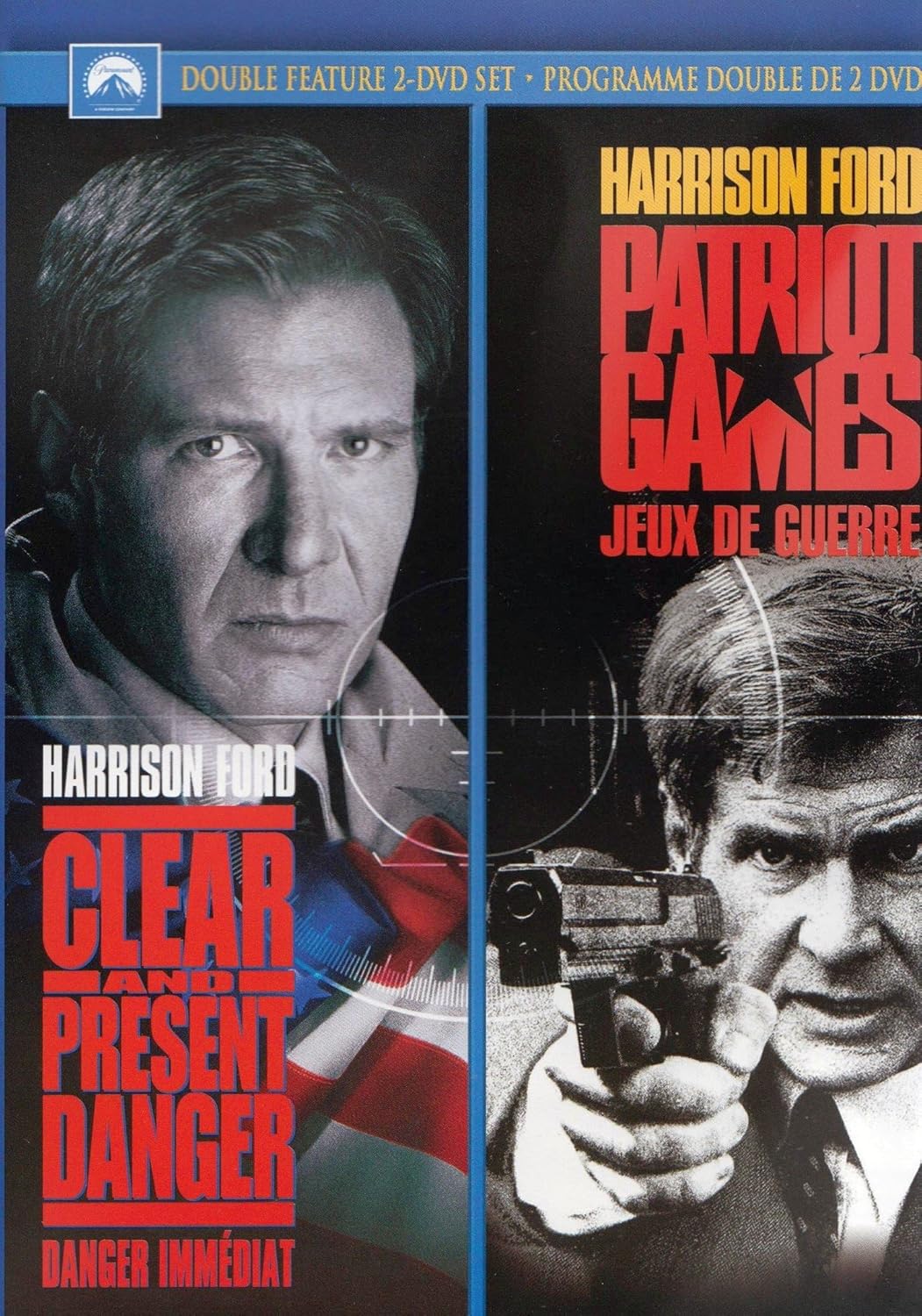
Cover Art for Clear and Present Danger / Patriot Games Double Feature DVD
Product Description:
This double feature brings together two gripping political action thrillers starring Harrison Ford as Jack Ryan, with James Earl Jones delivering his signature authority in a key supporting role. Both films explore high-stakes intelligence operations, global threats, and the personal cost of duty within the world of espionage.
Set Highlights:
• Includes Patriot Games (1992) and Clear and Present Danger (1994) in one collection.
• Features strong performances from Harrison Ford, Anne Archer, Sean Bean, and Willem Dafoe.
• Based on best-selling novels by Tom Clancy, bringing detailed political intrigue to the screen.
• Showcases tense action sequences alongside complex intelligence-driven storytelling.
• Includes original theatrical presentations with sharp picture and sound quality.
Why You’ll Enjoy This Set:
These films offer a grounded take on espionage, focusing on strategy, loyalty, and moral conflict rather than spectacle alone. The steady presence of James Earl Jones adds depth and credibility, while Harrison Ford anchors both stories with a thoughtful, determined performance. Together, they form a compelling look at political thrillers during the 1990s.
He originally was not credited for voicing Darth Vader in the first Star Wars film, as he considered it a small contribution at the time.
🕊️ Later Years
Summary: In later years, James Earl Jones remained a respected figure, revisiting iconic roles while maintaining a quieter public life.
In his later years, James Earl Jones remained a steady and respected presence in both theater and film, choosing projects that reflected experience rather than volume. He returned to the Broadway stage in productions such as Driving Miss Daisy (2010) alongside Vanessa Redgrave, and later in The Best Man (2012), reaffirming his command of live performance well into his later decades. His appearances were measured, but each carried the same authority and clarity that had defined his earlier work.
At the same time, his voice continued to resonate across new generations. He revisited one of his most iconic roles by voicing Darth Vader again in Rogue One: A Star Wars Story (2016), and lent his voice once more to Mufasa in The Lion King (2019), introducing his signature tone to younger audiences. These performances underscored how deeply his voice had become part of modern storytelling.
Even as he stepped back from frequent appearances, Jones remained an enduring figure of professionalism and quiet influence. Honors and lifetime achievement recognitions followed, reflecting a career built on consistency rather than spectacle. In his later years, he stood as a living connection to the traditions of stage acting and classical performance, leaving behind a legacy defined not only by memorable roles, but by the unmistakable strength and dignity of his presence.
James Earl Jones died at his home in Pawling, New York, on September 9, 2024, at the age of 93 from diabetes, closing the chapter on a life that had quietly shaped generations of audiences through both voice and performance.
Jones overcame a severe childhood stutter, yet later became one of the most celebrated voices in entertainment history.
🏆 Legacy
The legacy of James Earl Jones rests on a rare combination of discipline, presence, and unmistakable voice, qualities that set a standard few have matched. Over the course of his career, he moved comfortably between classical theater and popular film, proving that serious stage training could coexist with mainstream success. His performances carried a sense of control and authority that influenced generations of actors who followed, particularly those navigating both stage and screen.
His voice, in particular, became one of the most recognizable in modern entertainment, shaping characters that remain deeply embedded in popular culture. From powerful on-screen roles to unseen performances that defined entire films, Jones demonstrated that voice alone could carry emotional weight and narrative force. That influence extended beyond individual roles, helping to elevate voice acting as a respected and essential part of storytelling.
More broadly, Jones represented professionalism in its clearest form, a performer who let the work speak without distraction or excess. His career offered a model of longevity built on consistency, respect for craft, and a willingness to adapt without losing identity. His work continues to be studied, quoted, and heard, a lasting reminder of how presence, when fully realized, can leave a permanent mark on the cultural landscape.
🗣️ Why They Still Matter:
James Earl Jones remains a benchmark for excellence in acting and voice performance, influencing both stage-trained actors and modern voice artists. His work continues to reach new audiences, and his voice remains instantly recognizable across generations. In a rapidly changing entertainment landscape, his legacy stands as a reminder of the lasting power of skill, discipline, and authenticity.
Further Reading & Resources
📖 Read: James Earl Jones: Biography, Actor, Emmy and Tony Winner
🔍 Explore: James Earl Jones Biography - life, family, childhood, story
ML Lamp is the owner of Kilroy Was Here. After his 20 years of working in Las Vegas in the entertainment promotions field, Mr. Lamp retired in 2002 from his job to pursue his passion for collectibles. Now as a guest speaker and author he’s living the dream, and sharing his warmth with You.