🍀 Irish Stereotypes in Early Film: Charm, Trouble, and Myth
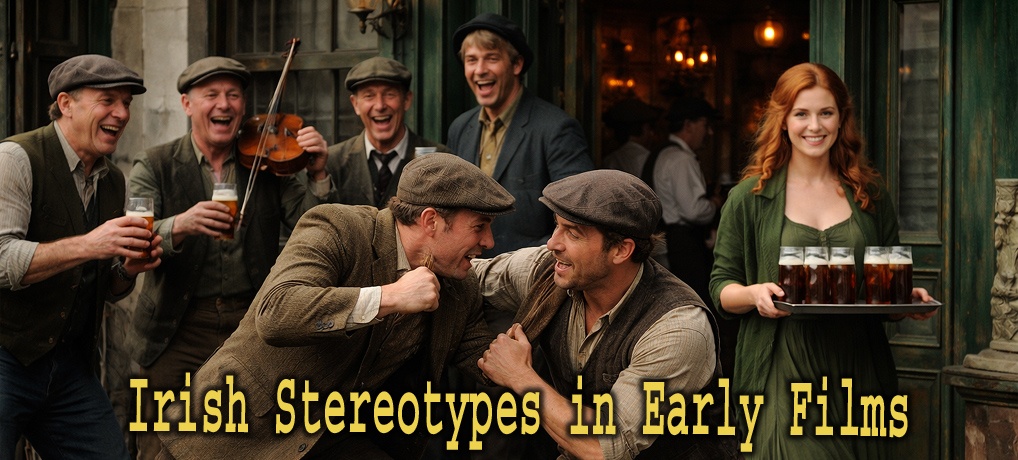
Evocative recreation of how Irish stereotypes appeared in early film, emphasizing the dual portrayal of charm and trouble
The Irish appeared on screen almost as soon as cameras started rolling. From the 1890s through the 1920s, filmmakers in America and Britain created a visual vocabulary for Irishness that leaned heavily on established stage conventions and popular assumptions. These portrayals hardened into recognizable types the charming rogue, the hot-tempered brawler, the sentimental mother, the superstitious peasant. Irish stereotypes became shorthand, a way to signal character traits without explanation or nuance.
Irish stereotypes in early cinema emerged from 19th-century stage conventions and anti-immigrant sentiment, creating a visual vocabulary of stock characters that appeared across American and British film from the 1890s through the mid-20th century. These portrayals the hot-tempered laborer, the superstitious servant, the charming rogue, the mythologized peasant functioned as narrative shorthand, allowing filmmakers to communicate character traits instantly through costume, gesture, and behavior. The Irish stereotypes drew on existing prejudices and reinforced them through repetition and wide distribution, becoming more fixed as cinema reached larger audiences. Early film inherited these images from vaudeville and melodrama but gave them unprecedented persistence and cultural reach.
Early cinema borrowed freely from vaudeville, melodrama, and the illustrated press. The Irish had already been caricatured in these formats for decades, and film inherited those images wholesale. What made film different was its reach and its persistence. A stage performance disappeared after the final curtain. A film could be reprinted, redistributed, and shown in towns across the country. The stereotypes became more fixed, more familiar, more difficult to dislodge.
📌 If You Only Read One Thing...
Early cinema did not invent Irish stereotypes but amplified and fixed them through unprecedented reach and repetition. The stock types that appeared in silent films. The violent Paddy, the foolish Biddy, the charming rogue, the mythologized peasant persisted for decades because they were economically efficient and reinforced existing prejudices. What made film different from earlier stage portrayals was permanence: a vaudeville performance disappeared after the curtain fell, but a film could be reprinted and reshown indefinitely, making the stereotypes more difficult to challenge or dislodge.
🍀 The Paddy and the Biddy
The two most common Irish stereotypes in early film were male and female variations of the same basic template. The "Paddy" was a working-class Irishman, usually a laborer or servant, defined by his quick temper, his love of drink, and his tendency toward violence. He appeared in countless comedies and shorts, often as comic relief or as the butt of a joke. His defining characteristic was instability he could not be trusted to remain calm, sober, or reasonable.
The "Biddy" was his female counterpart, typically a domestic servant. She was loud, superstitious, ignorant, and prone to overreaction. Her role was almost always comic, and the humor derived from her supposed inability to understand modern life or American customs. Both types were presented as fundamentally childlike, in need of supervision or correction by more refined characters.
These figures had roots in 19th-century anti-Irish sentiment, particularly in Britain and the United States, where Irish immigrants were often depicted as racially inferior, prone to criminality, and incapable of self-governance. Early film did not invent these images. It amplified them and gave them a visual consistency that earlier media could not achieve.
Examples of these types appeared throughout the silent era. The Lad from Old Ireland (1910) featured Sidney Olcott in a story that traded on rural Irish naivety transplanted to urban America. J. Farrell MacDonald played variations of the hot-headed Paddy in dozens of films during the 1910s and 1920s, including The Shamrock Handicap (1926). Dot Farley played similar Biddy roles in numerous Mack Sennett comedies throughout the silent period.
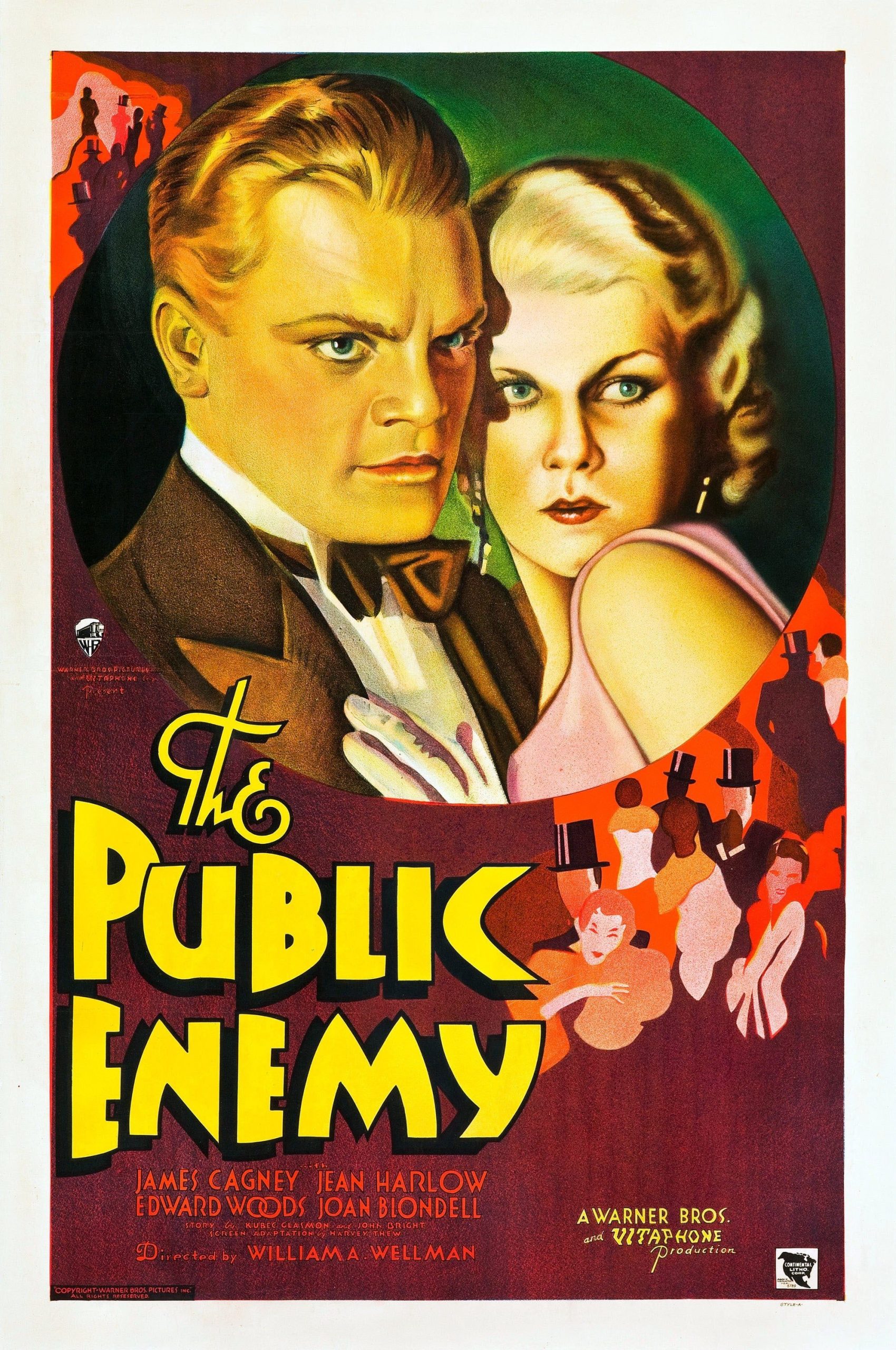
Irish stereotypes continued well beyond the silent era, with James Cagney embodying the violent, working-class Paddy in Angels with Dirty Faces (1938) and The Public Enemy (1931), his quick temper and criminal tendencies presented as natural extensions of his Irish background. Pat O'Brien played numerous Irish cops and priests who struggled with discipline and emotion, including in The Fighting 69th (1940) alongside Cagney. Maureen O'Hara became Hollywood's definitive Biddy in films like The Quiet Man (1952), where her fiery temper and emotional outbursts defined her character, while Barry Fitzgerald portrayed befuddled, superstitious Irish servants and priests in Going My Way (1944) and dozens of other films through the 1950s and 1960s.
📌 Fun Fact
J. Farrell MacDonald appeared in over 325 films between 1911 and 1942, frequently playing hot-tempered Irish characters. His prolific output meant that audiences across multiple decades encountered his version of Irish identity repeatedly, making him one of the most visible embodiments of Irish stereotypes.
🍀 The Stage Irishman on Screen
Theater had long featured the "Stage Irishman," a stock character distinguished by exaggerated brogue, green clothing, clay pipe, and shillelagh. This figure was simultaneously comic and menacing charming in his wit, dangerous in his unpredictability. When film producers needed Irish characters, they turned to actors trained in this tradition.
The Stage Irishman translated easily to silent film because his identity depended on visual cues rather than dialogue. Costume and gesture did most of the work. A battered hat, a crooked pipe, a raised fist all signaled Irishness to audiences familiar with the conventions. Irish stereotypes in early film were legible at a glance, which made them economical for filmmakers working in a new medium where every image had to communicate quickly.
Even as some actors and directors tried to present more dignified Irish characters, the Stage Irishman remained dominant. He appeared in slapstick comedies, crime dramas, and historical epics. His presence reassured audiences that they knew what to expect. The stereotype became a kind of visual grammar, a shared language that required no explanation.
Dion Boucicault Jr. brought his father's stage traditions to early film, appearing in The Colleen Bawn (1911) with exaggerated brogue and physical mannerisms lifted directly from theatrical convention. Arthur Donaldson specialized in the Stage Irishman type across numerous shorts, including The Wearing of the Green (1912), complete with shillelagh and clay pipe. Tom Moore played charming but volatile Irish characters in The Alienist (1915) and later films, while Pat Hartigan became synonymous with the type through repeated performances in Kalem Company productions throughout the 1910s, always recognizable by his costume and gestures before a single title card appeared.
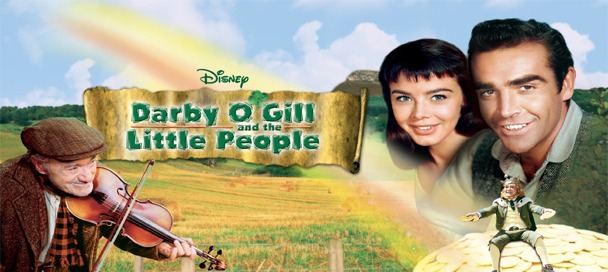
The Stage Irishman persisted into the sound era and beyond, with Victor McLaglen winning an Oscar for playing the drunken, violent informer in The Informer (1935), complete with exaggerated brogue and physical menace. Thomas Mitchell brought theatrical Irish mannerisms to Gone with the Wind (1939) and The Long Voyage Home (1940), always recognizable by costume and gesture. Sean Connery played against type but Richard Harris embraced Stage Irish conventions in This Sporting Life (1963) and later films, while Albert Sharpe portrayed the prototypical leprechaun in Darby O'Gill and the Little People (1959), complete with clay pipe, cap, and every visual cue established decades earlier, proving that Irish stereotypes remained Hollywood shorthand well into the television age.
Not all Irish stereotypes in early film were overtly negative. Some portrayals emphasized charm, wit, and a kind of roguish appeal. The "charming Irishman" was quick with a song, a joke, or a compliment. He was depicted as naturally gregarious, emotionally expressive, and quick to laugh or cry. This version of Irishness was more flattering on the surface, but it carried its own limitations.
The charm stereotype suggested that the Irish were inherently performative, that their emotions were always on display and never entirely genuine. It positioned them as entertaining but not serious, as capable of providing amusement but not leadership or moral authority. The charming Irishman might win hearts, but he rarely won respect.
This duality lovable but irresponsible, warm but unreliable appeared across dozens of films in the silent era. It allowed filmmakers to present Irish characters in a positive light without challenging deeper assumptions about their unsuitability for positions of power or responsibility. The charm was real, the stereotype suggested, but so was the instability beneath it.
Charles Ray played the good-hearted but unreliable Irishman in The Clodhopper (1917), all smiles and sentiment but no follow-through. Thomas Meighan brought roguish charm to The Irish Luck (1925), portraying a quick-witted immigrant whose emotional expressiveness marked him as entertaining but unserious. Colleen Moore, despite her name, often played against Irish-American types, but Mary Astor appeared as the sentimental Irish colleen in Beau Brummel (1924), defined entirely by warmth and theatricality. Victor McLaglen built an early career on the charming brute archetype, appearing in The Glorious Adventure (1922) as a likable but fundamentally irresponsible Irish soldier whose emotions governed every decision.
The charming but unreliable Irishman continued through mid-century Hollywood, with Bing Crosby playing sentimental Irish priests in The Bells of St. Mary's (1945), all warmth and song but little genuine authority. Peter O'Toole established a career playing charming, theatrical Irishmen beginning with Becket (1964), his performances always emphasizing emotional display over reliability, while Fred Astaire brought Irish charm to Finian's Rainbow (1968), portraying an Irish rogue whose emotions and dreams trumped practical sense, ensuring Irish stereotypes of performative warmth persisted across generations.
🍀 Trouble and Violence
Violence was central to many Irish portrayals. The hot-tempered Irishman, quick to take offense and quicker to throw a punch, became a staple of early comedy and drama. Fights erupted over trivial slights. Brawls broke out at weddings, wakes, and public gatherings. The message was clear: the Irish could not regulate their emotions or resolve conflict through reason.
This association between Irishness and violence had real-world consequences. It reinforced prejudices that Irish immigrants were inherently criminal, that they brought disorder wherever they settled. Films depicting Irish street gangs, drunken laborers, and violent domestic disputes fed into broader narratives about Irish unfitness for full participation in American or British society.
Some films presented this violence as comic, a source of slapstick humor rather than genuine danger. Others played it straight, positioning Irish characters as legitimate threats. In both cases, the underlying assumption remained the same: the Irish were governed by passion rather than reason, by instinct rather than discipline.
James Marcus specialized in violent Irish characters throughout the teens, playing hot-tempered laborers in Intolerance (1916) and similar roles where fists flew at the slightest provocation. George Walsh starred in The Honor System (1917) as an Irishman whose inability to control his temper led directly to crime and imprisonment. Monte Blue portrayed Irish gang members and street toughs in multiple films, including Orphans of the Storm (1921), where his character's violence was presented as both comic and threatening. Noah Beery played the brawling Irishman in The Spoilers (1914), a role that emphasized physical aggression and emotional volatility as defining Irish traits, while Walter Long appeared as violent Irish criminals in several D.W. Griffith productions during the 1910s.
The association between Irishness and violence remained central to American cinema through the gangster era and beyond, with Spencer Tracy playing Irish tough guys in Boys Town (1938) and earlier crime films, violence always lurking beneath surface charm. Robert Mitchum brought Irish menace to The Friends of Eddie Coyle (1973), while Richard Widmark portrayed psychotic Irish criminals in Kiss of Death (1947), the character's ethnicity explicitly tied to his inability to control violent impulses. Irish stereotypes linking violence to heritage continued even as other ethnic portrayals evolved, persisting in American cinema well into the late 20th century.
🍀 Myth and the Old Country
Early films also drew on romanticized images of rural Ireland. Thatched cottages, rolling green hills, ancient ruins these appeared as visual shorthand for a place frozen in time, untouched by modernity. The Irish in these films were depicted as simple, devout, and deeply connected to the land. They lived in a world of folklore, fairies, and ancient superstitions.
This mythologizing served multiple functions. It positioned Ireland as a place of escape, a pastoral alternative to industrial life. It suggested that Irish people were premodern, that they had not yet fully entered the modern world and might never be capable of doing so. And it reinforced the idea that Irishness was fundamentally backward-looking, defined by nostalgia rather than ambition.
The "Old Country" stereotype appeared most often in films aimed at Irish-American audiences, who were presumed to feel sentimental about a homeland many had never seen. But it also shaped how non-Irish audiences understood Ireland and Irish identity. The myth became a kind of truth, repeated so often that it seemed self-evident.
Gene Gauntier wrote and starred in Rory O'More (1911), shot on location in Ireland and filled with thatched cottages, ancient ruins, and peasants steeped in folklore. Sidney Olcott directed multiple films romanticizing rural Ireland, including The Colleen Bawn (1911) and Ireland, the Oppressed (1912), both emphasizing premodern pastoral landscapes and superstitious villagers. Alice Hollister appeared in The Kerry Gow (1912) as the embodiment of innocent Irish womanhood rooted in tradition and faith. J.J. Clark played devout country folk in several Kalem Irish productions, always positioned against rolling green hills and crumbling stone walls that suggested a land frozen outside of time, while Jack Clark portrayed similar backward-looking peasant types in Bold Emmett, Ireland's Martyr (1915).
Romanticized Ireland remained a Hollywood staple well past mid-century, with John Ford directing The Rising of the Moon (1957), filled with thatched cottages, green fields, and timeless peasant life rooted in folklore. Robert Mitchum and Sarah Miles appeared in Ryan's Daughter (1970), David Lean's lush but backward-looking Ireland where superstition and tradition trumped modernity. Milo O'Shea embodied the mythical peasant in Ulysses (1967), proving that Irish stereotypes of rural myth and folkloric stagnation persisted decades after their origins.
📌 Fun Fact
John Ford, himself Irish-American, both perpetuated and complicated Irish stereotypes in his films. While The Quiet Man (1952) presented romanticized rural Ireland with familiar types, Ford also directed more nuanced portrayals in other works, creating tension between commercial expectations and authentic representation.
🍀 Comedy and Degradation
Comedy was the primary vehicle for Irish stereotypes in early film. Shorts and features alike used Irish characters as sources of physical humor falling, fighting, drinking, misunderstanding instructions. The comedy was almost always at the expense of the Irish character, who was positioned as foolish, incompetent, or absurd.
This comedic framing allowed filmmakers to present degrading images while claiming harmlessness. After all, it was just a joke. But the repetition of these jokes had cumulative effects. Audiences came to expect Irish characters to behave in certain ways. Actors who wanted to play Irish roles had to conform to the established templates or risk being seen as unconvincing.
Some Irish actors and directors pushed back against these portrayals, but they faced significant obstacles. Studios controlled production and distribution. Audiences had been trained to find certain images funny. Challenging Irish stereotypes meant challenging profitable formulas and familiar entertainment.
Mack Sennett built an entire comedy factory around ethnic stereotypes, with Irish characters appearing as bumbling cops and drunken laborers in hundreds of shorts throughout the 1910s and 1920s. Ford Sterling played incompetent Irish policemen in countless Keystone comedies, stumbling and falling while chasing criminals he could never catch. Mack Swain portrayed similar degraded Irish types in Ambrose's First Falsehood (1914) and other shorts where Irishness itself was the punchline. Chester Conklin appeared as foolish Irish servants who misunderstood basic instructions in films like A Film Johnnie (1914), while Hank Mann specialized in physical comedy built around Irish drunkenness and stupidity in dozens of two-reelers.
Comic degradation of Irish characters continued through the studio era, with Barry Fitzgerald playing bumbling, drunken Irishmen in The Naked City (1948), always the source of gentle mockery. Arthur Shields portrayed foolish Irish servants and villagers in The Corn Is Green (1945), his characters defined by ignorance and superstition. Jack MacGowran specialized in comic Irish drunks in British films of the 1960s, particularly in Tom Jones (1963), while Wilfred Brambell played degraded Irish laborers in A Hard Day's Night (1964). Donald O'Connor participated in ethnic comedy in Francis in the Haunted House (1956), demonstrating that Irish stereotypes as sources of humor at the expense of the characters themselves remained acceptable mainstream entertainment into the late 20th century.
📎 Did You Know?
The visual cues used to signal Irish stereotypes in early films. The clay pipe, shillelagh, battered hat, and green clothing were inherited directly from 19th-century theatrical conventions and remained remarkably consistent across five decades of cinema. These props functioned as a visual grammar that required no dialogue or explanation.
🍀 Legacy and Persistence
Summary: Irish stereotypes persisted well beyond their original historical contexts because they remained economically efficient for studios and reinforced broader cultural systems of meaning and power.
The Irish stereotypes established in early film did not disappear when the silent era ended. Many persisted well into the sound era and beyond. The charming rogue, the hot-tempered brawler, the sentimental mother all remained recognizable types in Hollywood film for decades. Even as overt anti-Irish prejudice declined in American society, the cinematic stereotypes endured.
Part of this persistence came from the economics of filmmaking. Stereotypes were efficient. They communicated character quickly and reliably. Audiences understood them without explanation, which saved screen time and narrative complexity. Studios had little incentive to abandon formulas that worked.
But the persistence also reflected deeper cultural patterns. Stereotypes do not exist in isolation. They emerge from and reinforce broader systems of meaning and power. The Irish stereotypes in early film drew on centuries of prejudice, and they helped keep those prejudices alive even as their original contexts faded. The images remained long after the specific historical conditions that produced them had changed.
ML Lamp is the owner of Kilroy Was Here. After his 20 years of working in Las Vegas in the entertainment promotions field, Mr. Lamp retired in 2002 from his job to pursue his passion for collectibles. Now as a guest speaker and author he’s living the dream, and sharing his warmth with You.
 The two most common Irish stereotypes in early film were male and female variations of the same basic template. The "Paddy" was a working-class Irishman, usually a laborer or servant, defined by his quick temper, his love of drink, and his tendency toward violence. He appeared in countless comedies and shorts, often as comic relief or as the butt of a joke. His defining characteristic was instability he could not be trusted to remain calm, sober, or reasonable.
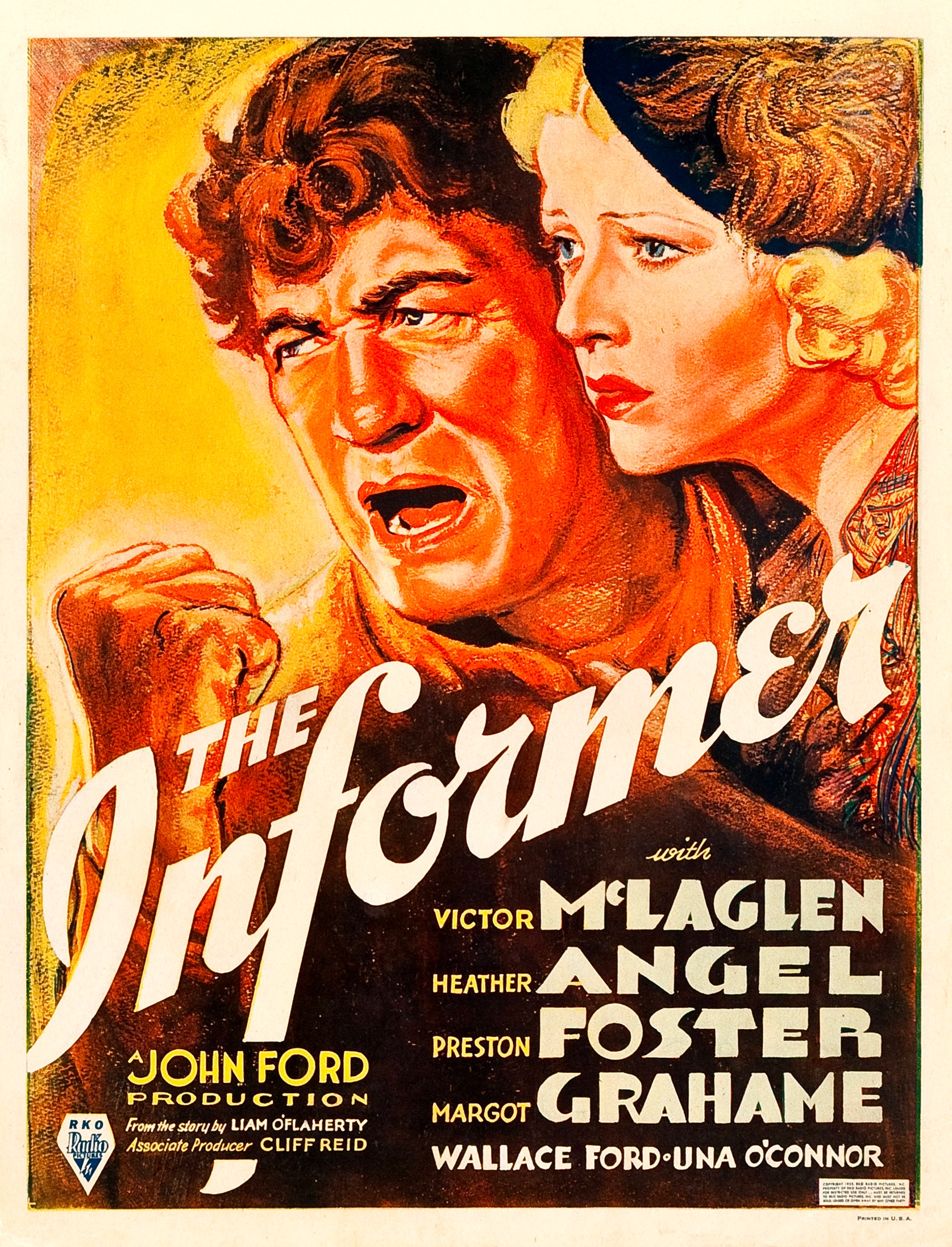 Theater had long featured the "Stage Irishman," a stock character distinguished by exaggerated brogue, green clothing, clay pipe, and shillelagh. This figure was simultaneously comic and menacing charming in his wit, dangerous in his unpredictability. When film producers needed Irish characters, they turned to actors trained in this tradition.
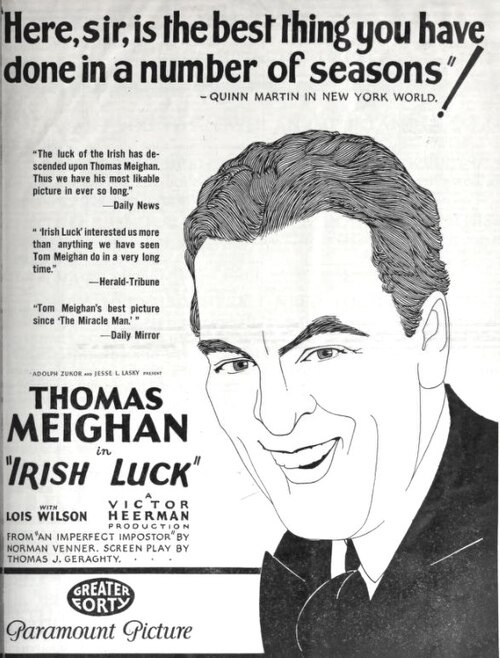 Not all Irish stereotypes in early film were overtly negative. Some portrayals emphasized charm, wit, and a kind of roguish appeal. The "charming Irishman" was quick with a song, a joke, or a compliment. He was depicted as naturally gregarious, emotionally expressive, and quick to laugh or cry. This version of Irishness was more flattering on the surface, but it carried its own limitations.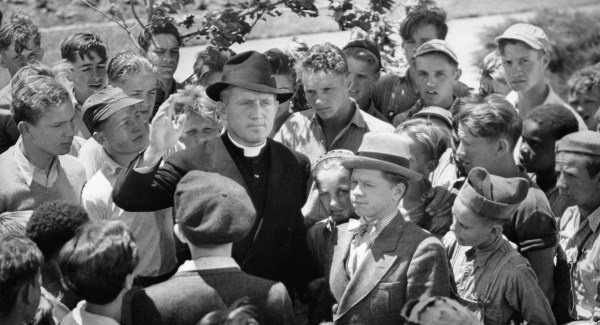
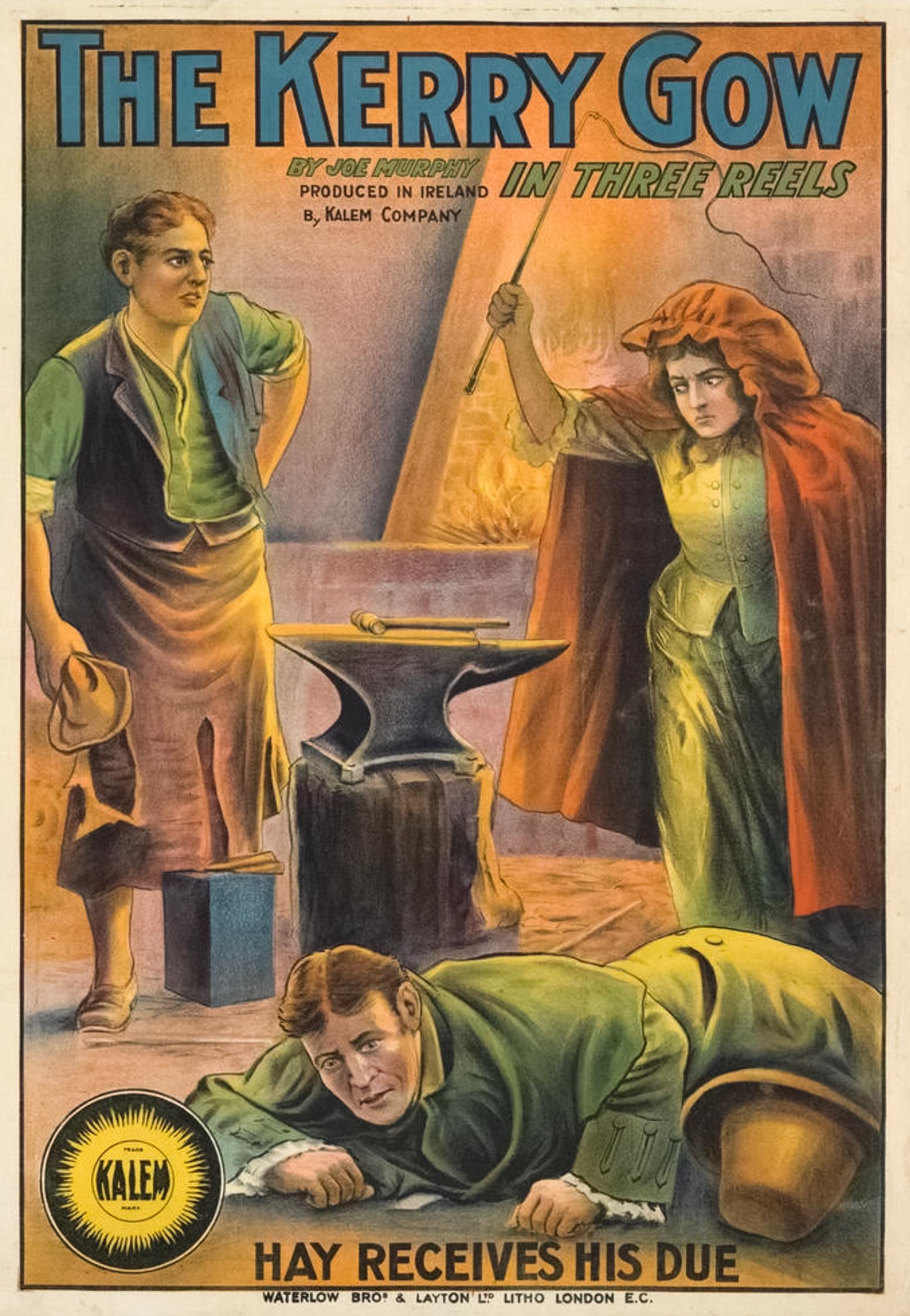 Early films also drew on romanticized images of rural Ireland. Thatched cottages, rolling green hills, ancient ruins these appeared as visual shorthand for a place frozen in time, untouched by modernity. The Irish in these films were depicted as simple, devout, and deeply connected to the land. They lived in a world of folklore, fairies, and ancient superstitions.
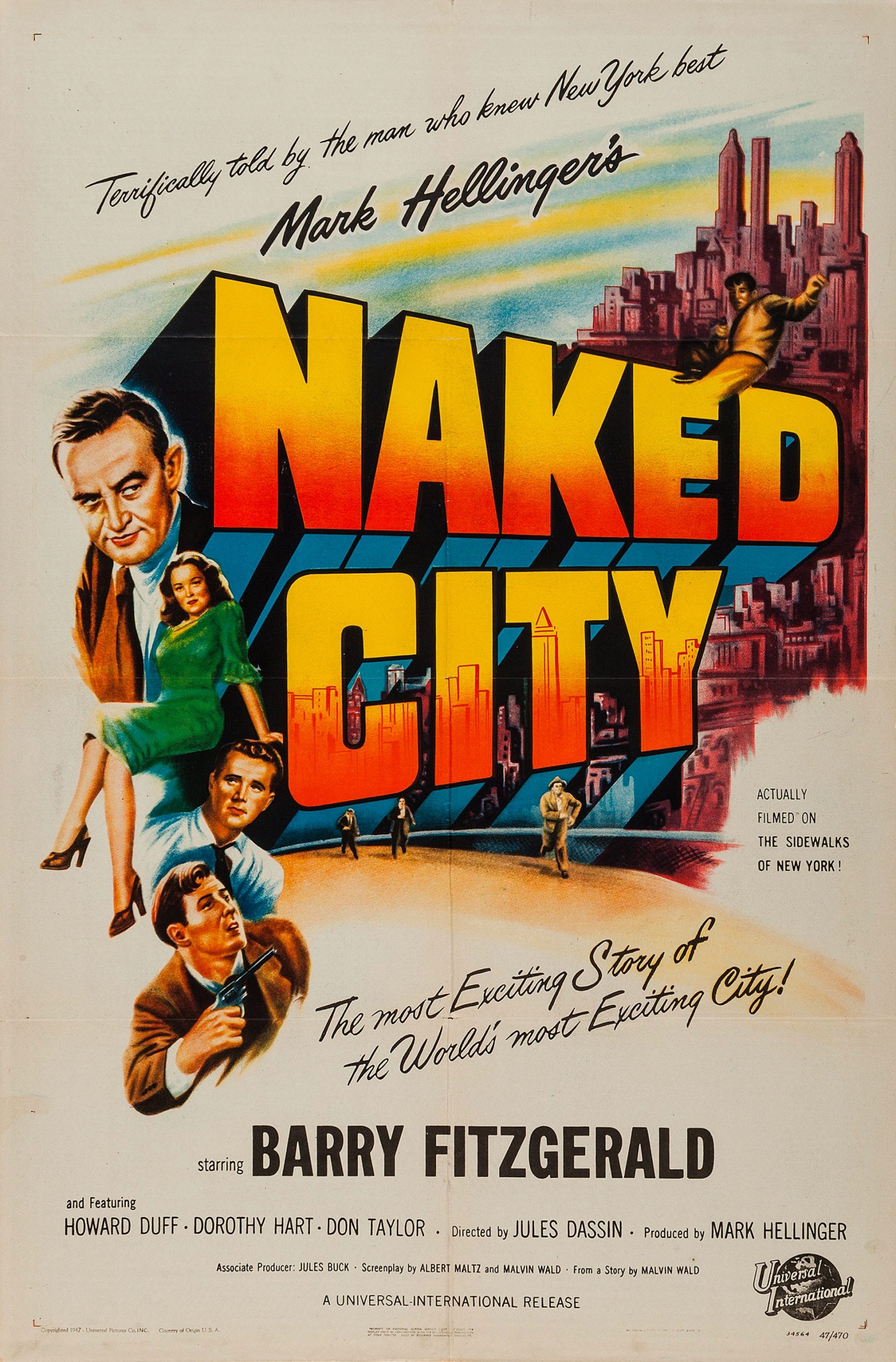 Comedy was the primary vehicle for Irish stereotypes in early film. Shorts and features alike used Irish characters as sources of physical humor falling, fighting, drinking, misunderstanding instructions. The comedy was almost always at the expense of the Irish character, who was positioned as foolish, incompetent, or absurd.