Patriotic Movies Hidden Classics with John Wayne and Jimmy Stewart

Holiday television schedules still rely on patriotic movies to frame shared moments of reflection. Early studio publicity often positioned these productions as patriotic movies tied to national observances. The association between film and holiday viewing developed during the studio era, when networks and theaters curated seasonal lineups that emphasized national history and familiar faces.
Patriotic movies are films that depict national identity, civic values, or military service through narrative storytelling. These productions often served to reflect public sentiment during periods of conflict or social change. Many were created during or shortly after major historical events, offering audiences a structured interpretation of those experiences. Actors such as John Wayne and Jimmy Stewart became closely associated with this category through repeated roles that aligned with these themes. Their films contributed to how these subjects were presented and understood within mainstream cinema.
John Wayne and James Stewart emerged as central figures within this pattern. Wayne’s screen image, shaped through films such as Sands of Iwo Jima from 1949 with John Agar and Forrest Tucker, presented a figure of firm leadership and visible duty. Stewart’s work in Mr. Smith Goes to Washington from 1939, alongside Jean Arthur and Claude Rains, offered a different model, one grounded in civic engagement and personal integrity. Both actors carried their reputations across decades, and their films often returned to circulation at moments when audiences sought reassurance or perspective. Their presence helped establish a recognizable tone that audiences could identify without difficulty.
🎖️ Why Patriotic Movies Still Matter
The continued appeal of patriotic movies rests in their ability to present clear moral conflicts and resolution. These films often reduce complex historical situations into narratives that can be understood through character decisions and visible stakes. Viewers respond to this clarity, particularly during times of public reflection. The stories do not attempt to cover every dimension of historical reality.
Instead, they select moments that illustrate values such as perseverance, cooperation, and a sense of shared responsibility. This selective approach explains why these films remain accessible across generations. They provide a framework for discussion without requiring specialized knowledge. The simplicity of their structure allows them to be revisited without losing coherence, and this consistency supports their continued use in both informal viewing and educational settings.
Discover more Patriotic Movies Here
🎬 John Wayne’s Most Patriotic Movies
Several of his best known roles are frequently cited among patriotic movies for their direct tone and steady resolve. Critics often return to these titles as examples of patriotic movies anchored by a commanding central figure. Wayne’s performances often emphasized physical presence and a measured delivery that suggested certainty even under pressure. In The Longest Day from 1962, he appeared alongside a large ensemble that included Robert Mitchum Richard Burton, Sean Connery, Paul Anka, and Henry Fonda, contributing to a broad depiction of the D Day landings.
In The Green Berets from 1968, with David Janssen and Jim Hutton, the narrative shifted toward contemporary conflict, presenting a perspective aligned with official policy at the time. These films reveal how Wayne’s image could adapt to different settings while maintaining a consistent core. His characters rarely wavered in their commitments, and this steadiness became a defining feature of his screen identity. Audiences came to expect a clear sense of direction from his roles, and this expectation shaped how his films were received and remembered.
🎥 Jimmy Stewart’s Most Patriotic Movies
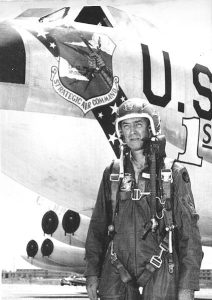
His performances stand apart within patriotic movies for their emphasis on personal doubt and quiet conviction. Stewart’s screen presence often conveyed hesitation followed by resolve, a pattern that allowed viewers to see themselves reflected in his characters. In Mr. Smith Goes to Washington from 1939, the narrative centered on a young senator confronting political corruption, supported by Jean Arthur and challenged by Claude Rains. The film’s focus on legislative process and individual conscience offered a different approach from the more overtly military narratives of the period.
Stewart’s wartime service also influenced how audiences interpreted his later roles, including Strategic Air Command from 1955 with June Allyson, where the story examined the balance between civilian life and military obligation. His performances did not rely on physical dominance. Instead, they highlighted the tension between uncertainty and commitment, a balance that resonated with viewers who recognized similar pressures in their own lives.
⚔️ War Films That Defined a Generation
The mid twentieth century produced a wave of patriotic movies that drew from recent combat experience. Many of these works became enduring patriotic movies through repeated broadcasts and classroom use. Films such as The Longest Day from 1962 and Sands of Iwo Jima from 1949 combined large scale production with attention to individual stories. The presence of actors like John Wayne, Robert Mitchum, and John Agar helped anchor these narratives in recognizable performances.
These films often emphasized cooperation among different units and highlighted the logistical challenges of large operations. While they simplified certain aspects of history, they preserved key events in a form that could be widely shared. Their continued circulation contributed to a common visual memory of the war years. This shared reference point allowed later generations to engage with the past through familiar images and narratives, even when direct experience was no longer available.
🤠 Westerns and American Identity
In a different register, westerns expanded the scope of patriotic movies beyond formal warfare. These films explored themes of settlement, law, and individual responsibility in frontier settings. John Wayne’s work in The Searchers from 1956, alongside Jeffrey Hunter, Ward Bond, Natalie Wood, and Vera Miles, presented a complex portrayal of a man shaped by conflict and isolation. The western setting allowed filmmakers to examine questions of justice and belonging without the constraints of specific historical battles.
These narratives often depicted communities forming under pressure, with characters negotiating between personal interest and collective needs. The visual language of the western, with its open landscapes and stark contrasts, reinforced these themes. While not explicitly tied to military events, these films contributed to broader ideas about national identity and the challenges of maintaining order in uncertain conditions.
🇺🇸 Best Movies for Memorial Day and 4th of July
Seasonal programming continues to highlight patriotic movies that align with public remembrance. Films featuring John Wayne and James Stewart remain central to these selections. Sands of Iwo Jima from 1949 and The Longest Day from 1962 often appear in Memorial Day lineups, reflecting their focus on military service and sacrifice. For Independence Day, Mr. Smith Goes to Washington from 1939 offers a different perspective, emphasizing civic ideals and the functioning of democratic institutions.
The pairing of these films within holiday schedules creates a balance between military and civic themes. This balance reflects the broader scope of national observance, which includes both remembrance of conflict and recognition of political principles. The repetition of these selections over time has established a pattern that audiences anticipate and recognize.
🏆 Legacy of John Wayne and Jimmy Stewart
Their combined body of work helped define patriotic movies for several generations. Wayne and Stewart approached similar themes from distinct angles, creating a range of representations that broadened the genre. Wayne’s emphasis on leadership and decisive action complemented Stewart’s focus on individual conscience and gradual resolve. Together, their films offered multiple entry points for audiences with different preferences. Their influence extended beyond their own performances, shaping casting decisions and narrative structures in later productions. Directors and writers often drew on their established images when developing new projects, ensuring that elements of their approach persisted. This continuity contributed to a stable framework within which the genre could evolve without losing its core characteristics.
🎞️ Final Thoughts
Taken together, these films show why patriotic movies retain a place in the cultural calendar. Their narratives provide a structured way to engage with historical events and shared values. The continued presence of John Wayne and James Stewart within these works underscores the importance of recognizable figures in maintaining audience interest. While the details of production and distribution have changed, the underlying appeal remains consistent. These films offer a combination of clarity, familiarity, and reflection that supports their ongoing relevance. Their role in holiday viewing and public discussion suggests that they will continue to be revisited, not as fixed statements, but as points of reference within an evolving cultural conversation.
Further Reading & Resources
📖 Read: The Longest Day (1962) – Roses Have Thoughts
🔍 Explore: The Searchers movie review & film summary review: – Roger Ebert