The History of NBC: From the Birth of Radio to a Century of American Entertainment (1926 to 2026)
Three little musical notes. A colorful peacock. A familiar voice saying “Live from New York.” For a hundred years, NBC has been part of the furniture in American homes. The history of NBC is the story of how Americans learned to gather around a radio, then a television, and now a phone. It began with a single gala broadcast on November 15, 1926. It reached its centennial in 2026, still standing as the oldest major broadcast network in the country.
This look back follows that century from start to finish. It covers the radio stars, the television pioneers, the shows that made families laugh and the moments that made the nation stop and watch. It also covers the logos, the collectibles and the memories that make NBC such a big part of Forgotten Americana.
Before NBC: RCA, David Sarnoff and the Birth of Radio
The history of NBC really begins before NBC existed. In the early 1900s, radio was a tool for ships and the military. Messages traveled by Morse code, not voices or music. Few people imagined that radio would one day bring entertainment into every living room.
The Radio Corporation of America Is Born
The Radio Corporation of America, known as RCA, was formed in 1919. General Electric created it after World War I to keep American radio technology in American hands. Westinghouse and AT&T soon held stakes in the business too.
Those companies spent the early 1920s fighting over patents, stations and who could do what. AT&T controlled the telephone lines needed to link stations together. RCA, GE and Westinghouse made and sold radio sets. Each side wanted a bigger piece of the new industry.
David Sarnoff and the Radio Music Box
David Sarnoff was the man with the vision. He was a Russian immigrant who started as an office boy at the American Marconi company. Legend says he dreamed up a “radio music box” that would bring music into homes the way a piano or phonograph did.
In 1921, Sarnoff helped arrange a radio broadcast of the Jack Dempsey and Georges Carpentier heavyweight fight. Huge numbers of listeners tuned in. It proved that people would buy radios if there was something exciting to hear. Sarnoff rose quickly at RCA and became the most powerful figure in early broadcasting.
America’s First Commercial Radio Stations
In 1920, Westinghouse station KDKA in Pittsburgh broadcast the results of the presidential election between Warren Harding and James Cox. That broadcast is often called the birth of commercial radio. Within a few years, hundreds of stations had popped up across the country.
AT&T’s station WEAF in New York carried one of the first paid radio advertisements in 1922. AT&T also linked stations by telephone line to create the first radio chain. By the mid 1920s, the WEAF chain and RCA’s WJZ chain were the two biggest players in radio.
The Founding of NBC in 1926
The patent fights ended with a deal. AT&T agreed to leave the broadcasting business. In July 1926, it sold WEAF to RCA for about $1 million. RCA then combined its stations into a brand new company built for one purpose, network broadcasting.
The Creation of the National Broadcasting Company
The National Broadcasting Company was incorporated on September 9, 1926. RCA owned half of the new company. General Electric owned 30 percent, and Westinghouse owned 20 percent. Merlin Aylesworth became NBC’s first president, with Sarnoff guiding the big picture from RCA.
NBC was the first permanent, full service radio network in the United States. Local stations could sign on as affiliates and carry NBC programs. That simple idea created national radio stars and national audiences.
The First NBC Broadcast at the Waldorf-Astoria
NBC signed on with a gala show on November 15, 1926. It came from the grand ballroom of the original Waldorf-Astoria Hotel in New York. That hotel stood where the Empire State Building stands today.
The program ran from 8 p.m. until 12:25 the next morning. Graham McNamee served as announcer. Humorist Will Rogers joined from Kansas City, and opera star Mary Garden sang from Chicago. Walter Damrosch conducted the New York Symphony Orchestra. About two dozen stations carried the broadcast, and millions of Americans listened.
The NBC Red Network and the NBC Blue Network
Demand from stations grew so quickly that NBC split into two networks less than two months later. On January 1, 1927, NBC Red and NBC Blue went on the air. The Red Network grew from the old WEAF chain. The Blue Network grew from the WJZ chain.
The names supposedly came from the colored pencils engineers used to mark station lines on maps. Red carried most of the big sponsored hits. Blue often tested new shows and carried more cultural programs. That same New Year’s Day, NBC carried the Rose Bowl football game from California, the first coast to coast radio broadcast.
The Origins of the Famous NBC Chimes
Every network needed a signature sound. NBC’s became three simple notes, G, E and C. Early versions used as many as seven notes played on handheld dinner chimes. Announcers had trouble striking them correctly every time, so the sequence was cut down.
Most historians date the three note version to 1929. Many people believe the notes stood for the General Electric Company. Historians still argue about whether that story is true. In 1950, the chimes became the first sound ever registered as a service mark with the U.S. Patent Office.
The Rise of National Radio Advertising
A national network meant national advertisers. Companies could now reach the whole country with a single show. Many programs carried the sponsor’s name right in the title. Listeners tuned in to shows like The Eveready Hour and later The Fleischmann’s Yeast Hour.
Advertising paid the bills and shaped the programs. Ad agencies often produced the shows themselves. That sponsor driven system carried over into early television and lasted for decades.
NBC and the Golden Age of Radio
From the late 1920s through World War II, radio was king. Families gathered around big wooden cabinet radios every evening. NBC was the biggest network of all, and this was the first golden chapter in the history of NBC. Its stars became household names from Maine to California.
Radio Comedy and Variety Shows
Amos ‘n’ Andy moved to NBC in 1929 and became a national craze. Movie theaters even paused films so audiences could hear the show. Jack Benny brought his famous stingy character and long pauses to NBC. Fibber McGee and Molly made a whole nation laugh at an overstuffed hall closet.
Bob Hope began his long NBC career in 1938. Ventriloquist Edgar Bergen and his wooden partner Charlie McCarthy became Sunday night favorites. George Burns and Gracie Allen, Fred Allen and Eddie Cantor also filled the airwaves with laughs.
Radio Dramas, Mysteries and Horror Programs
Radio drama let listeners build entire worlds in their imaginations. NBC’s Lights Out, created by Wyllis Cooper and later written by Arch Oboler, was one of radio’s first true horror series. Its creepy sound effects were legendary.
Mystery and adventure shows filled the schedule as well. One Man’s Family began in 1932 and ran for decades. It became one of the longest running dramas in radio history. Listeners followed the Barbour family through births, marriages, war and loss.
The Birth of the Daytime Soap Opera
Daytime radio drama was built for housewives at home. Many of the shows were sponsored by soap makers like Procter and Gamble. That is how the term soap opera was born.
NBC carried popular daytime serials such as Ma Perkins and Pepper Young’s Family. The format worked so well that it moved straight into television. NBC would later build one of the strongest soap lineups on TV.
Radio News and the Great Depression
During the Great Depression, radio was a cheap escape. Once a family owned a set, entertainment was free. Comedy and music helped people forget their troubles for an hour.
Radio also became the nation’s news source. President Franklin D. Roosevelt used his fireside chats to speak directly to Americans. In 1937, NBC listeners heard dramatic reports after the Hindenburg airship exploded in New Jersey. That disaster was the first time NBC used a special fourth chime to call its news staff to work.
Arturo Toscanini and the NBC Symphony Orchestra
Sarnoff wanted NBC to stand for culture as well as comedy. In 1937, he created the NBC Symphony Orchestra and lured the great Italian conductor Arturo Toscanini to lead it. Studio 8H at Rockefeller Center was built for the orchestra.
Toscanini led the orchestra on radio and later on television until 1954. Millions of Americans heard classical music for the first time through those broadcasts. Today Studio 8H is famous for a very different show, Saturday Night Live.
Rockefeller Center and Radio City
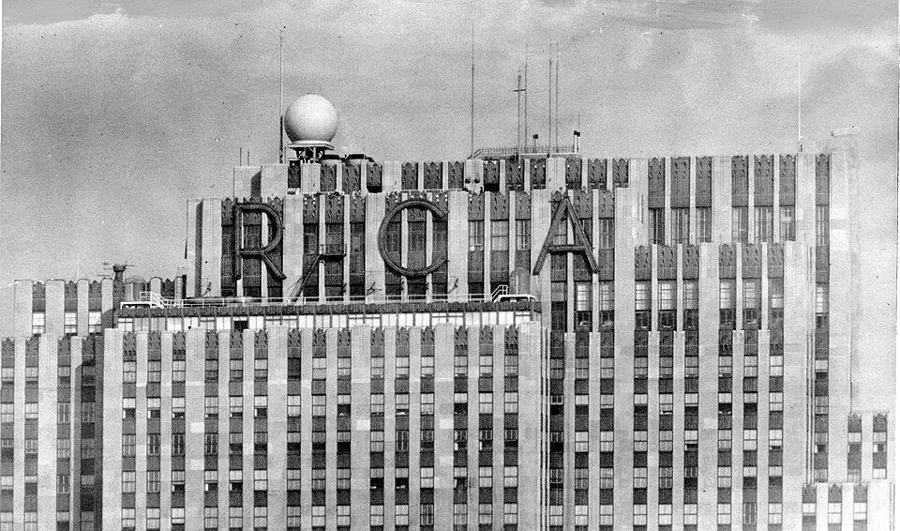
In 1933, NBC moved into its new headquarters at 30 Rockefeller Plaza in Manhattan. The area became known as Radio City because NBC and RCA were its main tenants. Radio City Music Hall opened nearby in 1932.
The building was a showplace of Art Deco design and modern studios. Visitors could take tours and peek at live broadcasts. NBC has called Rockefeller Center home ever since, and 30 Rock remains one of the most famous addresses in television.
NBC’s Competition with CBS and Mutual
NBC did not have radio to itself for long. William S. Paley built the Columbia Broadcasting System into a strong rival after 1928. The Mutual Broadcasting System arrived in 1934. Paley famously raided NBC’s talent, luring away stars like Jack Benny in the late 1940s.
The rivalry between Sarnoff and Paley shaped American broadcasting for decades. It moved from radio to television and carried into the color wars of the 1950s.
The Birth of NBC Television
Sarnoff was already looking past radio. He believed pictures would follow sound into American homes, and he was about to change the history of NBC. RCA poured millions of dollars into television research during the 1930s, even as the Depression dragged on.
RCA’s Early Television Experiments and W2XBS
RCA hired inventor Vladimir Zworykin, whose electronic camera tube made modern television possible. NBC’s experimental station W2XBS began testing in New York in 1928. Early test broadcasts famously used a Felix the Cat figure on a spinning turntable.
Pictures were small and fuzzy at first. Only engineers and a few hobbyists had sets. Still, the pieces of a television network were slowly falling into place.
Television at the 1939 New York World’s Fair
On April 30, 1939, NBC launched regular television service from the New York World’s Fair. President Franklin D. Roosevelt appeared on camera at the opening ceremonies. He became the first sitting president to appear on television.
RCA showed off its new television sets at a dazzling pavilion. Fairgoers lined up to see themselves on screen. For many Americans, it was their very first look at the future.
NBC’s First Televised Sporting Events
Sports followed quickly. In May 1939, NBC televised a college baseball game between Columbia and Princeton. It used a single camera, and the ball was hard to see. That fall, NBC televised a professional football game between the Brooklyn Dodgers and the Philadelphia Eagles.
These broadcasts reached only a few hundred sets. Yet they planted the seed for one of the biggest businesses in television, live sports.
America’s First Legal Television Commercial
On July 1, 1941, the Federal Communications Commission allowed commercial television to begin. NBC’s W2XBS became WNBT that day. It later became the station known today as WNBC.
That afternoon, before a Brooklyn Dodgers and Philadelphia Phillies baseball game, WNBT aired a Bulova watch ad. It showed a clock over a map of the United States. The ad lasted about ten seconds and reportedly cost Bulova just $9. It is remembered as the first legal television commercial in America.
NBC During World War II
The war changed everything in the history of NBC. Television development nearly stopped as factories turned to military production. Radio, meanwhile, became more important than ever.
Broadcasting the Attack on Pearl Harbor
On Sunday, December 7, 1941, NBC radio interrupted its programs with news of the Japanese attack on Pearl Harbor. Americans gathered around their radios in shock. The next day, they heard President Roosevelt call it “a date which will live in infamy.”
NBC used its fourth chime during the war to alert staff to major bulletins. It sounded again on D-Day in June 1944. Those four notes meant something important was happening.
Wartime Entertainment and Patriotic Programming
Radio kept spirits up at home and overseas. Bob Hope took his NBC show to military bases and became forever linked with the troops. Variety shows sold war bonds and promoted scrap drives. News correspondents reported from Europe and the Pacific.
Families listened every night for word from the front. For many, a radio report was the closest they could get to loved ones fighting far away.
The Sale of the Blue Network and the Birth of ABC
While the war raged, NBC faced a fight at home. The FCC ruled that no company could own two radio networks. NBC took the case all the way to the U.S. Supreme Court and lost in 1943.
RCA sold the Blue Network that year for $8 million to Edward J. Noble, the businessman behind Life Savers candy. Noble’s network kept the Blue name for a short time. In 1945, it became the American Broadcasting Company. The history of NBC therefore includes the birth of ABC, one of its biggest future rivals.
The Postwar Television Boom
When the war ended, television took off like a rocket, and the history of NBC entered its most exciting chapter. Factories that had built military radios began building TV sets. Prices dropped, and the number of homes with television exploded during the late 1940s.
Television Sets Enter American Homes
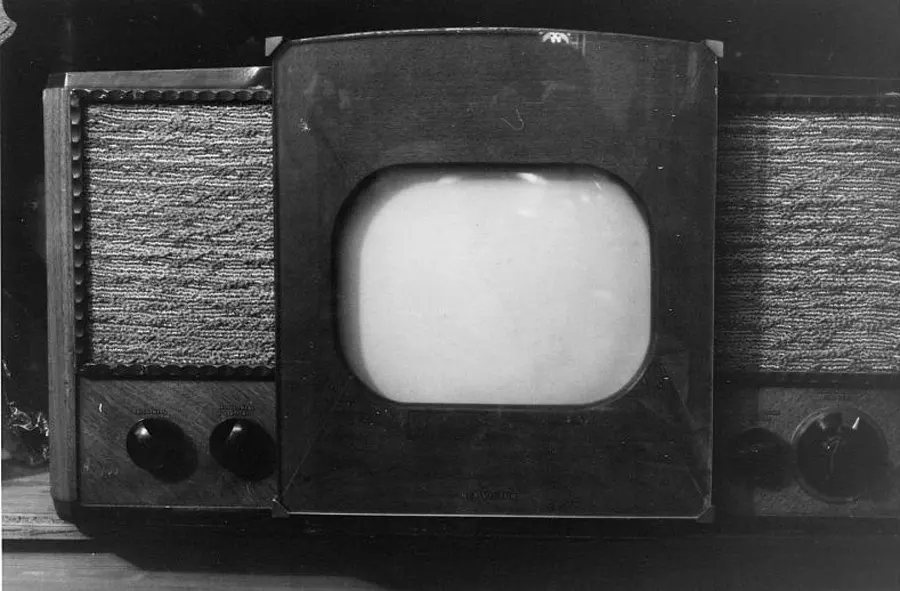
RCA’s 630-TS model, introduced in 1946, became one of the first mass market television sets. Its small screen sat inside a heavy wooden cabinet. Neighbors crowded into the living rooms of the first family on the block to own one.
Bars and appliance store windows drew crowds too. People stood on the sidewalk to watch a boxing match or a variety show through the glass. Television had become the new gathering place.
NBC’s Expanding Network and Local Affiliates
NBC built its television network the same way it built radio. Local stations signed on as affiliates and carried network shows. Coaxial cable and microwave relays linked cities together. In 1951, the first live coast to coast television broadcasts connected East and West.
NBC also scored early news and sports firsts. In 1947, it carried the World Series and launched Meet the Press. In 1949, an estimated 10 million people watched NBC and other networks carry the inauguration of President Harry Truman.
Milton Berle and Texaco Star Theater
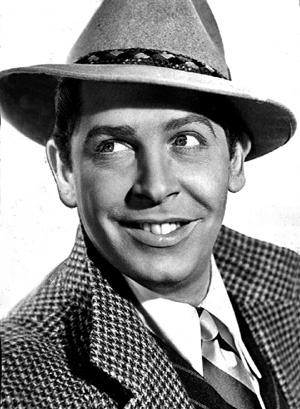
One man did more than anyone to sell television sets. Milton Berle hosted Texaco Star Theater on NBC starting in 1948. His wild costumes, slapstick gags and nonstop energy made him the first true television superstar.
He became known as “Mr. Television” and “Uncle Miltie.” Restaurants and movie theaters reportedly saw business drop on Tuesday nights when his show aired. Some people said Berle sold more television sets than any salesman ever did.
Howdy Doody and the First Television Stars
Children had their own superstar. The Howdy Doody Show premiered on NBC in 1947. Buffalo Bob Smith and his freckle faced puppet pal entertained kids in the Peanut Gallery. Clarabell the Clown honked his horn and squirted seltzer.
The show ran until 1960 and sold mountains of toys and merchandise. Today, vintage Howdy Doody items are prized by collectors of television memorabilia.
The History of NBC in the 1950s: The Golden Age of Television
The 1950s are often called the Golden Age of Television. Live comedy, live drama and live variety filled the schedule. NBC, guided by programming chief Pat Weaver, invented several formats that still exist today.
The Color Television Battle and the NBC Peacock
Sarnoff and RCA bet everything on color. CBS had developed a color system that would not work on existing black and white sets. The FCC approved the CBS system in 1950, but RCA kept fighting. In 1953, the government adopted RCA’s compatible color standard instead.
NBC became the leader in color broadcasting. To promote its color shows, NBC introduced the famous peacock in 1956. The brightly colored bird told viewers that the next program was “brought to you in living color.” Viewers with black and white sets saw a gray bird, which only made them want a color set more.
That same year, NBC made the first television broadcast recorded on videotape. Before videotape, most shows were either live or recorded on film. Tape would change how television was made.
The Launch of the Today Show
Pat Weaver believed people would watch television in the morning. Many critics laughed. On January 14, 1952, NBC launched Today with host Dave Garroway. It mixed news, weather, interviews and light features.
The show struggled at first. Then a chimpanzee named J. Fred Muggs joined the cast in 1953. Kids loved him, parents tuned in and ratings climbed. Today became the model for every morning news show that followed.
The Birth of The Tonight Show
Weaver also saw a chance late at night. On September 27, 1954, Steve Allen launched Tonight on NBC. Allen played the piano, chatted with guests and pulled stunts in the street outside the studio.
Jack Paar took over in 1957. He was emotional, witty and unpredictable. In 1960, he famously walked off the show in protest after NBC censored one of his jokes. Paar laid the groundwork for the talk show format that Johnny Carson would perfect.
Sid Caesar and Your Show of Shows
Your Show of Shows ran on NBC from 1950 to 1954. Sid Caesar starred with Imogene Coca, Carl Reiner and Howard Morris. The live, 90 minute comedy show parodied movies, opera and everyday life.
Its writers’ room became legendary. Mel Brooks, Neil Simon and Larry Gelbart all wrote for Caesar at different points. Their later work on films, plays and shows like M*A*S*H owed a lot to those years.
Dragnet and the Rise of Television Crime Dramas
Dragnet came to NBC television in 1951 after starting on radio. Jack Webb starred as Sergeant Joe Friday, a no nonsense Los Angeles detective. The show opened with the line saying the story was true and only the names had been changed.
Its famous four note theme and flat, factual style became instantly recognizable. Dragnet created the modern police procedural. Webb would later produce Adam-12 and Emergency! for NBC.
Live Anthology Dramas and Television Theater
NBC presented serious live drama nearly every week. Programs like The Philco Television Playhouse and Goodyear Television Playhouse showcased new writers. Paddy Chayefsky’s Marty, starring Rod Steiger, aired in 1953. It was later remade as a film that won the Academy Award for Best Picture.
NBC also aired Amahl and the Night Visitors on Christmas Eve 1951. It was the first opera written specifically for television. The Golden Age of live drama faded by the end of the decade as filmed series took over.
The Television Quiz Show Scandals
Big money quiz shows ruled the late 1950s. NBC’s Twenty-One made a star of Columbia University instructor Charles Van Doren. Viewers watched him sweat in an isolation booth as he won week after week.
Then former contestant Herb Stempel revealed that the show was rigged. Van Doren later admitted to Congress that he had been given answers. The scandal shocked the country and changed television. Networks took control of their own programming instead of leaving it to sponsors.
The Beginning of Bonanza
In September 1959, NBC premiered Bonanza. It was one of the first westerns filmed in color. Lorne Greene starred as Ben Cartwright, with Pernell Roberts, Dan Blocker and Michael Landon as his three sons.
The Ponderosa ranch and its fiery opening map became iconic. Bonanza also helped sell color sets for RCA. It would become one of the biggest hits of the 1960s.
NBC in the 1960s: The Living Color Era
In the history of NBC, the 1960s were the decade of color. NBC proudly called itself the full color network. By the mid 1960s, nearly its entire prime time schedule was in color. The decade brought westerns, spies, space travel, rock and roll and some of the biggest news stories of the century.
Walt Disney’s Wonderful World of Color
In 1961, Walt Disney moved his weekly show from ABC to NBC. The new title was Walt Disney‘s Wonderful World of Color. The name was a perfect fit for a network trying to sell color television.
Disney himself hosted many episodes. Families gathered on Sunday nights for cartoons, nature films and adventures like Davy Crockett reruns. The show helped make Sunday night a family television night.
Bonanza and the Popularity of Television Westerns
Bonanza became the number one show in America from 1964 to 1967. Westerns filled NBC’s schedule. The Virginian premiered in 1962 as television’s first 90 minute western series. It starred James Drury, Doug McClure and Lee J. Cobb.
The High Chaparral followed in 1967 with Leif Erickson and Cameron Mitchell. Laramie, starring John Smith and Robert Fuller, ran from 1959 to 1963. For a while, it seemed every night on NBC had a cowboy in it.
Johnny Carson Takes Over The Tonight Show
On October 1, 1962, Johnny Carson took over The Tonight Show. Ed McMahon was his announcer and sidekick. Groucho Marx introduced him on that first night.
Carson’s monologue, his characters like Carnac the Magnificent and his easy charm made him the king of late night. He hosted for 30 years. For millions of Americans, falling asleep after Johnny was a nightly ritual.
Star Trek and Television Science Fiction
Star Trek premiered on NBC in September 1966. William Shatner starred as Captain James T. Kirk, with Leonard Nimoy as Mr. Spock. DeForest Kelley, Nichelle Nichols, James Doohan and George Takei rounded out the crew.
The ratings were modest, and NBC canceled the show in 1969 after three seasons. Then reruns turned it into a phenomenon. Star Trek became one of the most beloved franchises in entertainment history.
The Man from U.N.C.L.E. and Television Spy Shows
The James Bond craze hit television in the mid 1960s. NBC’s The Man from U.N.C.L.E. premiered in 1964. Robert Vaughn and David McCallum starred as secret agents Napoleon Solo and Illya Kuryakin.
NBC also aired I Spy starting in 1965. Bill Cosby and Robert Culp played undercover agents posing as a tennis pro and his trainer. Cosby became the first Black actor to star in an American television drama series.
Get Smart, I Dream of Jeannie and 1960s Sitcoms
Get Smart spoofed the spy shows. Don Adams starred as bumbling Agent 86, Maxwell Smart, with Barbara Feldon as Agent 99. Mel Brooks and Buck Henry created the show, which began on NBC in 1965.
I Dream of Jeannie also premiered in 1965. Barbara Eden played a genie who fell for an astronaut, played by Larry Hagman. The Monkees debuted in 1966, starring Davy Jones, Micky Dolenz, Michael Nesmith and Peter Tork. The made for TV band sold millions of records.
Rowan & Martin’s Laugh-In
In 1968, Rowan & Martin’s Laugh-In exploded onto NBC. Dan Rowan and Dick Martin hosted a fast paced mix of jokes, sight gags and catchphrases. The cast included Goldie Hawn, Lily Tomlin, Ruth Buzzi, Arte Johnson and Henry Gibson.
“Sock it to me” and “Here come de judge” swept the nation. Even Richard Nixon appeared on the show in 1968 to say “Sock it to me?” Laugh-In was the number one show in America for two seasons.
NBC’s Coverage of the Kennedy Assassination
On November 22, 1963, President John F. Kennedy was shot in Dallas. NBC, like the other networks, dropped all regular programming. Anchors Chet Huntley, David Brinkley and Frank McGee guided viewers through four days of grief.
Two days later, NBC was the only network carrying live pictures when Jack Ruby shot Lee Harvey Oswald. Americans watched it happen in real time. Those days showed how central television had become to national life.
Vietnam, Apollo 11 and Television Journalism
The Vietnam War became the first war Americans saw on television nearly every night. NBC correspondents filed reports from the jungles and cities of Southeast Asia. Those images helped shape public opinion at home.
In July 1969, NBC covered the Apollo 11 moon landing. Frank McGee anchored much of the coverage. Hundreds of millions of people around the world watched Neil Armstrong step onto the moon. It remains one of the most watched broadcasts in history.
NBC in the 1970s: Changing Times and Changing Audiences
The 1970s brought big changes to the history of NBC. Westerns faded, and detective shows, family dramas and edgy comedy took their place. Late in the decade, NBC slid into third place among the networks.
The NBC Mystery Movie
In 1971, NBC launched The NBC Mystery Movie. It rotated several detective series in the same time slot. Peter Falk starred as the rumpled Lieutenant Columbo, always asking “just one more thing.”
Dennis Weaver played a New Mexico lawman in New York in McCloud. Rock Hudson and Susan Saint James starred as a crime solving married couple in McMillan & Wife. Columbo became so popular that it later returned on ABC.
Emergency! and Adam-12
Jack Webb kept producing hits. Adam-12 premiered in 1968 with Martin Milner and Kent McCord as Los Angeles police officers. Emergency! followed in 1972 with Randolph Mantooth and Kevin Tighe as paramedics.
Emergency! also featured Julie London and Robert Fuller as hospital staff. The show is credited with inspiring many young viewers to become paramedics and firefighters.
Little House on the Prairie
Little House on the Prairie premiered in 1974. Michael Landon starred as Charles Ingalls and also produced and directed. Melissa Gilbert played Laura, with Karen Grassle as Ma and Melissa Sue Anderson as Mary.
Based on the books by Laura Ingalls Wilder, the show offered warm family stories in a time of cynicism. It ran until 1983 and still airs in reruns today.
The Rockford Files and 1970s Favorites
James Garner starred as private eye Jim Rockford in The Rockford Files beginning in 1974. Rockford lived in a trailer, dodged bullets and rarely got paid. The show’s answering machine opening became famous.
NBC also had Sanford and Son with Redd Foxx and Demond Wilson. Chico and the Man starred Freddie Prinze and Jack Albertson. CHiPs, starring Erik Estrada and Larry Wilcox, put California motorcycle cops on the road in 1977.
The Birth of Saturday Night Live
On October 11, 1975, a new kind of comedy show premiered from Studio 8H. It was created by producer Lorne Michaels. George Carlin hosted the first episode. The show was first called NBC’s Saturday Night.
The original cast was called the Not Ready for Prime Time Players. It included Chevy Chase, Dan Aykroyd, John Belushi, Jane Curtin, Garrett Morris, Laraine Newman and Gilda Radner. Bill Murray joined in 1977. The show was loose, daring and live, and it changed comedy forever.
Miniseries and Made for Television Movies
The 1970s were the heyday of the television movie and the miniseries. NBC aired Holocaust in 1978, starring Meryl Streep and James Woods. It drew huge audiences and won several Emmy Awards.
In 1980, NBC aired Shōgun, starring Richard Chamberlain as an English sailor in feudal Japan. It was a massive hit. Later, the 1983 miniseries V brought alien invaders to NBC and became a cult favorite.
Fred Silverman and NBC’s Ratings Slide
By the late 1970s, NBC had fallen to third place. In 1978, the network hired Fred Silverman, who had built hit lineups at CBS and ABC. Expectations were sky high.
Silverman’s NBC years did not go well. Shows like Supertrain and Hello, Larry flopped badly. The network lost money and prestige. Yet Silverman also promoted a young programmer named Brandon Tartikoff and backed Hill Street Blues, which would help save NBC.
NBC in the 1980s: The Great Network Comeback
NBC entered the 1980s in last place. It left the decade as the most watched network in America. That turnaround is one of the great success stories in the history of NBC.
Grant Tinker and Brandon Tartikoff
Grant Tinker became chairman of NBC in 1981. He had built MTM Enterprises, the studio behind The Mary Tyler Moore Show. Tinker believed in quality and patience. He gave good shows time to find an audience.
Brandon Tartikoff ran NBC Entertainment. He was young, clever and had a great feel for what viewers wanted. Legend says he once wrote “MTV cops” on a note, which became the idea for Miami Vice. Together, Tinker and Tartikoff rebuilt the network.
Hill Street Blues and the Reinvention of Television Drama
Hill Street Blues premiered in January 1981. Created by Steven Bochco and Michael Kozoll, it starred Daniel J. Travanti as Captain Frank Furillo. Veronica Hamel, Michael Conrad and Bruce Weitz were also in the cast.
The show used handheld cameras, overlapping dialogue and stories that continued from week to week. Its ratings started slow, but critics loved it. Sergeant Esterhaus’s line, “Let’s be careful out there,” became famous.
The Cosby Show and NBC’s Ratings Recovery
In September 1984, The Cosby Show premiered on Thursday night. Bill Cosby starred as Dr. Cliff Huxtable, with Phylicia Rashad as his wife Clair. Malcolm-Jamal Warner, Lisa Bonet and Keshia Knight Pulliam played some of their children.
The show became the number one series in America for five straight seasons. It pulled NBC out of its slump almost single handedly. Its legacy was later clouded by criminal allegations against its star.
Cheers and the Rise of Thursday Night Comedy
Cheers premiered in 1982 and nearly got canceled for low ratings. NBC stuck with it. Ted Danson played former baseball pitcher Sam Malone, owner of a Boston bar. Shelley Long co-starred as Diane Chambers, and Kirstie Alley joined later as Rebecca Howe.
Rhea Perlman, George Wendt, John Ratzenberger, Woody Harrelson and Kelsey Grammer rounded out the regulars. Everybody really did know Norm’s name. Cheers ran until 1993, and its finale drew one of the largest audiences in television history.
Family Ties and The Golden Girls
Family Ties made a star of Michael J. Fox as young conservative Alex P. Keaton. Meredith Baxter and Michael Gross played his former hippie parents. Justine Bateman played his sister Mallory.
The Golden Girls premiered in 1985. Bea Arthur, Betty White, Rue McClanahan and Estelle Getty played four older women sharing a house in Miami. The show was funny, warm and surprisingly bold. It still finds new fans today.
Knight Rider, The A-Team and Night Court
NBC also had action and fun. Knight Rider premiered in 1982 with David Hasselhoff as Michael Knight. His partner was KITT, a talking black Pontiac Trans Am. The car may have been the real star.
The A-Team followed in 1983. George Peppard, Mr. T, Dirk Benedict and Dwight Schultz played soldiers of fortune. Hannibal loved it when a plan came together. Night Court, starring Harry Anderson and John Larroquette, brought late night laughs to a Manhattan courtroom.
Miami Vice and the Changing Look of Television
Miami Vice premiered in 1984 and looked like nothing else on TV. Don Johnson and Philip Michael Thomas starred as undercover detectives Crockett and Tubbs. The show used pastel colors, fast cars and pop music.
Jan Hammer’s theme became a hit single. Johnson’s look of a T shirt under an Italian sport coat started a fashion trend. Miami Vice proved television could be stylish as well as exciting.
St. Elsewhere, L.A. Law and ALF
St. Elsewhere premiered in 1982. Ed Flanders, William Daniels, Howie Mandel and a young Denzel Washington starred as doctors at a run down Boston hospital. Its strange final episode is still debated.
L.A. Law premiered in 1986 with Harry Hamlin, Jimmy Smits and Susan Dey. ALF arrived the same year. The furry alien who loved eating cats was a puppet, voiced by co-creator Paul Fusco. Kids loved him, and ALF merchandise filled toy stores.
Late Night with David Letterman
On February 1, 1982, Late Night with David Letterman premiered after Carson. Letterman’s show was offbeat and ironic. It featured Stupid Pet Tricks, the Top Ten List and Paul Shaffer leading the band.
College students and night owls made it a cult hit. Letterman was widely seen as Carson’s heir. That assumption would set up one of the biggest feuds in television history.
General Electric Buys RCA and NBC
In 1986, General Electric bought RCA for about $6.4 billion. NBC was the crown jewel of the deal. In a way, GE was coming home, since it had helped found RCA back in 1919.
GE sold off or shut down much of RCA’s other business. Bob Wright became NBC’s president. GE also sold the NBC Radio Network in 1987, ending the network’s original business. In 1989, NBC launched CNBC, a cable channel focused on business news.
NBC Returns to the Top of the Ratings
By the 1985 to 1986 season, NBC was number one in prime time. It stayed there for years. Thursday night became the most valuable night on television.
Slogans like “Be There” and “Come Home to NBC” filled the airwaves. In 1986, NBC celebrated its 60th anniversary by bringing back a refined version of the peacock. That logo, designed by Steff Geissbuhler, is the basis of the one NBC uses today.
NBC in the 1990s: The Must See TV Era
If the 1980s were NBC’s comeback, the 1990s were its victory lap. Few decades in the history of NBC can match it. The network’s Thursday lineup became a national habit. Office workers spent Friday mornings repeating lines from the night before.
The Creation of Must See TV
Around 1993, NBC branded its Thursday lineup as Must See TV. The promos promised the best night of television in America, and for years that was true. Advertisers paid record prices for Thursday commercials.
The slogan later spread to other nights. Still, Thursday was the heart of it. Many viewers remember planning their week around those four hours.
Seinfeld and the Reinvention of the Sitcom
Seinfeld began quietly in 1989 and grew into a monster hit. Jerry Seinfeld played a version of himself, with Julia Louis-Dreyfus as Elaine, Jason Alexander as George and Michael Richards as Kramer. Larry David co-created the show.
It was famously described as a show about nothing. Yet it gave America “yada yada yada,” the Soup Nazi and “No soup for you!” The finale in 1998 drew about 76 million viewers.
Friends and Its Cultural Impact
Friends premiered in 1994. Jennifer Aniston, Courteney Cox, Lisa Kudrow, Matt LeBlanc, Matthew Perry and David Schwimmer played six pals in Manhattan. Central Perk, the coffee shop, became the world’s most famous hangout.
The Rachel haircut swept the country. The show ran ten seasons, and its 2004 finale was a national event. Friends remains one of the most streamed shows in the world.
Frasier and the Success of Spin-Offs
Frasier premiered in 1993 as a spin-off of Cheers. Kelsey Grammer moved his psychiatrist character to Seattle. David Hyde Pierce played his brother Niles, and John Mahoney played their father Martin. Jane Leeves played Daphne.
Frasier won the Emmy for Outstanding Comedy Series five years in a row. It proved that a spin-off could equal or even top the original.
ER and the Modern Medical Drama
ER premiered in 1994, created by novelist Michael Crichton. George Clooney, Anthony Edwards, Noah Wyle, Julianna Margulies and Eriq La Salle starred as doctors and nurses in a busy Chicago emergency room.
The show moved fast and used medical jargon without explaining it. It ran 15 seasons and made Clooney a movie star. ER helped make Thursday at 10 p.m. the most valuable hour in television.
The Birth of Law & Order and Homicide
Law & Order premiered in 1990. Dick Wolf created a show split in half, first the police and then the prosecutors. Jerry Orbach as Detective Lennie Briscoe and Sam Waterston as Jack McCoy became fan favorites. The famous “dun dun” sound became a pop culture joke.
Homicide: Life on the Street premiered in 1993. Andre Braugher, Richard Belzer and Yaphet Kotto starred as Baltimore detectives. Belzer’s Detective Munch later moved to Law & Order: Special Victims Unit.
The Fresh Prince, Mad About You and Will & Grace
The Fresh Prince of Bel-Air premiered in 1990 and made Will Smith a star. Alfonso Ribeiro’s “Carlton dance” is still copied today. Mad About You starred Paul Reiser and Helen Hunt as a newlywed couple in New York.
Will & Grace premiered in 1998. Eric McCormack, Debra Messing, Megan Mullally and Sean Hayes starred. It was one of the first hit network shows built around a gay lead character.
Johnny Carson’s Retirement and the Late Night Wars
Johnny Carson hosted his final Tonight Show on May 22, 1992. Bette Midler sang to him on his next to last show, and America said goodbye. NBC picked Jay Leno, not David Letterman, to replace him.
Letterman left for CBS in 1993 and launched the Late Show. The two hosts battled for years. Conan O’Brien, a little known writer, took over Late Night in 1993. He grew into a star with his own loyal following.
MSNBC and NBC’s Expansion into Cable
In 1996, NBC and Microsoft launched MSNBC, a cable news channel and website. CNBC was already growing. NBC also owned or held stakes in other cable channels during the 1990s.
NBC also began experimenting online. Websites for shows and news began to appear. Few people imagined how much the internet would eventually change television.
NBC in the 2000s: A Changing Television Industry
The new century brought new challenges to the history of NBC. Must See TV faded after Friends and Frasier ended in 2004. Reality TV and cable channels pulled viewers away. NBC had to adapt.
The Rise of Reality Television
NBC jumped into reality television with Fear Factor in 2001, hosted by Joe Rogan. The Apprentice premiered in 2004 with businessman Donald Trump firing contestants. The Biggest Loser launched the same year.
America’s Got Talent premiered in 2006 and is still running. Deal or No Deal, hosted by Howie Mandel, became a hit in 2005. These shows were cheaper to make than scripted dramas, and many drew big audiences.
The Office and 30 Rock
The Office premiered in 2005. It was adapted from the British series by Ricky Gervais and Stephen Merchant. Steve Carell starred as clueless boss Michael Scott. Rainn Wilson, John Krasinski and Jenna Fischer played his staff.
30 Rock premiered in 2006. Tina Fey created and starred in it as a TV writer at a show much like SNL. Alec Baldwin played network boss Jack Donaghy, and Tracy Morgan played a wild star. Jack McBrayer played Kenneth the NBC page. The show won the Emmy for Outstanding Comedy Series three years in a row.
Heroes and Friday Night Lights
Heroes premiered in 2006 and became an instant sensation. Masi Oka, Hayden Panettiere, Milo Ventimiglia and Zachary Quinto starred. “Save the cheerleader, save the world” was the catchphrase of the season.
Friday Night Lights premiered the same year. Kyle Chandler and Connie Britton starred as a Texas football coach and his wife. Ratings were low, but critics adored it. It survived thanks to a creative deal with DirecTV.
The Expansion of the Law & Order Franchise
Law & Order: Special Victims Unit premiered in 1999. Mariska Hargitay starred as Olivia Benson, with Christopher Meloni as Elliot Stabler. Law & Order: Criminal Intent followed in 2001 with Vincent D’Onofrio.
SVU became the longest running live action prime time series in American television. Hargitay is still playing Benson today.
Telemundo, NBC Universal and the Movie Business
In 2002, NBC bought Telemundo, the Spanish language network. The deal gave NBC a major foothold with Hispanic viewers.
In 2004, GE merged NBC with Vivendi Universal Entertainment. The new company was called NBC Universal. It included Universal Pictures, the Universal theme parks and cable channels like USA Network and Sci Fi. For the first time, NBC was part of a full Hollywood studio.
NFL Football, Hulu and the Digital Transition
NBC brought the NFL back in 2006 with Sunday Night Football. Al Michaels and John Madden called the games. Faith Hill later became famous for singing the opening song. The show soon became the most watched program on television.
In 2008, NBC Universal and News Corp launched Hulu, a streaming service for TV shows. In June 2009, American TV stations switched from analog to digital broadcasting. Old rabbit ear sets needed converter boxes to keep working.
The Tonight Show Controversy
In 2004, NBC announced that Conan O’Brien would take over The Tonight Show in 2009. Leno handed off the show as planned. NBC then gave Leno a new 10 p.m. show five nights a week.
Leno’s prime time show struggled, and local stations complained. In early 2010, NBC proposed moving Leno back to 11:35 and pushing Tonight later. O’Brien refused and left the network. Leno returned to The Tonight Show in March 2010. The ugly public fight became one of the most famous late night battles ever.
NBC in the 2010s: The Comcast Era
The 2010s opened a new chapter in the history of NBC, with new owners and new hits. Cable company Comcast took control of NBC Universal. The network rebuilt its schedule with singing competitions, Chicago first responders and family tears.
Comcast’s Acquisition of NBCUniversal
In January 2011, Comcast took a 51 percent stake in NBC Universal from GE. The company became known as NBCUniversal. In 2013, Comcast bought the rest of GE’s share and took full ownership.
In 2018, Comcast also acquired Sky, the European pay TV giant. NBC was now part of a global media company.
The Voice and the Revival of Competition Programming
The Voice premiered in 2011. Its spinning red chairs became famous. The original coaches were Adam Levine, Blake Shelton, CeeLo Green and Christina Aguilera.
Shelton stayed for 23 seasons and became the face of the show. Coaches like Kelly Clarkson, Gwen Stefani and Reba McEntire joined over the years. The Voice gave NBC a reliable hit for more than a decade.
Parks and Recreation and Community
Parks and Recreation starred Amy Poehler as Leslie Knope, an upbeat small town government worker. Nick Offerman’s Ron Swanson, Aubrey Plaza’s April and Chris Pratt‘s Andy became fan favorites.
Community starred Joel McHale, Donald Glover, Alison Brie and Chevy Chase as students at a community college. It struggled in the ratings but built a devoted fan base. Fans rallied around the slogan “six seasons and a movie.”
The Blacklist and the Chicago Franchise
The Blacklist premiered in 2013 with James Spader as master criminal Raymond Reddington. Megan Boone co-starred as an FBI agent. Spader’s wit and fedora made the show a hit for ten seasons.
Dick Wolf struck gold again with Chicago Fire in 2012. Taylor Kinney and Jesse Spencer starred as firefighters. Chicago P.D. followed in 2014 with Jason Beghe, and Chicago Med arrived in 2015. NBC built entire Wednesday nights around the One Chicago shows.
This Is Us and The Good Place
This Is Us premiered in 2016 and made viewers cry every week. Milo Ventimiglia, Mandy Moore and Sterling K. Brown starred. Chrissy Metz and Justin Hartley also played members of the Pearson family. Sterling K. Brown won an Emmy for his role.
The Good Place starred Kristen Bell and Ted Danson in a clever comedy about the afterlife. It explored philosophy and ethics while staying very funny. Danson returned to NBC more than 20 years after Cheers.
Jimmy Fallon and Seth Meyers Take Over Late Night
Jimmy Fallon took over The Tonight Show on February 17, 2014. The show moved back to New York for the first time since 1972. The Roots became the house band. Fallon brought games, music and viral clips.
Seth Meyers, the former head writer of SNL, took over Late Night a week later. His “A Closer Look” segments became a fixture. Both shows now tape at 30 Rockefeller Plaza.
NBC’s Return to Live Television Musicals
In December 2013, NBC aired The Sound of Music Live! starring Carrie Underwood. It drew more than 18 million viewers. The success led to Peter Pan Live!, The Wiz Live! and Hairspray Live!
Jesus Christ Superstar Live in Concert aired on Easter 2018 with John Legend. These musicals brought back the excitement of the live television of the 1950s.
NBC in the 2020s: Broadcasting in the Streaming Age
The 2020s brought a pandemic, the streaming wars and a 100th birthday. It has been one of the most unusual decades in the history of NBC. The network has worked to keep its traditions alive while meeting viewers wherever they watch.
The Launch of Peacock in 2020
Peacock, NBCUniversal’s streaming service named after the famous logo, launched nationally on July 15, 2020. It offered NBC shows, classic series, movies, news and live sports. The Office and Parks and Recreation became key draws.
Peacock now carries live NBC events, including the Olympics, Sunday Night Football and Saturday Night Live. Classic NBC shows that once lived only in reruns are now a click away.
COVID-19 and Changing Viewing Habits
In 2020, the COVID-19 pandemic shut down television production. Late night hosts filmed from their homes. SNL produced episodes with cast members at home. Viewers watched more streaming than ever.
Cable subscriptions kept falling as people cut the cord. Networks had to rethink how they reached viewers. NBC leaned harder on live events, sports and Peacock.
The Revival of Night Court and Law & Order
Classic NBC titles came back in new forms. Law & Order returned in 2022 after a 12 year break, with Sam Waterston reprising Jack McCoy. Night Court returned in 2023 with Melissa Rauch and John Larroquette.
The One Chicago shows kept rolling, and SVU kept setting records. Old favorites proved they still had an audience.
Saturday Night Live Celebrates 50 Years
On February 16, 2025, NBC aired SNL50: The Anniversary Special, a three hour live celebration from Studio 8H. Stars from every era returned. The show drew nearly 15 million viewers across NBC and Peacock.
It was NBC’s most watched prime time entertainment broadcast in five years. Lorne Michaels, now in his 80s, was still running the show he created.
The Return of NBA Basketball and the Versant Split
On October 21, 2025, the NBA returned to NBC for the first time since 2002. The famous “Roundball Rock” theme by John Tesh came back too. Fans who grew up with Michael Jordan on NBC felt right at home.
In January 2026, Comcast completed the spin off of most of its cable channels into a new company called Versant. CNBC, USA Network, E! and MSNBC, now renamed MS NOW, went to Versant. Comcast kept NBC, Telemundo, Bravo, Peacock and the Universal studios and parks.
The Milan Cortina Winter Olympics
February 2026 was a giant month for NBC. The network carried the Milan Cortina Winter Olympics from February 6 to 22. It also carried Super Bowl LX and the NBA All-Star Game. NBC kicked off its NBC100 celebration during the Olympic opening ceremony.
The History of NBC News
News has been part of NBC since the radio days. Over the decades, NBC anchors became some of the most trusted faces in America. Their voices carried the country through wars, elections and tragedies.
The Camel News Caravan and John Cameron Swayze
NBC’s first major television newscast was the Camel News Caravan, sponsored by Camel cigarettes. It ran from 1949 to 1956. Host John Cameron Swayze wore a fresh carnation in his lapel every night.
Swayze would invite viewers to go “hopscotching the world for headlines.” The newscast was only 15 minutes long. Swayze later became famous as the pitchman for Timex watches.
The Huntley-Brinkley Report
In 1956, NBC paired Chet Huntley in New York with David Brinkley in Washington. Huntley was serious and steady. Brinkley was dry and witty. Their sign off, “Good night, Chet” and “Good night, David,” became part of American culture.
The Huntley-Brinkley Report led the ratings for much of the 1960s. It covered civil rights, the space race, the Kennedy assassination and the Vietnam War. Huntley retired in 1970.
NBC Nightly News and Its Anchors
NBC Nightly News began in 1970. John Chancellor became its main anchor and held the job until 1982. Tom Brokaw took over in 1982 and anchored for 22 years. Brokaw later wrote The Greatest Generation, a bestseller about Americans who lived through World War II.
Brian Williams followed Brokaw in December 2004. In 2015, NBC suspended Williams after he exaggerated a story about his time covering the Iraq War. Lester Holt took over that year. Holt anchored for ten years and signed off on May 30, 2025.
Tom Llamas became anchor on June 2, 2025. He is the first Latino to anchor a weekday evening network newscast in English. Llamas also anchors Top Story, a streaming newscast on NBC News NOW.
Meet the Press and Dateline NBC
Meet the Press premiered on NBC television in 1947. It is the longest running show in television history. Lawrence Spivak was its longtime moderator and co-creator. Tim Russert hosted from 1991 until his death in 2008.
Russert became famous on election night 2000 when he scribbled “Florida, Florida, Florida” on a small whiteboard. Kristen Welker became moderator in 2023. Dateline NBC premiered in 1992 and is still on the air. In 1993, Dateline apologized after a report on General Motors pickup trucks used a rigged crash test.
The History of NBC Sports
NBC has broadcast sports since the radio days. From the first coast to coast Rose Bowl in 1927 to today’s Sunday Night Football, sports have been a huge part of the network’s identity.
Baseball, Football and the First Super Bowl
NBC televised the World Series for the first time in 1947. Its Game of the Week became a Saturday tradition. Curt Gowdy, Joe Garagiola and Vin Scully were among its famous voices.
NBC carried the AFL in the 1960s, which put it in position to share the very first Super Bowl in January 1967 with CBS. Two years later, NBC carried Super Bowl III, when Joe Namath and the Jets shocked the Colts.
The Heidi Game
On November 17, 1968, the New York Jets led the Oakland Raiders late in a close game. At 7 p.m. Eastern time, NBC cut away to air the TV movie Heidi as scheduled. Viewers in much of the country missed the Raiders scoring two touchdowns to win.
Angry fans jammed the NBC switchboard. The fallout changed sports television forever. Networks began showing games to the finish before starting regular programs.
Sunday Night Football
Sunday Night Football arrived on NBC in 2006. Al Michaels and John Madden were the first announcers. Cris Collinsworth later joined Michaels, and Mike Tirico now calls the games with Collinsworth.
The show has been the most watched program in prime time for years. Its theme song and big game feel make Sunday nights in the fall a national event.
NBC and the Olympic Games
NBC carried the Summer Olympics from Tokyo in 1964. It held the rights to the 1980 Moscow Games, but the United States boycotted them. NBC returned with the 1988 Seoul Olympics. It has carried every Summer Olympics since 1988 and every Winter Olympics since 2002.
Bob Costas became the face of NBC’s Olympic coverage as its prime time host for many years. NBC has also expanded coverage of the Paralympic Games. The 2026 Milan Cortina Games were among the biggest events of NBC’s centennial year.
The NBA on NBC
NBC first carried the NBA from 1954 to 1962. It returned from 1990 to 2002, the era of Michael Jordan and the Chicago Bulls. Marv Albert, Bob Costas and Hannah Storm became familiar voices. “Roundball Rock” by John Tesh became one of the most beloved sports themes ever.
NBC lost the rights to ESPN and ABC after 2002. The NBA came back to NBC and Peacock in October 2025 under an 11 year deal.
Golf, the Kentucky Derby, NASCAR and Wrestling
NBC has carried Notre Dame football since 1991. It has broadcast the Kentucky Derby since 2001. The network has carried golf for decades, including the Ryder Cup. NASCAR has raced on NBC in two different eras.
Professional wrestling had its NBC moment too. Saturday Night’s Main Event premiered in 1985 with Hulk Hogan and the stars of the WWF. It was revived on NBC and Peacock in 2024.
Legendary NBC Sports Broadcasters
NBC’s sports voices became part of American life. Curt Gowdy called baseball, football and the Olympics. Dick Enberg’s “Oh my!” was heard at Wimbledon, the NFL and college basketball. Bob Costas hosted nearly everything.
Al Michaels, Marv Albert and Mike Tirico carried that tradition forward. NBC also ran a cable sports network, NBCSN, from 2012 until 2021. Today Peacock streams many NBC Sports events live.
NBC Mornings, Daytime and Saturday Mornings
For many families, NBC was on all day long. Today filled the morning, soaps and game shows filled the afternoon and cartoons filled Saturday morning.
The Today Show Through the Decades
Dave Garroway and J. Fred Muggs started it all. Hugh Downs later hosted. Barbara Walters joined as a writer and rose to become Today’s first official female co-host in 1974.
Jane Pauley joined in 1976 at age 25. Bryant Gumbel took over as main host in 1982. Katie Couric joined in 1991, and her pairing with Matt Lauer led the morning ratings for years. NBC fired Lauer in 2017 after misconduct allegations.
Savannah Guthrie became co-host in 2012. Hoda Kotb joined her as co-anchor in 2018 and left in early 2025. Craig Melvin now co-anchors with Guthrie, with Al Roker still forecasting the weather.
NBC’s Daytime Soap Operas
Another World premiered in 1964 and ran until 1999. Days of Our Lives began in 1965 with Macdonald Carey’s famous line, “Like sands through the hourglass, so are the days of our lives.” The show moved from NBC to Peacock in 2022.
The Doctors ran from 1963 to 1982. Santa Barbara, which aired from 1984 to 1993, won the Daytime Emmy for Outstanding Drama Series. Passions, with its witches and talking dolls, ran on NBC from 1999 to 2007.
The Rise and Fall of Daytime Game Shows
Concentration, hosted by Hugh Downs, ran on NBC from 1958 to 1973. The Hollywood Squares premiered in 1966 with host Peter Marshall. Paul Lynde in the center square delivered some of the funniest one liners on television.
Both Jeopardy! and Wheel of Fortune began on NBC. Merv Griffin created Jeopardy!, which premiered in 1964 with host Art Fleming. Wheel of Fortune premiered in 1975 with host Chuck Woolery. Pat Sajak took over the daytime version in 1981, and Vanna White joined in 1982.
Sale of the Century, hosted by Jim Perry, and Scrabble, hosted by Chuck Woolery, were 1980s favorites. By the 1990s, game shows had largely vanished from NBC’s daytime lineup. Talk shows and news filled the hours instead.
Shari Lewis, Pufnstuf and Saturday Morning Cartoons
The Shari Lewis Show ran on NBC from 1960 to 1963. Her sock puppet Lamb Chop became one of the most beloved characters in children’s TV. In the late 1960s, The Banana Splits Adventure Hour and The Pink Panther Show joined NBC’s Saturday mornings.
H.R. Pufnstuf premiered on NBC in 1969. Created by Sid and Marty Krofft, it starred Jack Wild as Jimmy, with Billie Hayes as Witchiepoo. The Smurfs arrived in 1981 and were a giant hit. Alvin and the Chipmunks followed in 1983.
Saved by the Bell and the TNBC Lineup
Saved by the Bell premiered in 1989. Mark-Paul Gosselaar, Mario Lopez, Tiffani Thiessen, Elizabeth Berkley, Lark Voorhies and Dustin Diamond played students at Bayside High. Dennis Haskins played principal Mr. Belding.
In 1992, NBC replaced its Saturday cartoons with a teen lineup called TNBC. New federal rules on educational programming changed Saturday mornings for good. The classic Saturday morning cartoon era slowly disappeared.
NBC Holiday Traditions
Holiday programming is one of the warmest parts of the history of NBC. The network has been part of American holidays for generations. Its broadcasts became traditions that families planned their days around.
The Macy’s Thanksgiving Day Parade and the National Dog Show
NBC has been the official broadcast home of the Macy’s Thanksgiving Day Parade for more than 70 years. The parade marked its 100th edition in 2026. The 2025 parade drew 34.3 million viewers across NBC and Peacock, its largest combined audience on record.
Since 2002, NBC has followed the parade with the National Dog Show. Families who don’t follow dog shows the rest of the year tune in on Thanksgiving afternoon.
Christmas at Rockefeller Center
NBC first televised the Rockefeller Center Christmas tree lighting in 1951. Since NBC’s headquarters is right next to the tree, the broadcast became a natural tradition. Today it airs as Christmas in Rockefeller Center, with music stars and the flip of the switch.
Rudolph, The Little Drummer Boy and the Grinch
Rudolph the Red-Nosed Reindeer premiered on NBC on December 6, 1964. Burl Ives narrated as Sam the Snowman. The Rankin and Bass stop motion special moved to CBS in 1972 and is now the longest running Christmas special on TV.
The Little Drummer Boy premiered on NBC in 1968. How the Grinch Stole Christmas! premiered on CBS in 1966 and in recent years has found a holiday home on NBC.
It’s a Wonderful Life and Bob Hope’s Christmas Specials
For decades, NBC has aired It’s a Wonderful Life each holiday season. James Stewart and Donna Reed‘s Christmas classic is often shown on Christmas Eve.
Bob Hope‘s Christmas specials were an NBC fixture for decades. Many were filmed at USO shows for troops overseas. Hope brought stars like Ann-Margret, Raquel Welch and Brooke Shields along to entertain the soldiers.
New Year’s Eve and the Fourth of July
NBC rings in the New Year with live coverage from Times Square and other cities. In summer, Macy’s 4th of July Fireworks Spectacular lights up the sky on NBC. Holiday by holiday, NBC has been there for the celebration.
The NBC Peacock, the Chimes and 30 Rock
NBC’s look and sound are a big part of the history of NBC. Few logos in American life are as famous as the peacock, and few sounds are as recognizable as the three chimes.
From the Microphone to the Snake
NBC’s early logos featured microphones and lightning bolts. The peacock arrived in 1956 to promote color. In 1959, NBC added the animated snake logo, which formed the letters N, B and C as the chimes rang.
In 1962, the Laramie peacock debuted before an episode of the western Laramie. The bird fanned its feathers against a swirling color background. It is the version many baby boomers remember best.
The Controversial 1976 N
On January 1, 1976, NBC dropped the peacock for a modern red and blue N. It reportedly cost hundreds of thousands of dollars to design. Then came an embarrassing problem.
Nebraska ETV, a public television network, had been using a nearly identical N since 1974. Nebraska sued. NBC settled by giving the Nebraska network more than $800,000 in broadcasting equipment and another $55,000. Gilda Radner even danced around SNL in an N costume.
The Proud N and the Return of the Peacock
Viewers missed the bird. In 1979, NBC introduced the Proud N, which placed the peacock inside the N. The “Proud as a Peacock” campaign ran with it.
In 1986, NBC brought back a cleaner version of the peacock alone. It has kept the bird ever since. For the centennial, NBC added a golden NBC100 logo featuring the peacock.
30 Rockefeller Plaza, Burbank and the NBC Pages
NBC has called Rockefeller Center home since 1933. Studio 8H, built for Toscanini, is home to SNL. Studio 6B was home to Jack Paar and Johnny Carson, and today hosts Jimmy Fallon.
NBC opened its Burbank, California studios in the early 1950s. Carson moved The Tonight Show to Burbank in 1972, and Leno stayed there. In 2014, NBC moved its West Coast home to the Universal lot. The famous NBC Page Program has trained young workers for decades. Regis Philbin and Kate Jackson both started as pages.
Collecting NBC History and Memorabilia
The history of NBC has left behind a mountain of collectibles. For fans of Forgotten Americana, NBC items are some of the most fun to hunt for at flea markets, estate sales and antique shops.
Vintage RCA Radios and Television Sets
Because RCA owned NBC for decades, RCA radios and TV sets are closely tied to the network’s story. Cathedral style radios from the 1930s are especially popular. Early postwar sets like the RCA 630-TS are prized by television collectors.
Old NBC microphones bring serious money too. Studio mics with the NBC logo plate show up in photos of radio stars from the 1930s and 1940s. Reproduction mic flags are common, so buyers should look closely.
Press Photos, Scripts and TV Guide Covers
NBC press photos, often stamped on the back, show stars from Milton Berle to the cast of Cheers. Original scripts and production documents are rarer and more valuable. Signed scripts are especially sought after.
Vintage TV Guide issues with NBC stars on the cover are popular and affordable. Fall preview issues, which listed every new show, are favorites. Old magazine ads for NBC shows and RCA color sets make great framed display pieces.
Peacock Merchandise, Toys and Records
NBC peacock items, from coffee mugs to promotional pins, are fun finds. Employee items like page uniforms or studio badges are harder to locate. Toys tied to NBC shows fill collections too, including Howdy Doody puppets, Star Trek figures, ALF dolls and Knight Rider cars.
Records are another great area. The Monkees albums sold millions. Henry Mancini‘s Music from Peter Gunn, from the NBC detective show, was a number one album in 1959. The Miami Vice soundtrack topped the Billboard album chart in 1985. VHS tapes, DVDs and box sets of NBC shows round out many collections.
Preserving America’s Broadcasting History
Sadly, many early NBC broadcasts were never saved. Live shows from the late 1940s and early 1950s were often lost. Some survive only as kinescopes, which were films shot off a monitor.
Collectors, archives and museums help keep that history alive. The Library of Congress, the Paley Center for Media and the Museum of Broadcast Communications all preserve NBC material. Every old script, photo or recording helps tell the story.
NBC at 100: The Centennial Celebration of 2026
NBC turned 100 on November 15, 2026, exactly a century after that first broadcast from the Waldorf-Astoria. The network has spent the whole year celebrating.
NBC100: A Century Together
NBC launched its centennial campaign in February 2026 with the tagline “A Century Together.” The first promos debuted during the Winter Olympics opening ceremony and Super Bowl LX coverage. A new NBC100 logo pairs golden numbers with the classic peacock.
Today and other NBC shows have looked back at the network’s history all year long. Clips from classic shows have reminded viewers how much NBC has been part of their lives.
The Paley Museum Centennial Exhibition
The Paley Museum in New York opened NBC100: A Century Together in the fall of 2026. The exhibition spans three floors. It features more than 75 costumes and artifacts from NBC shows, news and sports.
The exhibit has been extended through January 10, 2027. New holiday installations honor the Macy’s Thanksgiving Day Parade and Christmas in Rockefeller Center.
Centennial Square at Rockefeller Center
From December 4 to 10, 2026, NBC is turning Rockefeller Center into Centennial Square. The weeklong celebration will feature themed winter houses, special skating nights and large installations honoring NBC shows. It sits right at the foot of 30 Rockefeller Plaza, NBC’s home for more than 90 years.
NBC100: The Live Celebration on December 10, 2026
The centennial year will end with NBC100: The Live Celebration. The three hour special is scheduled to air live Thursday, December 10, 2026, at 8 p.m. Eastern, 7 p.m. Central, on NBC and Peacock. It will come from the Dolby Theatre in Los Angeles.
NBC has announced guests including Tina Fey, Amy Poehler, Jimmy Fallon, Seth Meyers, Steve Carell, Mariska Hargitay and Jerry Seinfeld. Conan O’Brien and Simone Biles are also on the list. It promises music, comedy and surprise cast reunions.
The Next Hundred Years of NBC
Nobody knows exactly what television will look like in 2126. Broadcast networks face pressure from streaming, social media and changing habits. Yet NBC still owns things money cannot easily buy: live sports, the Olympics, SNL, Today and a century of trust.
The next chapter will likely mix broadcast and streaming even more. Whatever happens, the history of NBC shows a company that has survived by changing with the times.
Frequently Asked Questions About the History of NBC
What Does NBC Stand For?
NBC stands for the National Broadcasting Company. The company was incorporated on September 9, 1926.
When Did NBC First Go on the Air?
NBC’s first broadcast aired on November 15, 1926. It was a four hour radio gala from the Waldorf-Astoria Hotel in New York.
Who Founded NBC?
RCA founded NBC with General Electric and Westinghouse as partners. David Sarnoff of RCA was the driving force behind it.
Why Does NBC Use a Peacock?
NBC introduced the peacock in 1956 to promote its color programs. The bird’s bright feathers stood for the rich colors of color television.
What Is NBC’s Longest Running Show?
Meet the Press, which began on television in 1947, is the longest running show in television history. The Today show, The Tonight Show and Saturday Night Live are also among the longest running shows on TV.
Who Owns NBC Today?
Comcast owns NBC through NBCUniversal. Comcast took control in 2011 and full ownership in 2013.
What Happened to NBC Radio?
GE sold the NBC Radio Network in 1987 after buying RCA. The radio network was eventually folded into other companies and dissolved in 1999.
What Is the Difference Between NBC and Peacock?
NBC is the broadcast network you can watch free with an antenna. Peacock is NBCUniversal’s paid streaming service, which carries NBC shows, live events and other content.
Conclusion: A Century of NBC and the American Experience
The history of NBC is the history of how America entertained itself, informed itself and came together. It began with Will Rogers and an opera singer on a crackling radio. It grew through Milton Berle, Bonanza, Johnny Carson and Laugh-In. It soared with Cheers, Seinfeld, Friends and ER.
Along the way, NBC gave us the Today show, Saturday Night Live, the Huntley-Brinkley Report and the Heidi Game. It gave us the peacock, the chimes and a few logos it would rather forget. It carried us through Pearl Harbor, the moon landing and a hundred Thanksgiving parades.
Now, 100 years after that first broadcast, the peacock is still on the screen. Somewhere tonight, a family is watching NBC together. That simple scene connects them to every American who ever leaned in close to hear those three famous chimes.