🎹 Warren Zevon Biography – Rock’s Dark-Humored Outlaw
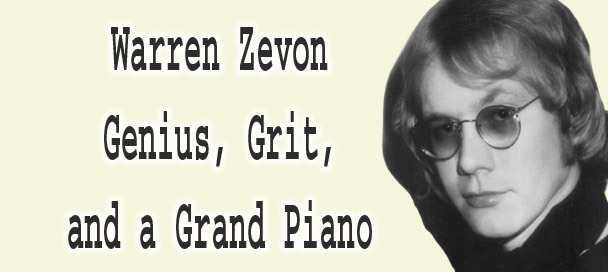
Warren Zevon was the songwriter other songwriters admired. Born January 24, 1947, in Chicago, he brought wit, grit, and danger to the singer-songwriter scene. He didn’t just tell stories—he snarled them. With a crooked grin and a cigarette voice, Zevon carved his own lane through the 1970s music world.
Warren Zevon (1947–2003) was an American singer-songwriter whose caustic wit and dark storytelling carved a singular path through the 1970s rock landscape. Born in Chicago, he fused classical piano studies under Igor Stravinsky’s influence with a gritty authenticity rooted in a childhood marked by his gangster-connected father. After years as a session musician and bandleader for the Everly Brothers, he broke solo with a Jackson Browne–produced debut in 1976, then scored a breakthrough with Excitable Boy (1978), featuring iconic tracks like “Werewolves of London” and “Lawyers, Guns and Money.”
His childhood was shaped by contrast. His father was a bookie with connections to organized crime. His mother worked at a gambling parlor. The family eventually moved to California, where Zevon studied classical piano and met Igor Stravinsky as a teenager. He had one foot in high culture and the other in trouble.
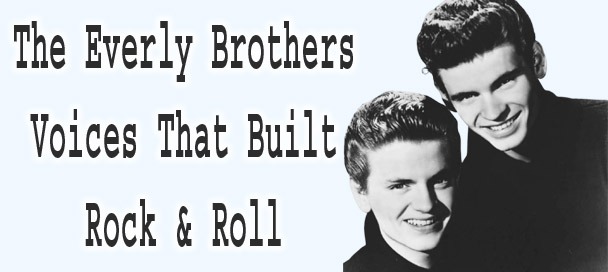
Warren Zevon worked as a session musician and songwriter before his solo career gained traction. He wrote jingles, backed other artists, and even toured with the Everly Brothers as their pianist and bandleader. But it was his self-titled 1976 album—produced by Jackson Browne—that finally gave him a spotlight of his own.
The breakout hit came in 1978: Excitable Boy, an album that walked a crooked line between comedy and carnage. With songs like “Werewolves of London” and “Lawyers, Guns and Money,” Zevon became known for his dark lyrics, cynical charm, and refusal to play by the rules. He wasn’t mainstream—but the mainstream noticed.
He channeled his mob-tied origins and classical training into songs that snapped like a punchline and left an unforgettable sting.
👶 Early Life
Warren Zevon was born in Chicago, but his story really began when his family moved west. They settled in Fresno, California, where the young Zevon started playing piano by ear. By the time he was a teenager, he was studying music seriously—so seriously, in fact, that he was granted time with composer Igor Stravinsky. It wasn’t a casual meeting. Zevon was already showing signs of genius.
His home life was anything but ordinary. His father, known in the underworld as “Stumpy” Zevon, was a professional gambler with mob ties. His mother, Beverly, worked in a dress shop and kept the house as stable as she could. The clash of music and mayhem would define Warren’s worldview.
He attended Fairfax High School in Los Angeles but wasn’t a model student. Warren Zevon had no patience for structure, and school held little appeal. He dropped out before graduation and threw himself fully into music, forming a folk duo called Lyme & Cybelle in the mid-1960s. It was his first brush with the industry.
Though the act didn’t last, it gave him a taste of studio life—and contacts that would come in handy later. Zevon began writing songs, hustling demos, and finding work wherever he could. The road wasn’t glamorous, but he was on it early, and he knew where he wanted it to lead.
Explore the Biographies of Iconic Music Stars
🎶 Music Career
Warren Zevon’s career didn’t start with fame—it started with survival. After his folk duo dissolved, he spent the late 1960s and early ’70s working behind the scenes. He wrote commercial jingles, played piano in recording sessions, and served as music director for the Everly Brothers’ touring band. It was hard work, but it paid off in connections—especially with artists like Phil Everly, Jackson Browne, and Lindsey Buckingham.
In 1976, Zevon released his self-titled major-label debut, produced by Jackson Browne and featuring a lineup of musical royalty. Members of Fleetwood Mac, the Eagles, and even Bonnie Raitt lent their talents. Linda Ronstadt famously covered several of his songs, helping Warren Zevon gain a wider audience. He wasn’t a pop star—but the stars knew his name.
His 1978 album Excitable Boy changed everything. It included “Werewolves of London,” “Roland the Headless Thompson Gunner,” and “Lawyers, Guns and Money”—songs that balanced absurdity with blood. The album went platinum. Warren Zevon had become a household name, at least in households that liked their music sharp, strange, and a little dangerous.
Through the 1980s and ’90s, Zevon kept recording and touring. He collaborated with R.E.M., appeared often on Late Night with David Letterman, and released critically praised albums like Sentimental Hygiene and Mr. Bad Example. He didn’t chase trends. He stuck to what he did best—writing songs that made you laugh, wince, and think all at once.
One time, before a show, his buddy Hunter S. Thompson hooked him up with some fancy guitar cables and even a real Taser stun gun, so Warren decided to wear the cables like jewelry on stage and zap things around just for fun, even though nobody really got the joke.
💿 Excitable Boy – Glow-In-The-Dark Vinyl Reissue
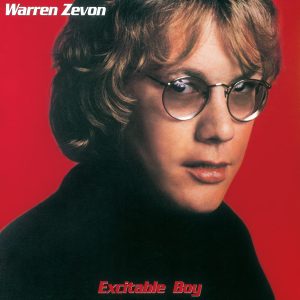
Warren Zevon’s breakthrough album is back—and this time, it glows. The 1978 cult classic Excitable Boy has been reissued on 140g glow-in-the-dark vinyl, offering a collectible twist on one of rock’s darkest gems.
Featuring unforgettable tracks like “Werewolves of London,” “Roland the Headless Thompson Gunner,” and “Lawyers, Guns and Money,” this album blends satire, savagery, and brilliance. It’s the record that made Zevon a legend—and now it lights up your turntable.
This limited-edition pressing won’t stick around. For collectors and true fans, this version of Excitable Boy is a must-have.
Includes original artwork and full remastering for enhanced sound.
🕊️ Later Years of Warren Zevon
Warren Zevon’s later years were marked by a mix of cult acclaim, quiet resilience, and eventual tragedy. In the 1990s, he continued releasing albums that stayed true to his style—biting, literate, and unfiltered. Mutineer and Life'll Kill Ya showed a songwriter still wrestling with mortality, politics, and his own vices, long before fate forced the issue.
Though he never returned to the commercial peak of Excitable Boy, Warren Zevon remained deeply respected by fellow musicians. He collaborated with members of R.E.M. in the side project Hindu Love Gods and maintained a close friendship with David Letterman, who often brought him on Late Night as both performer and guest. Letterman once called him "the best show guest we ever had."
In 2002, Zevon was diagnosed with inoperable mesothelioma. He refused treatment and chose instead to record one final album, The Wind, with the help of friends like Bruce Springsteen, Don Henley, Emmylou Harris, and Jackson Browne. The sessions were emotional, urgent, and fearless—just like the man at the mic.
Warren Zevon died on September 7, 2003, at the age of 56. His final months were documented with honesty and dark humor, and The Wind would go on to win a posthumous Grammy. Zevon left behind a catalog of songs that could make you laugh, cringe, cry—and sometimes all three at once.
🏆 Legacy
Warren Zevon never played it safe—and that became his legacy. He wasn’t interested in soft edges or polished personas. His lyrics were laced with irony, violence, and absurdity, yet somehow managed to hit emotional nerves that more polite songwriters never touched. Zevon didn't just write songs—he wrote warnings, confessions, and punchlines.
He earned admiration from artists across genres. Bruce Springsteen, Bob Dylan, Jackson Browne, and Tom Petty all praised his writing. David Letterman remained one of his most loyal champions, featuring him in an unforgettable week-long tribute shortly before Zevon’s death. He didn’t chart often, but his name carried weight where it mattered.
His music lives on through the people who know that a grin can hide a wound, and that tragedy can be told with a wink. Songs like “Desperados Under the Eaves” and “Keep Me in Your Heart” feel as fresh—and as bruised—as the day he wrote them. They still find new listeners who wonder how they missed him the first time around.
Zevon once joked that he wanted his tombstone to read “He’s all right now.” What he got instead was something better: respect. Not from the tabloids or the mainstream charts, but from people who value craft, courage, and a well-placed growl.
🗣️ Why They Still Matter
Warren Zevon remains a rare figure who married literary ambition with rock’s wild heart—never polished, never tame. He dared to let the cynical and the vulnerable coexist, and in doing so, he left music that still prowls at the edges of convention. His songs are vivid, unpredictable, and alive.
Further Reading & Resources
📖 Read: Excitable Boy – Glow-in-the-Dark Vinyl Edition
🔍 Explore: Warren Zevon Biography